Dear Readers,
we want to wish all of you a very happy, peaceful and healthy year, where we all will keep working together to make the circular bioeconomy happen.
Dear Readers,
we want to wish all of you a very happy, peaceful and healthy year, where we all will keep working together to make the circular bioeconomy happen.
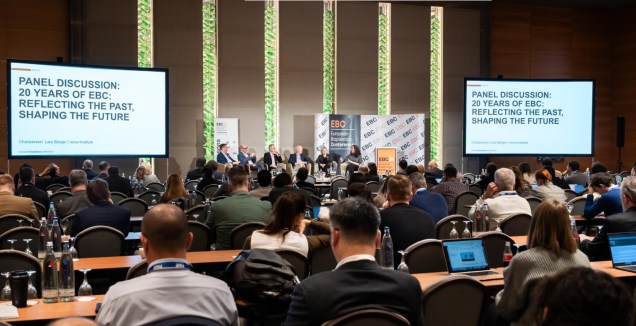
European Bioplastics (EUBP) unveiled its Bioplastics Market Development Update 2025 at EBC25 in Berlin, presenting new data that confirms the continued global expansion of biobased plastics production and their growing role in the transition to a sustainable, circular economy.
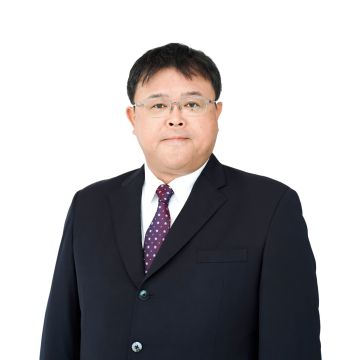
Takashi Matsumoto, Business Director at AGC Vinythai, talks toIl Bioeconomista. In this exclusive interview with us Mr Matsumoto talks about his company and the future development of bioeconomy in Thailand. “Climate action is urgent in Thailand as we are already living with the effects of climate change including flash floods, heavy rain and extreme temperatures, also in rainy season.“
Interview by Mario Bonaccorso
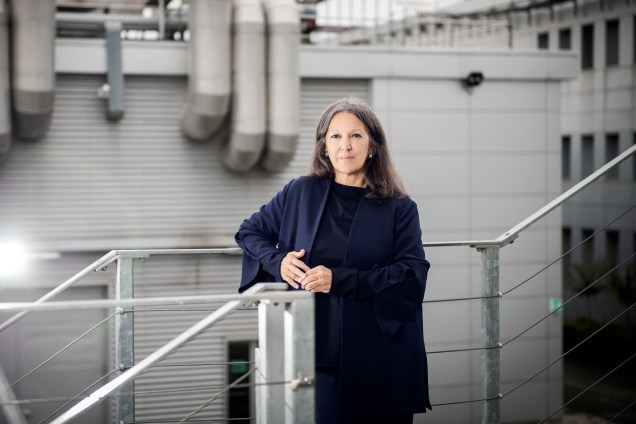
Catia Bastioli, President of Italian Circular Bioeconomy Cluster Spring, talks to Il Bioeconomista. In this exclusive interview with us, she talks about the new EU Bioeconomy Strategy, after its official launch yesterday in Copenhagen organized by the EU Commission and the Danish Presidency of the EU. “The new Strategy – she says – both in its content and in the context in which it is presented, could be a significant instrument for relaunching European competitiveness, viewing environmental sustainability as a driver of competitiveness.”
According to Bastioli, “the delays accumulated so far are causing Europe to lose its leadership to China and the United States, which have already defined clear strategies for the future of their bio-based manufacturing sectors, following the path originally traced by the EU. There can be no prosperous future without a clear strategic evolution for Europe and without full recognition of the extraordinary value of its territories and their diversity, which form the foundation of the bioeconomy”.
Interview by Felice Amori
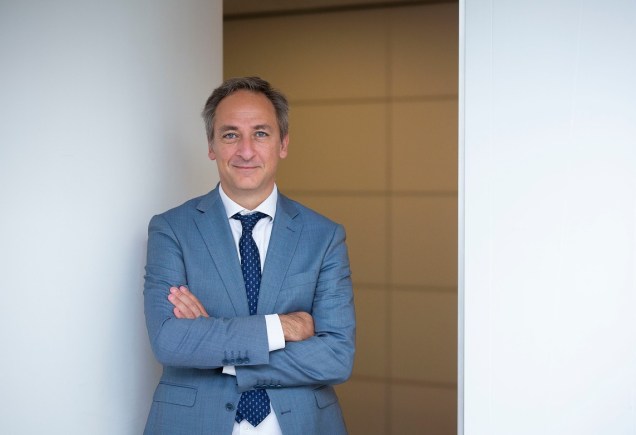
Nicolò Giacomuzzi-Moore, Executive Director at CBE JU, talks to Il Bioeconomista. In this exclusive interview, released just after the presentation of the new EU Bioeconomy Strategy, he talks about the Communication launched by the Berlaymont and the next steps that are needed to make the bioeconomy happen: “We have no time to waste if we want to mantain the leadership in the circular bioeconomy, because our competitors are moving fast and often do not play by the rules”.
Interview by Mario Bonaccorso
Today, the Commission adopted a new Strategic Framework for a Competitive and Sustainable EU Bioeconomy, charting a way forward to build a clean, competitive and resilient European economy. By using renewable biological resources from land and sea and providing alternatives to critical raw materials, the EU will move forward towards a more circular and decarbonised economy and can decrease dependence on fossil imports.
Below are remarks from UN Climate Change Executive Secretary Simon Stiell, during the closing plenaries of COP30 in Belém, Brazil, on Saturday 22 November 2025.
There is a new English partnership in the bioeconomy. York and North Yorkshire Combined Authority, Tees Valley Combined Authority, the University of York, Teesside University, and CPI, signed a partnership which aims to create around 5,000 skilled jobs across the two regions. The partnership will bring together universities, businesses and local government to drive innovation in sustainable materials and chemicals, helping to cut emissions and reduce reliance on fossil fuels.
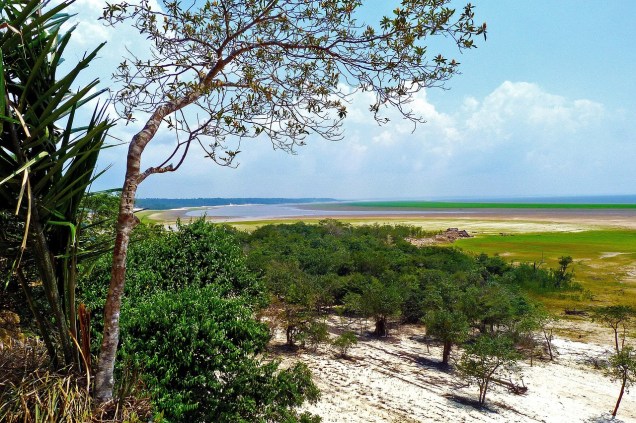
On the sidelines of COP30, government representatives and industry leaders yesterday launched the Biofuture Platform Declaration on Sustainable Chemicals and Materials, a landmark international statement to accelerate the transition from fossil carbon to sustainable carbon feedstocks in the global chemical industry.
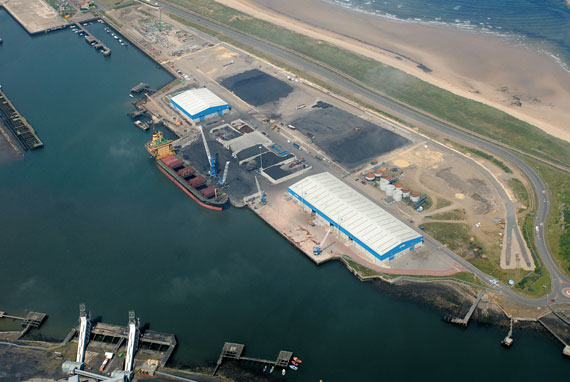
The European Bioeconomy Alliance (EUBA) released a new expert paper by the nova-Institute, titled “Benefits of Using First-Generation Biomass for Food, Fuels, Chemicals and Derived Materials in Europe: Science-based Argumentation Paper.” According to EUBA, the research confirms that using first-generation agricultural biomass – such as cereals, sugar, and oilseed crops – to produce bio-based energy and materials delivers significant benefits for food security, biodiversity, agriculture and climate change mitigation across Europe.

