
It’s a bad time for the bioenergies companies in UK. Due to the difficult market conditions, CropEnergies will pause production in its plant in Wilton, North East England, operated by Ensus from the end of November 2018 on.
It’s a bad time for the bioenergies companies in UK. Due to the difficult market conditions, CropEnergies will pause production in its plant in Wilton, North East England, operated by Ensus from the end of November 2018 on.

Nouryon (formerly AkzoNobel Specialty Chemicals), Tata Steel and the Port of Amsterdam have joined together to study the feasibility of a large green hydrogen cluster in the Amsterdam region. The three parties consider green hydrogen as vital for reaching climate targets and building a more circular economy, for example by combining it with emissions from steel manufacture to make new products.
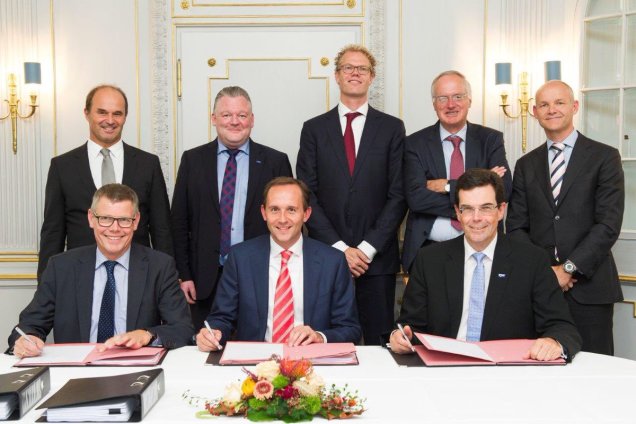
“Avantium is a big story in the bioeconomy, but the relationships with big companies as investors are not easy”. To say it at the Sustainable & Circular Bioeconomy Conference in Brussels on October 22 was Jos Peeters, managing partner, founder and director of Capricorn Venture. Indeed, Avantium and BASF are in a dispute about the future of their Synvina joint venture. The companies disagree on the timing for the fulfilment of the criteria to invest in the commercial-scale plant for FDCA (furandicarboxylic acid).
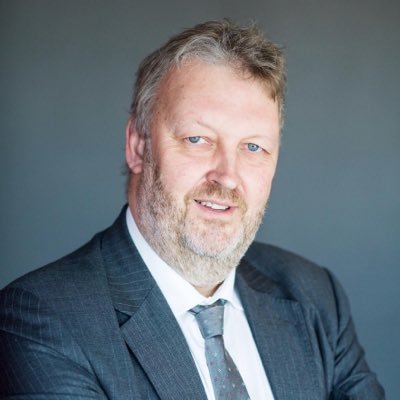
“The Bio-based industry grows really strong in confidence. In just a few years, it moved mountains by creating new value chains. This means new partnerships between sectors that never worked together before”. Dirk Carrez, executive director of BIC, which represents the private sector in a Public-Private Partnership (PPP) with the European Commission, also known as the Bio-based Industries Joint Undertaking (BBI JU), talks to Il Bioeconomista. In this long interview with us he talks about the main achievements of the bio-based industry in Europe and its new vision 2050. “Only with a renewed BBI JU will we be able to effectively work towards realising the Circular Bio-Society”, he says.
Interview by Mario Bonaccorso

Italian bioplastics company Bio-on signed today an agreement with the Russian TAIF JSC group, which will acquire a license to build the Russian Federation’s first plant producing 100% natural and biodegradable PHAs bioplastic, in the Republic of Tatarstan.

“You know, the name of our company is Italian. Anello (ring in English) wants to mean the circularity, but also the bond as it is represented by the wedding ring”.
It is very pleasant to talk with David Sudolsky, one of the entrepreneurs who is making the bioeconomy happen at global level. He co-founded Anellotech in 2008, secured the initial angel funding for the company, recruited the management team and scientific advisory board, and is leading the expansion of the company.
The company based in New York develops a technology platform for producing petrochemicals and transportation fuels from renewable non-food biomass.
Interview by Mario Bonaccorso
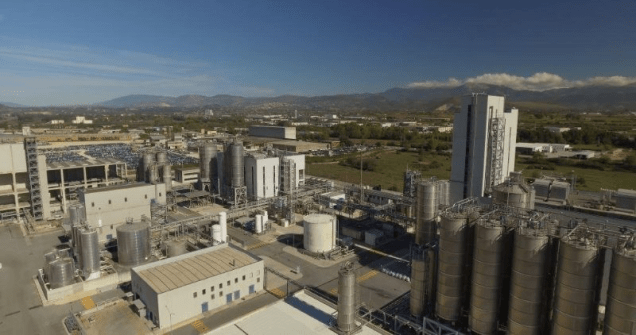
Mater Bipolymer, a 100% company owned by Novamont, today celebrates its Grand Opening in Patrica (Frosinone, Central Italy). The plant represents a new important element of Novamont’s bioeconomy model. “Another virtuous example of territorial regeneration of industrial infrastructures that are no longer competitive”, the company headquartered in Novara claims.

“We need to put emphasis in ensuring that the areas and actions identified in the new Bioeconomy Strategy are strategically integrated in other European policies and Programmes to ensure coherence, scale and synergies; CAP; Industrial Policy, European Investment Bank portfolio, Strategic Partnership for the Implementation of the Paris Agreement, etc.” To say it – in this exclusive interview with Il Bioeconomista – is Marc Palahí, director at the European Forest Institute. He talks with us, on his way to China, just after the publication of the updated EU bioeconomy strategy.
Interview by Mario Bonaccorso
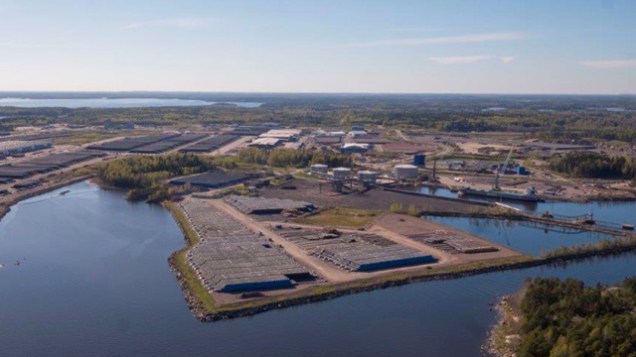
The Environmental Impact Assessment (EIA) for UPM’s possible Kotka Biorefinery in Finland has been completed and given to the authorities for their final conclusions. The UPM Kotka Biorefinery would produce approximately 500,000 tonnes of advanced biofuels made from sustainable raw materials for use in the road transport, marine and aviation sectors. The biorefinery’s products could also be used for replacing fossil raw materials in the chemical industry.

The European Commission launched today the updated Bioeconomy Strategy “A sustainable Bioeconomy for Europe. Strengthening the connection between economy, society and the environment”.
 IL BIOECONOMISTA