 “The bioeconomy is a relatively new sector and so one could hope it is not yet ‘contaminated’ with the prejudices. In a way, it is a perfect territory for women to conquer and showcase the plethora of their skills.” To say it – in this exclusive interview with Il Bioeconomista – is Iris Aquilina Anderson, leader of the Bioladies Network. Iris has 35 years of policy, business and research experience specialising in the bioeconomy, agriculture, energy and sustainability issues. She is an evaluator for BBI JU and H2020 and is currently the First Ambassador of BBIA, a trade association promoting the bioeconomy in the UK and a Committee member of the Natural Materials Association, part of IOM3.
Interview by Mario Bonaccorso
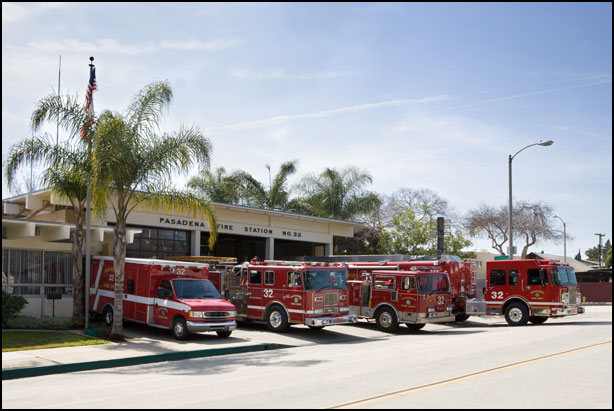 The Pasadena Fire Department, a California city northeast of Los Angeles, switched much of its fleet of apparatus from operating on petroleum diesel to using Neste MY Renewable Diesel, produced by the Finnish company Neste. The department plans to transition all its fleet apparatus to renewable diesel by 2019.

 Around 700 high-ranking representatives from politics, science, civil society and the business sector and from more than 70 countries met in Berlin, Germany, from 19 to 20 April to discuss the latest developments and challenges in the global bioeconomy. This was the second time that German Bioeconomy Council had organized the Global Bioeconomy Summit in the German capital. “We created an event format in the Global Bioeconomy Summit that succeeds in bringing together broad international expertise on bioeconomy, innovation, biodiversity and sustainability.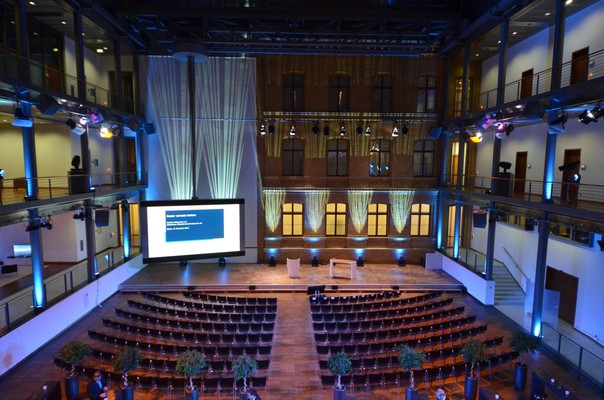
 With the Food is Precious initiative IKEA aims to cut food waste by 50% in all IKEA stores by August 2020. A little more than a year since the roll out of the initiative IKEA has diminished food waste that is equivalent to one million meals.To put that into a context; one million meals could feed one thousand people for a whole year.
 IL BIOECONOMISTA