
The second edition of the Bioeconomy Investment Summit will take place on 14-15 December in Helsinki, Finland, organized by the European Commission and the European Forest Institute. Over 30 speakers from across the globe will share their views on how we can bring together the economy and the environment. “New advances in technology – the organizers say – mean that everything that can be made out of oil can be made from renewable, biological resources. There are huge environmental and business opportunities for a wide range of industries: construction, chemicals, textiles, energy, plastics”.
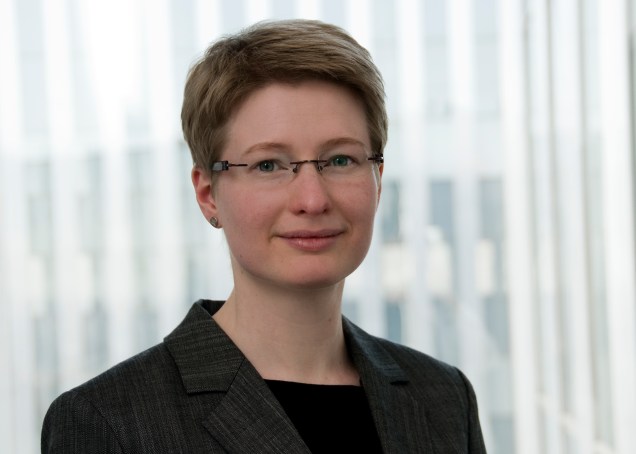 “Clusters can set an environment for investment and implementation. They can bring the right people together and help to identify both hurdles and how to overcome them, for example by scouting technologies or helping to find access to funding”. To say it – in this long and exclusive interview with Il Bioeconomista – is Tatjana Schwabe, scientific advisor at CLIB2021, the German cluster of industrial biotechnology based in Düsseldorf. With Schwabe with talk about the role of clusters in supporting the European bioeconomy.


 ExxonMobil, the largest publicly traded petroleum and petrochemical enterprise in the world, and Synthetic Genomics Inc., a global leader in the fields of synthetic biology and synthetic genomics, achieved a breakthrough in joint research into advanced biofuels involving the modification of an algae strain that more than doubled its oil content without significantly inhibiting the strain’s growth.
 IL BIOECONOMISTA