“It is great recognition of where Leaf has got to in the bioeconomy in a very short space of time. It is also recognition of our compelling technology.” Ken Richards, CEO of Leaf Resources, who has been voted by our readers as the most innovative bioeconomy CEO 2016, talks to Il Bioeconomista.
In this interview Richards talks about the achievements of its company, its team and the Australian bioeconomy.
The South African Department of Agriculture, Forestry and Fisheries has approved four NexSteppe sorghum hybrids for commercial sale in country. Approved hybrids include both Malibu sweet sorghum and Palo Alto biomass sorghum hybrids. NexSteppe is a US company dedicated to pioneering the next generation of scalable, reliable, cost-effective and sustainable feedstock solutions for the biofuels, biopower, biogas and biobased products industries.
Pilot glasshouse for algae production, Budapest Sewage Works LtdWe received and publish with pleasure this contribution by a project consortium coordinated by Miklós Gyalai-Korpos at PANNON Pro Innovations Ltd. about a project that develops protocol and operational strategy for efficient algae cultivation in wastewater treatment using the leachate of sludge dewatering and flue gas.
Our readers have voted Ken Richards as the most innovative bioeconomy CEO 2016
Our readers have voted: the most innovative bioeconomy CEO 2016 is Ken Richards, CEO of Leaf Resources, the Australian company focused on making sustainable products from plant biomass.
We heartily congratulate him on this important recognition and sincerely thank our readers for the great participation in the survey. Our blog has seen a boom of visits in these two days. The bioeconomy revolution is a reality thanks to visionary managers like Ken Richards, the other nine selected along with Richards in the list of the 10 most innovative bioeconomy CEOs and to all those who in different roles contribute to research, develop and commercialize new bio-based products.
The bioeconomy is innovation, the result of the skills and passion of researchers and managers able to create value and new high-qualified jobs. At the end of 2014 Il Bioeconomista launched a new initiative: The 10 Most Innovative Bioeconomy CEOs.
We have asked a panel of world bioeconomy experts to tell us the Chief Executive Officers that have stood out as the most innovative during the last year. This year we want to engage our readers, asking you to choose the most innovative CEO responding to our survey.
This is the result in 2016 (in alphabetical order)
Tetra Pak launched a new version of Tetra Brik® Aseptic 1000 Edge with Bio-based LightCap 30. This is the first aseptic carton package in the world to receive the highest class of Vinçotte certification for its use of renewable materials.
Leaf Resources, the Australian company which is focused on making sustainable products from plant biomass, today announced a collaboration with Novozymes, the world’s largest producer of industrial enzymes, to further increase the yields and efficiency associated with Leaf Resources’ innovative biomass conversion technology, Glycell, which is a unique combination of well-established process engineering and advanced chemistry.
Christophe Schilling, CEO of Genomatica, at the Grand Opening of Mater Biotech’s plant in Bottrighe di Adria, Italy
“Biotech is becoming increasingly important to the mainstream chemical industry as the demand for more sustainable solutions intensifies. Biotech is especially well-suited to help with some of the industry’s biggest challenges”. To say it – in this exclusive interview with Il Bioeconomista – is Christophe Schilling, founder and CEO of Genomatica, a widely-recognized bioengineering leader for the chemical industry. The San Diego-based biotechnology company develops and licenses bio-based manufacturing processes for the production of intermediate and basic chemicals.
Since being named CEO in May 2009, Christophe Schilling has led Genomatica to widespread recognition as a leader in industrial biotechnology, with a commercialized first process, top-tier licensees, strong investors and an unrivaled string of awards for engineering (Kirkpatrick), science (EPA Presidential Green Chemistry), industry leadership (voted #1 Hottest three years in a row by Biofuels Digest), and company culture (The Scientist as a Best Place to Work). Schilling frequently speaks on industry trends at major conferences and serves as a member of the World Economic Forum Global Agenda Council on Biotechnology.
Bioeconomy every day @ BioBased World 2015 in Frankfurt am Main
There is nothing more difficult to take in hand, more perilous to conduct, or more uncertain in its success, than to take the lead in the introduction of a new order of things.
Perstorp, a world leading specialty chemicals group headquartered in Sweden, has initiated a campaign called “Time to act” where they are launching “The Challenge”, a quiz with the aim to spread knowledge. For each person joining, Perstorp will make a donation to preserve our planet. The initiative is in line with Perstorp’s focus on sustainability and its aim to offer sustainable solutions. The motto is: No-one can do everything but everyone can do something!
 “It is great recognition of where Leaf has got to in the bioeconomy in a very short space of time. It is also recognition of our compelling technology.” Ken Richards, CEO of Leaf Resources, who has been voted by our readers as the most innovative bioeconomy CEO 2016, talks to Il Bioeconomista.


 The bioeconomy is innovation, the result of the skills and passion of researchers and managers able to create value and new high-qualified jobs. At the end of 2014 Il Bioeconomista launched a new initiative: The 10 Most Innovative Bioeconomy CEOs.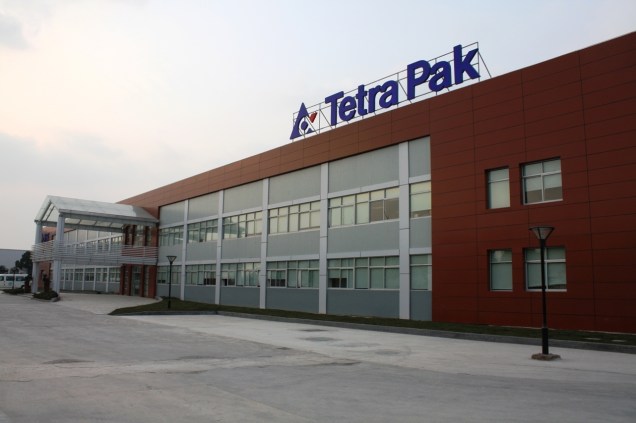


 IL BIOECONOMISTA