Renewables are the key to energy security, said the Intergovernmental Panel on Climate Change (IPCC) Working Group III report released last Monday. Countries that have adopted low carbon policies are already seeing a drop in emissions.
Renewables are the key to energy security, said the Intergovernmental Panel on Climate Change (IPCC) Working Group III report released last Monday. Countries that have adopted low carbon policies are already seeing a drop in emissions.

The Commission presented last week a package of European Green Deal proposals to make sustainable products the norm in the EU, boost circular business models and empower consumers for the green transition. As announced in the Circular Economy Action Plan, the Commission is proposing new rules to make almost all physical goods on the EU market more friendly to the environment, circular, and energy efficient throughout their whole lifecycle from the design phase through to daily use, repurposing and end-of-life.
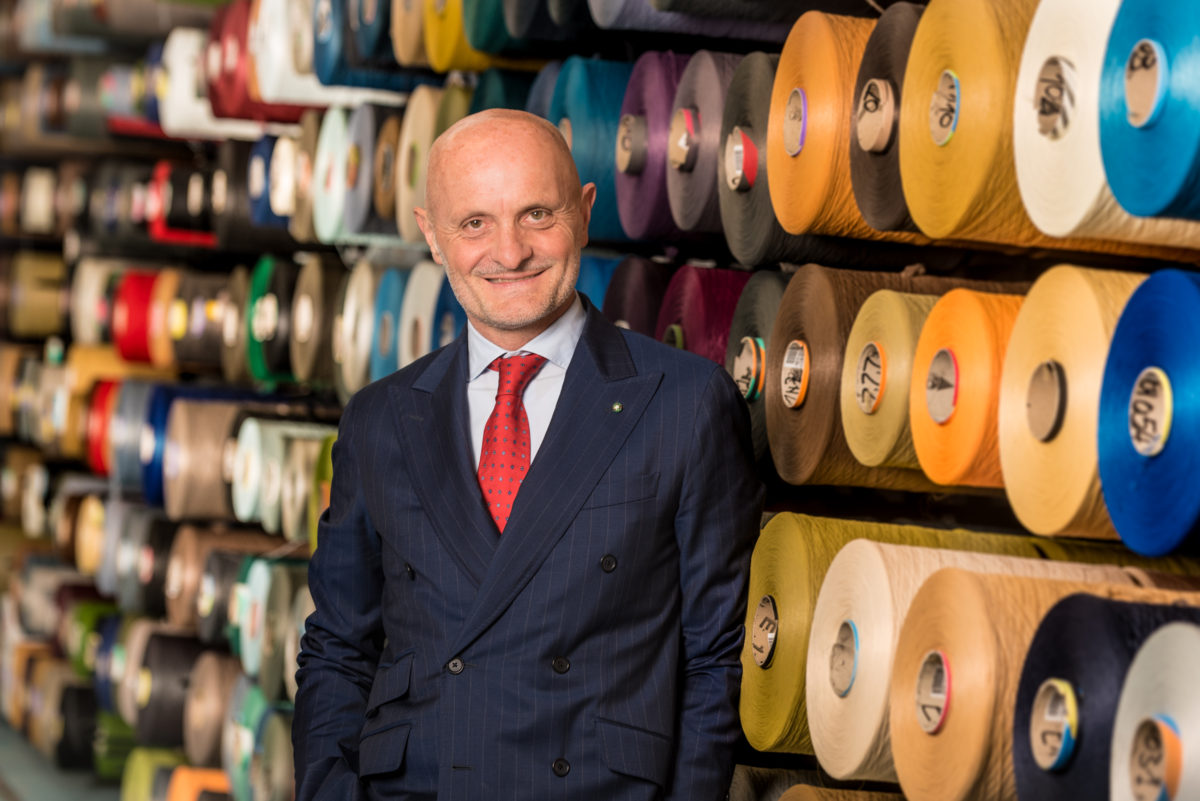
Aquafil, the creator of the branded ECONYL® regenerated nylon and pioneer in the circular economy, and ITOCHU Corporation (headquartered in Minato-ku, Tokyo) entered into a non-exclusive business alliance agreement to promote and expand the nylon circular business.

UPM has published a new Forest Action Programme, which will run until 2030. The global programme steers UPM’s global wood sourcing operations and covers its own forests in Finland and the United States as well as its plantations in Uruguay. The programme goes beyond current standard requirements and its measures have a positive impact on the fundamental aspects of sustainable forestry: climate, biodiversity, soil, water and societal contribution.

Mogu Srl, the Italian material innovation company that commercializes bio-fabricated and circular products for interior architecture and green building, launched EPHEA™️. The market launch took place last Sunday as part of Balenciaga’s Winter 2022 runway show, at Paris Fashion Week, during which the brand presented an unprecedented floor-length coat realised with EPHEA™️.

John Bell is the Healthy Planet Director in DG Research and Innovation (R&I). He leads R&I transitions on climate change, bioeconomy, food systems, environment, biodiversity, oceans, Arctic, circular economy, water and bio-based innovations. This includes harnessing investments for Horizon Europe, the Circular Bioeconomy and the EU Bioeconomy Strategy. In this exclusive interview with Il Bioeconomista, he talks about the bioeconomy strategy 10 years after its first launch and the ecological transition at EU level.
Interview by Mario Bonaccorso

According to the International Labour Organization (ILO), around the world finding a job is much tougher for women than it is for men. When women are employed, they tend to work in low-quality jobs in vulnerable conditions and there is little improvement forecast in the near future. The current global labour force participation rate for women is close to 46% (for men it is 71%, according to the International Labour Organization). The freedom to work – by choice, in conditions of dignity, safety and fairness – is integral to human welfare.
The Bioeconomy is led by women. This year, as every year, for the International Women’s Day, we dedicate a tribute to all women who are making the bioeconomy happen all around the world. With their huge competences and their infinite passion, they are the stars of the world bioeconomy. Our best and warmest wishes to all women.
This is just a partial list:

Chevron Corporation and Renewable Energy Group, Inc. announced yesterday a definitive agreement under which Chevron will acquire the outstanding shares of REG in an all-cash transaction valued at $3.15 billion, or $61.50 per share. The acquisition combines REG’s growing renewable fuels production and leading feedstock capabilities with Chevron’s large manufacturing, distribution and commercial marketing position.
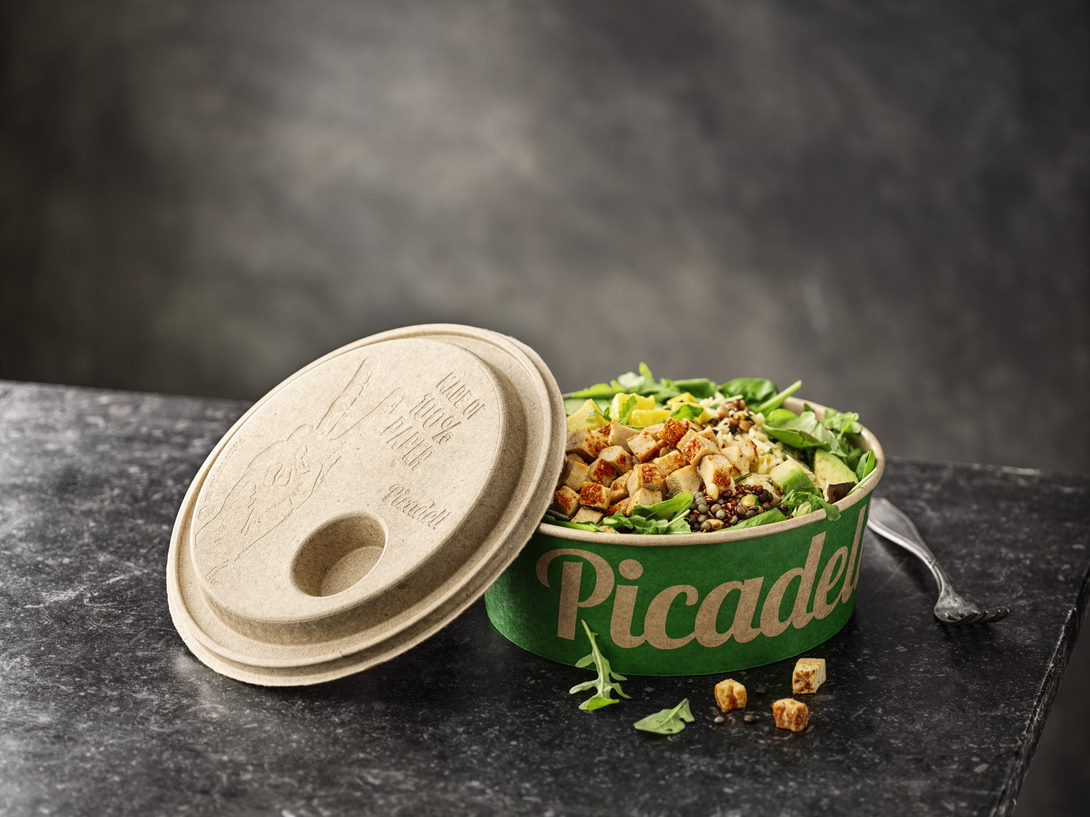
Stora Enso and Picadeli, Europe’s leading take-away salad bar company, are introducing renewable formed fiber lids to replace single-use plastics in take-away packaging. The lids are made of PureFiber™ by Stora Enso, and they are plastic-free, recyclable, and biodegradable. The innovation will help Picadeli reduce approximately 120 tonnes of plastic waste annually.

“The science is very clear that it’s impossible to meet our climate targets without reducing animal agriculture. A study led by Oxford University found that – even if fossil fuel emissions were eliminated immediately – the world cannot meet its Paris Agreement targets without shifting away from conventional animal agriculture. Plant-based and cultivated meat let people keep eating the steaks, sausages and meatballs they love with a fraction of the environmental impact, and they free up space for more sustainable farming practices.” To say it – in this interview with Il Bioeconomista – is Alex Holst, senior policy manager at the Good Food Institute Europe. He talks about the role of plant-based and cultivated meat in limiting our impact on climate change.
Interview by Mario Bonaccorso

