Carlsberg Group and Dutch biochemical company Avantium agreed to take the next step in the commercialisation of PEF. The Danish Group signed a conditional offtake agreement with Avantium to secure a fixed volume of the 100% plant-based, recyclable and high-performance polymer PEF (polyethylene furanoate) from Avantium’s FDCA Flagship Plant, which Avantium aims to start-up in 2024. Carlsberg will use the PEF resin for various packaging applications, including its Fibre Bottle – the bio-based and fully recyclable beer bottle.
Mathieu Flamini, CEO GFBiochemicals. He played as a midfielder for Olympique de Marseille, Arsenal FC, AC Milan, Crystal Palace FC and Getafe Club de Fútbol. Picture: courtesy of Flamini
I met Mathieu Flamini in Milano during the Design Week. Milano is vibrant again after the dark years of the pandemic. AC Milan won the championship, eleven years after the last success of which Mathieu was one of the architects. We do not talk about football, also because I cheer for the other team based in Milano. I am totally black and blue and I can’t share his joy for the AC Milan’s Scudetto. We talk about the bioeconomy, starting from his new role as CEO of GFBiochemicals, which he is enthusiastic about. Mathieu is a friend, so I immediately declare that this is a somewhat unusual interview. With Mathieu we talk about the need to accelerate on the path of the paradigm shift that leads us from fossils to the use of renewable biological sources, the importance of communicating the damages produced by industrial activity on the environment in order to promote sustainable solutions, the role of the sport’s world in a campaign that highlights the contradictions of a development model based on profit at all costs and the waste of resources.
Suzano, the world’s largest hardwood pulp producer and a global reference in developing sustainable and innovative solutions from renewable sources, launched Suzano Ventures, a global corporate venture capital initiative. It will invest US$70 million in a range of businesses with the potential to revolutionize their sector and beyond, by addressing some of the world’s most pressing environmental challenges. The initiative will focus on companies operating within at least one of four bioeconomy applications: improving the measurement and management of carbon sequestration, accelerating and maximizing agroforestry yield, developing new technologies and applications for pulp biomass, and creating more efficient pulp packaging from renewable sources.
A consortium, including LanzaTech and Danone, led to the discovery of a new route to monoethylene glycol, (MEG), which is a key building block for polyethylene terephthalate, (PET), resin, fibers and bottles. The technology converts carbon emissions from steel mills or gasified waste biomass directly into MEG. The carbon capture technology uses a proprietary engineered bacterium to convert carbon emissions directly into MEG through fermentation, bypassing the need for an ethanol intermediate, and simplifying the MEG supply chain. The direct production of MEG was proven at laboratory scale and the presence of MEG was confirmed by two external laboratories.
Coldplay is partnering up with Neste to take steps towards the band’s target of reducing CO2 emissions from the Music Of The Spheres World Tour by 50% compared to the band’s previous world tour. Neste will provide Coldplay with sustainable aviation fuel (SAF) to help reduce emissions from air travels, while the company’s renewable diesel will help cut emissions from the band’s tour transports and stage power generation.
Royal DSM, a global purpose-led science-based company, the United Nations’ children’s agency UNICEF, and Swiss-based nutrition think tank and incubator Sight and Life have renewed their long-term partnership to deliver better nutrition for at-risk groups in countries in Sub-Saharan Africa and Asia. The partners also aim to expand their work to Latin America for the first time.
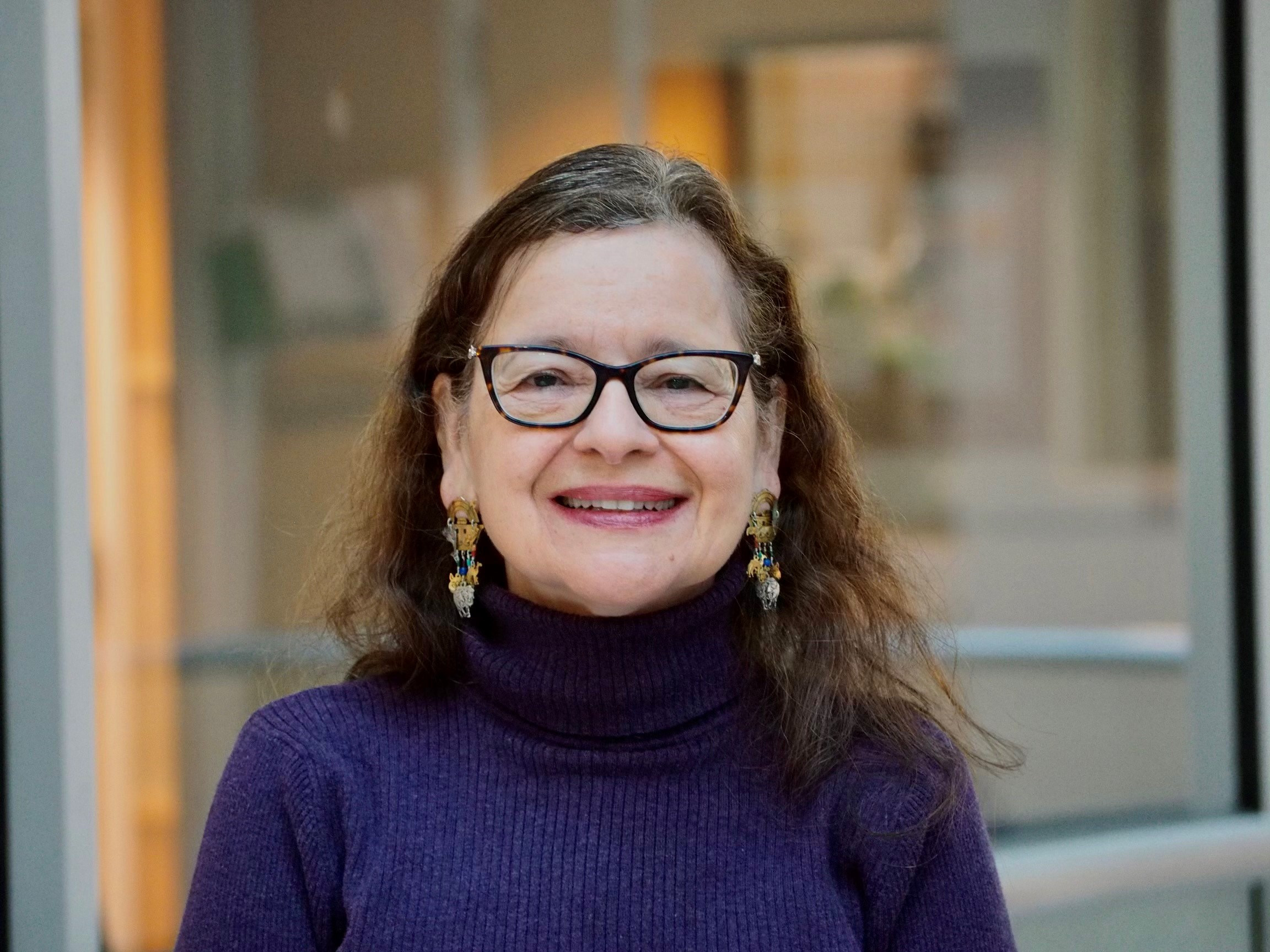
Prof. Dr. Iris Lewandowski. Courtesy of University of Hohenheim
Iris Lewandowski is one of the leading people of the European bioeconomy. In July 2018, she was appointed Chief Bioeconomy Officer (CBO) of the University of Hohenheim. Presently, she is Scientific Speaker of the European Bioeconomy University (EBU), an alliance of six leading European Universities in the field of the knowledge-based bioeconomy, dedicated to cooperation in bioeconomy education, research and knowledge transfer. She is also co-chair of the German Bioeconomy Council and co-chair of the Baden-Württemberg federal government’s advisory board “Sustainable Bioeconomy”. In this interview with Il Bioeconomista she talks about bioeconomy at German and European level and about the BBI JU demo project GRACE, which she is coordinating.
Biome Bioplastics and Suregreen begun large scale UK-wide field testing and initial commercial sales of their novel biodegradable tree shelters. The development of these biodegradable tree shelters aims to tackle one of the forestry industry’s plastic pollution challenges and support the UK’s afforestation efforts to reach carbon neutrality by 2050. To achieve its carbon neutrality targets by 2050, the UK government pledged to more than double tree planting rates, with an ultimate target of 30,000 hectares per year, equivalent to 90-120 million trees planted. Yet, while tree shelters are essential to protect saplings and help them grow safely, they are not collected at the end of their lifetime, already leading to an estimated 2,500 tonnes of plastic ending up annually in the natural environment after use.
Manchester United is achieving cleaner operations after deploying EnDura Fuels from Renewable Energy Group, Inc. into their groundskeeping equipment. After more than 100 years of utilizing petroleum diesel in their equipment, Manchester United is taking their next step to help create a cleaner world. Renewable Energy Group and Manchester United announced their global partnership in the summer of 2021 after Manchester United sought out a partner that would help them with their sustainability goals.
Il Bioeconomista is the First Bioeconomy Blog but is also the best blog on the bioeconomy at global level. This is the result of an analysis done by Feedspot, which has a team of over 50 experts whose goal is to discover, rank and categorise popular blogs and podcasts.