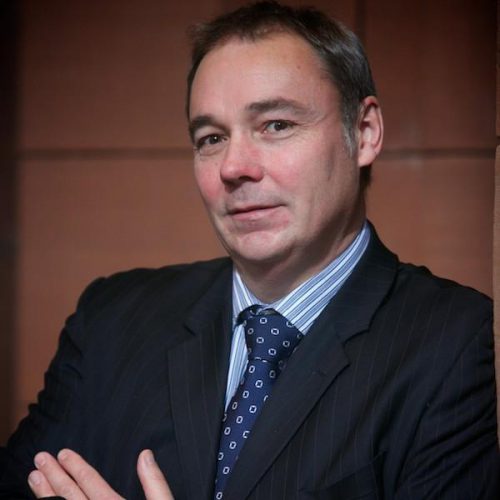
“It is great recognition of where Leaf has got to in the bioeconomy in a very short space of time. It is also recognition of our compelling technology.” Ken Richards, CEO of Leaf Resources, who has been voted by our readers as the most innovative bioeconomy CEO 2016, talks to Il Bioeconomista.
In this interview Richards talks about the achievements of its company, its team and the Australian bioeconomy.
Interview by Mario Bonaccorso

 The bioeconomy is innovation, the result of the skills and passion of researchers and managers able to create value and new high-qualified jobs. At the end of 2014 Il Bioeconomista launched a new initiative: The 10 Most Innovative Bioeconomy CEOs.
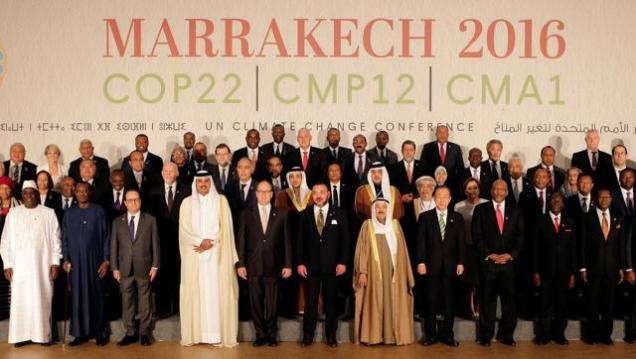 Yesterday, at COP22, in Marrakech (Morocco), a coalition of leading countries in the clean energy and the bioeconomy fields announced the launching of the Biofuture Platform, a new collective effort to accelerate development and scale up deployment of modern sustainable low-carbon alternatives to fossil based solutions in transport fuels, industrial processes, chemicals, plastics and other sectors.
 Biossance™, the consumer beauty brand from Amyris, Inc., the US integrated renewable products company, announced its planned launch in Sephora’s retail stores where the brand’s expansive line of high-performance skin care products will be available to consumers. The rollout to initial participating stores will begin in February 2017 and coincide with launching on Sephora online. Additional in-store and online marketing activities with Sephora to highlight the Biossance brand shortly following launch are planned.