UPM Timber has launched a carbon storage calculator on its website. With the carbon storage calculator, wood industry professionals, UPM Timber’s customers and consumers can easily calculate the amount of carbon sequestered in wood raw material and examine its climate impacts.
Metsä Group has completed a new Life Cycle Assessment (LCA) of its Kuura textile fibre. The assessment shows that Kuura’s global warming potential (GWP100, fossil) score is less than one-third of the next best option, viscose. The Kuura project is currently in a demonstration phase. The new textile fibre is being developed by Metsä Group’s innovation company Metsä Spring. The LCA was made by Etteplan. The LCA study and comparison to alternative cellulosic fibres were critically reviewed by RISE Research Institutes of Sweden.
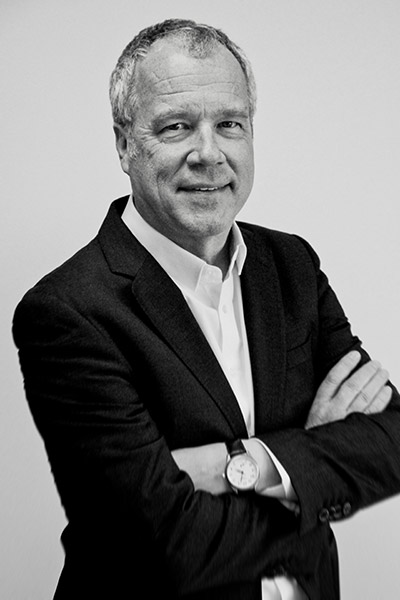
“Currently, there are policy frameworks for food, feed and bioenergy, but not for bio-based chemicals and derived materials. This gap puts the bio-based chemicals and derived materials sector at a disadvantage, and has also an impact on investments in Europe.”. Dirk Carrez, executive director of BIC (Biobased Industries Consortium) talks to Il Bioeconomista.
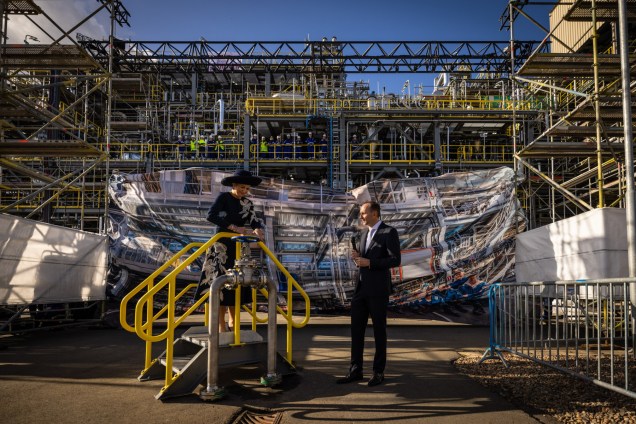
CEO Tom Van Aken and Her Majesty Queen Maxima. Source: Avantium
Avantium N.V., a leading company in renewable and circular polymer materials, signed a joint development agreement with Amcor Rigid Packaging USA, a leader in responsible packaging solutions. This partnership aims to explore the use of Avantium’s plant-based polymer PEF – branded as releaf® – in rigid containers for various products, including food, beverage, pharmaceutical, medical, home, and personal care.
“For me and Futerro, innovation in the bioeconomy is all about reinvention and transition. It’s about finding alternative solutions that weave sustainability, circularity, and ecological resilience into the very core of what we do.” To say it – in this exclusive interview with Il Bioeconomista – is Frederic Van Gansberghe, CEO of Futerro and the Most Innovative Bioeconomy CEO 2024.
According to him, “there is a clear gap between Europe’s ambitions and reality. Many industrial players usually ask to reduce the number of regulations and directives; in my case, I would request to increase their quality”
The Repsol’s Board of Directors has officially approved the Final Investment Decision (FID) for the Ecoplanta project, marking a significant milestone in the drive for the supply of sustainable fuel and product.
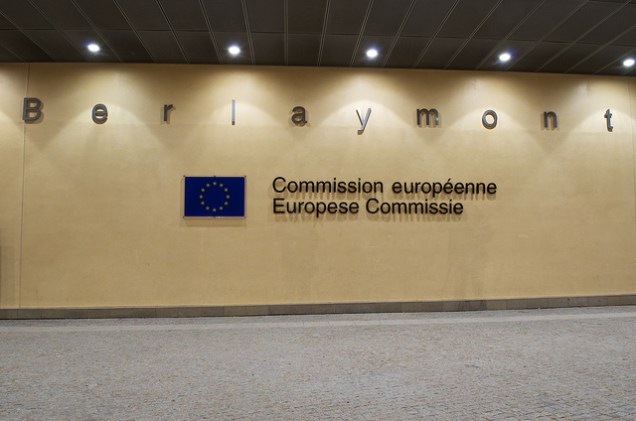
Berlaymont, European Commission’s Headquarter in Brussels
Yesterday, the EU Commission presented the Competitiveness Compass, the first major initiative of this mandate providing a strategic and clear framework to steer the Commission’s work. The Compass sets a path for Europe to become the place where future technologies, services, and clean products are invented, manufactured, and put on the market, while being the first continent to become climate neutral.
Enilive commissioned its first plant to produce Sustainable Aviation Fuel (SAF) at the Gela biorefinery, in Sicily. Production has started at the plant, which has a capacity of 400,000 tonnes per year, representing almost a third of the expected European SAF demand in 2025 (Source: Wood Mackanzie), following the implementation of the ReFuelEU Aviation regulation.
The European Institute of Innovation & Technology (EIT) opened its call to build a new sustainable innovation partnership to strengthen Europe’s water, marine and maritime sectors and ecosystems. The Call for Proposals invites consortia of organisations and industry leaders bringing together water-related education, research and business to put forward their vision and strategy for EIT Water. The EIT is an integral part of Horizon Europe, the EU’s research and innovation framework programme.
Neste and Bayer, a global enterprise with core competencies in the life science fields of health care and agriculture, signed a memorandum of understanding aimed at developing a winter canola ecosystem in the U.S, including identifying partners and developing the value chain together, and scaling winter canola production as a raw material for renewable products.