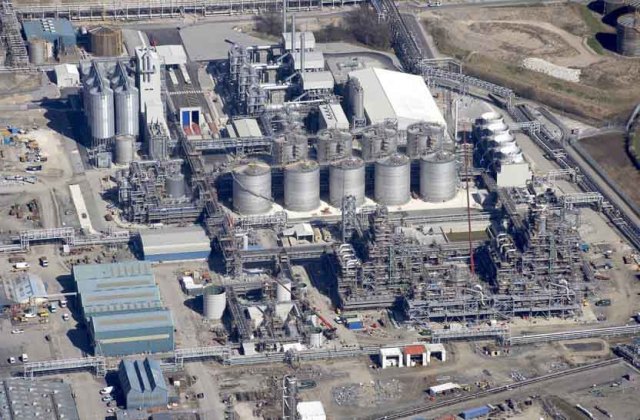
The £350 million Vivergo bioethanol plant in Hull (England) was officially opened this week by Vince Cable, Member of Parliament, Secretary of State for Business, Innovation and Skills. The new plant is the UK’s biggest bioethanol producer and largest single-source supplier of animal feed providing valuable commodities that the UK would usually import.
The Biobased Industries Consortium (BIC), a cross sector group of 48 large and small companies, has joined forces with the European Commission to set up an unprecedented Public Private Partnership worth 3.8 billion euros to accelerate the deployment of biobased products in Europe by 2020.
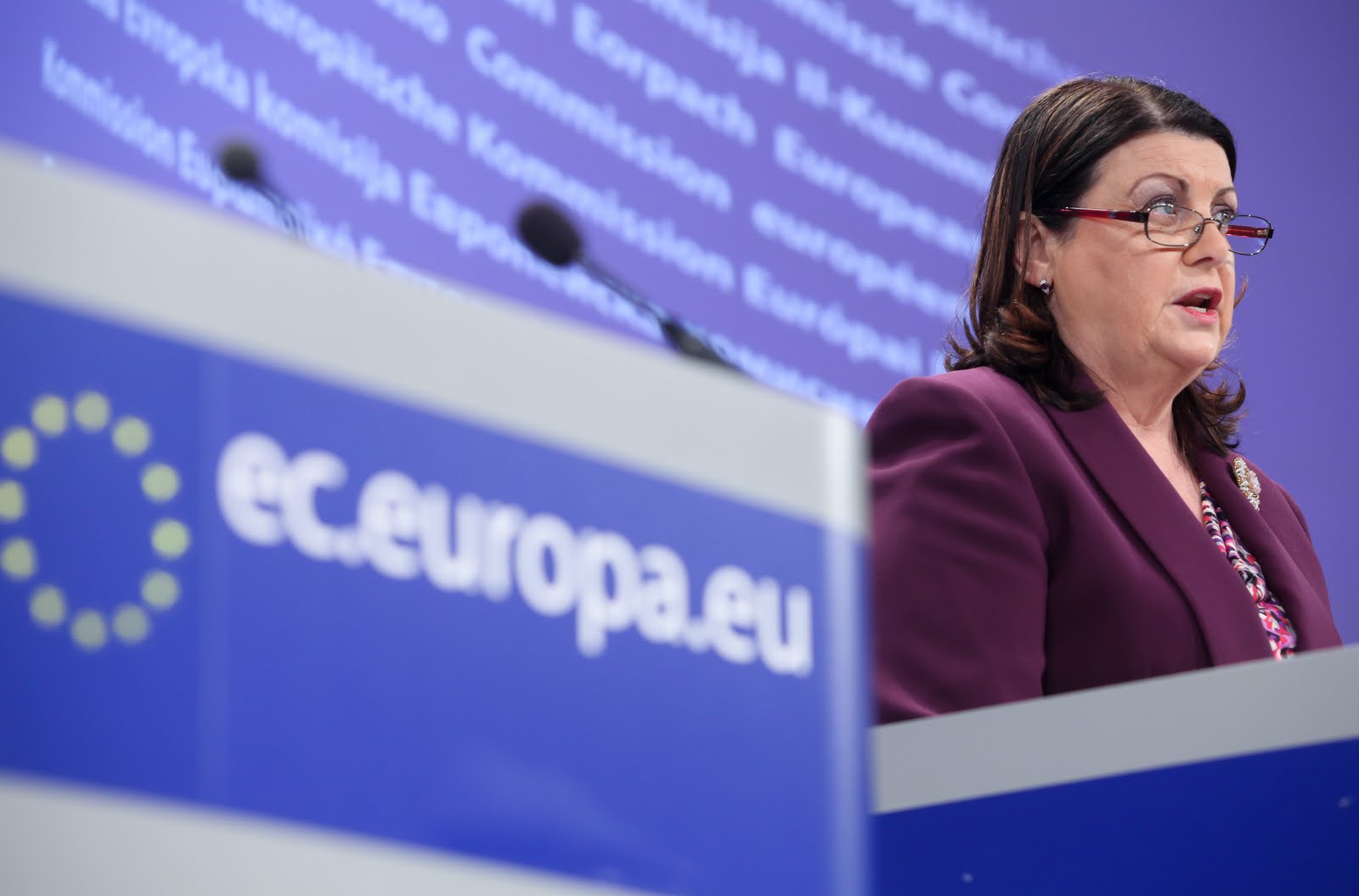
The Biobased Industries PPP is part of the European Commission’s Innovation and Investment Package that was released today in Brussels. The package is intended to stimulate the European economy, create jobs and tackle major societal challenges through research, innovation and deployment. Continue reading →
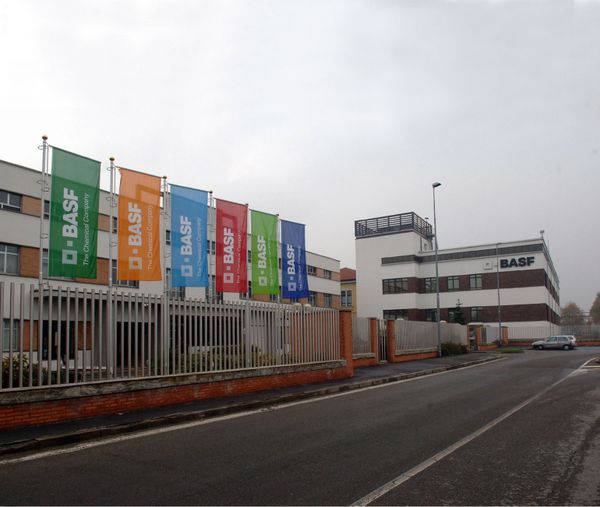
Italian Headquarter of Basf in Cesano Maderno (Milan)
Basf, Cargill and Novozymes have announced the achievement of an important milestone in their joint development of technologies to produce acrylic acid from renewable raw materials by successfully demonstrating the production of 3-hydroxypropionic acid (3-HP) in pilot scale.
3-HP is a renewable-based building block and one possible chemical precursor to acrylic acid. The companies also have successfully established several technologies to dehydrate 3-HP to acrylic acid at lab scale. This step in the process is critical since it is the foundation for production of acrylic acid. In August 2012, Basf, Cargill and Novozymes announced their joint agreement to develop a process for the conversion of renewable raw materials into a 100 percent bio-based acrylic acid.
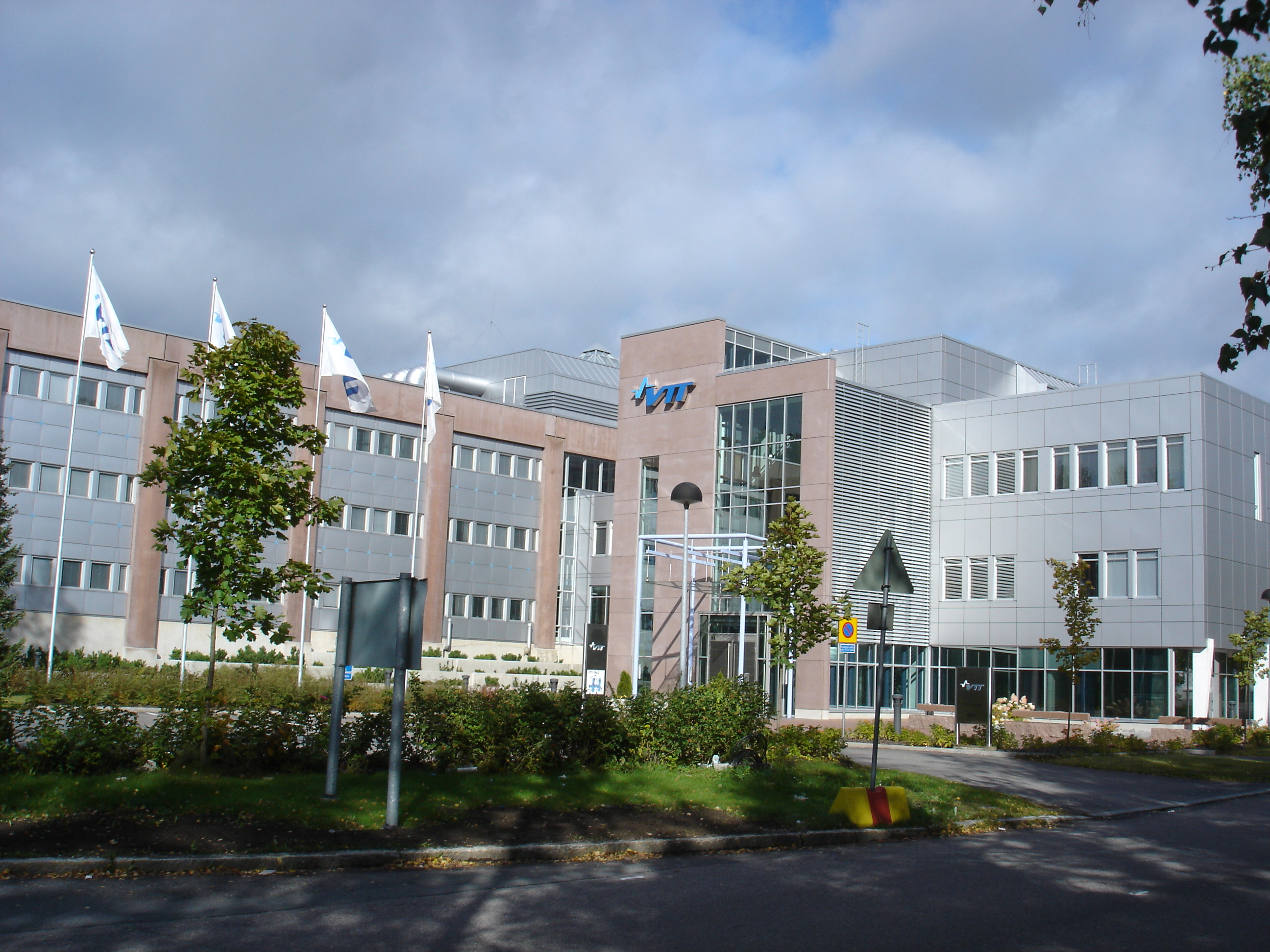
VTT Technical Research Center’s headquarter in Tampere
VTT Technical Research Center of Finland – the biggest multitechnological applied research organisation in Northern Europe, that provides high-end technology solutions and innovation services – has assessed the techno-economics of the production of renewable liquid transportation fuels from forest residues. The case studies focused on the production of four biofuels using a method based on pressurised fluidised-bed gasification. The fuels studied were methanol, dimethyl ether (DME), Fischer-Tropsch liquids and synthetic gasoline.
The European Environment Agency has published the Report “EU bioenergy from a resource efficiency perspective”. The report primarily looks at the potential for energy from agricultural land, although it includes forest and waste biomass in the overall analysis (Bioenergy refers to energy uses of any kind of biomass, whether for heating, power generation or transport).
thank you. You are more and more every day to read Il Bioeconomista, from all over the world. And that flatters us and encourages us to move forward with our project for an online journal that has in the bioeconomy its inspiring principle. You are a signal that the world is in turmoil, that the search for a world free from fossil fuels, a post-petroleum world, is increasingly an utopia that has decided to roll up its sleeves to become reality every day. The path is still long, but the road is mapped out and we can’t go back.
Berlaymont, European Commission’s Headquarter in Brussels
The European Commission has selected and appointed the 30 members of the Bioeconomy Panel, a new platform for informed discussions on the Bioeconomy.
These experts represent a wide variety of interests – scientific community and researchers, primary producers, industry, policy-makers, and civil society – and they are nominated for an initial mandate of 2 years.
Their role is to closely assist the Commission in the implementation of the Bioeconomy Strategy in Europe.
At the Paris Air Show 2013, Airbus, Air France, Safran – a leading international high-technology group with three core businesses: aerospace, defence and security – and oil giant Total organized the “Joining our Energies – Biofuel Initiative France” flight to illustrate the French industry’s technical capacity to integrate aeronautical biofuels. The four players underline the need to improve research into the development of sustainable biofuels with a view to creating a French biofuel industry.
Today, the air transport sector generates around 2% of global man-made CO² emissions. Manufacturers are fully mobilized to reduce the impact of air transport by all possible means. As the aviation industry has no alternative to liquid fuels of fossil origin, the use of biofuels is essential for drastically reducing CO² emissions.
Leading companies and policy makers are collaborating to fuel the growth of the bioeconomy in Europe. The partnership of Biobased and Renewable Industries for Development and Growth in Europe (BRIDGE) is industries vision for building stronger more sustainable value chains, based on renewable raw materials, across Europe. It is the result extensive dialogue between a broad range of sectors, SMEs, Research Institutes and policy makers and, if adopted, will form part of the EU’s new Research and Innovation programme, Horizon 2020. Continue reading →
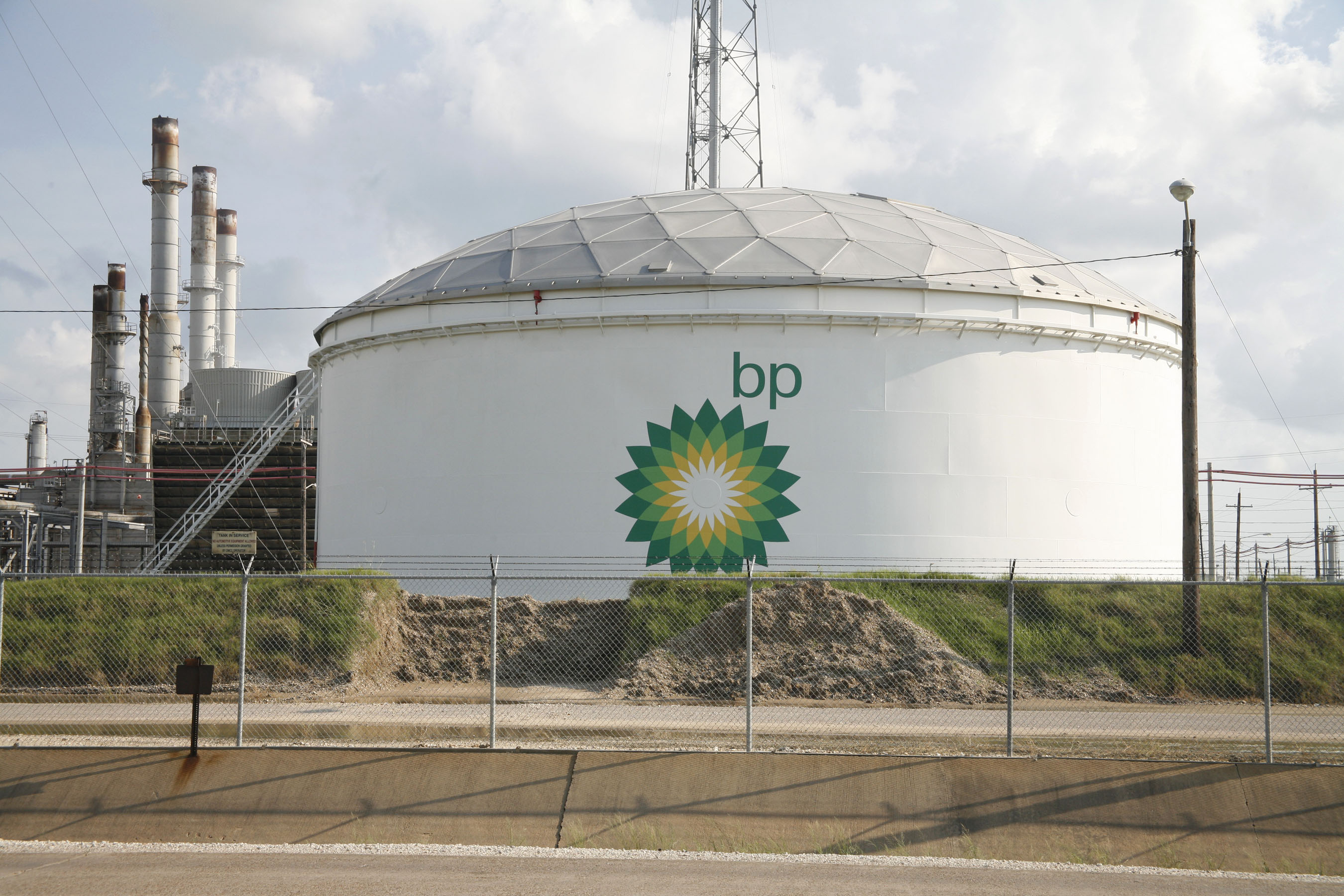
Oil major BP is directing investment in advanced biofuels to the United States and South America due to uncertainty about the European Union’s future regulatory environment.
“At the moment we are not contemplating investing in second-generation cellulosic (ethanol) in Europe simply for the reason that there is not enough certainty on what the market conditions will be like,” Phil New, head of BP Biofuels, said in an interview with Reuters UK.