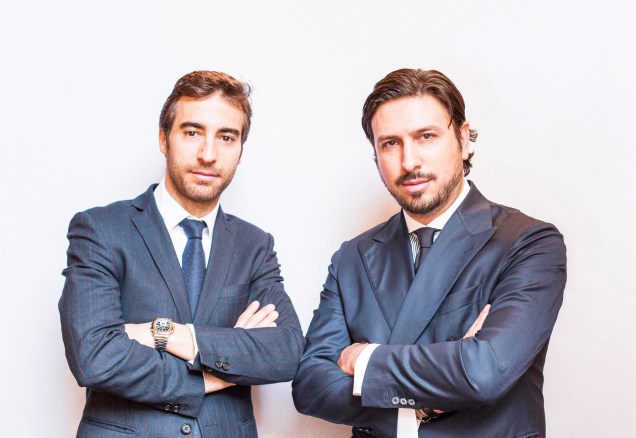
The Italian biochemical company GFBiochemicals and Atlanta-based American Process Inc., which is specialized in the development of technologies for the commercial production of sugars and ethanol from biomass, have entered into a joint development agreement to create the largest integrated cellulosic biorefinery in the world. “The agreement – both companies stated – is rooted in our complementary industrial operations and joint vision for a lower-carbon future”. The proposed biorefinery, located in the U.S, is expected to create 50-200 thousand tonnes per annum of bio-based products, addressing markets with a potential annual value of USD 10 billion.

 Amsterdam will be the center of gravity of the biobased economy this May. In its second year,
 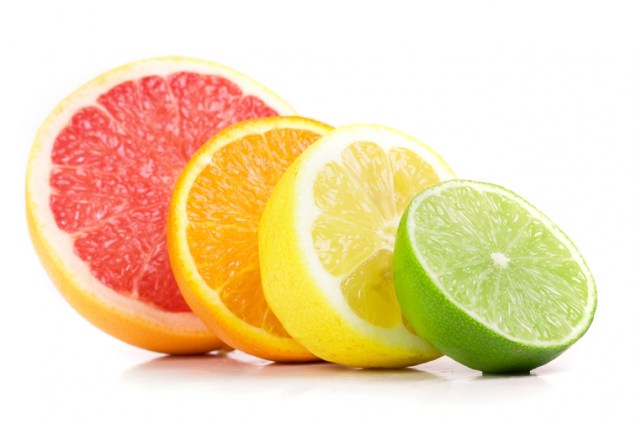 Swiss-based biotech company Evolva teams up with Paris-based FCI to expand the European sales, marketing and distribution of its high-purity, sustainably sourced citrus ingredients, nootkatone and valencene.
 Cosmetics industry giant Oriflame Products Poland has joined UPM Raflatac’s RafCycle recycling program. RafCycle recycles and reuses pressure sensitive label waste to create new materials. The partnership supports Oriflame’s target to reduce its landfill waste to zero across all their manufacturing sites. Oriflame is a leading beauty company selling direct. It has its origin in Sweden with corporate offices in Switzerland. The company offers a wide range of high-quality beauty products.
 Even this year for the International Women’s Day, we dedicate a tribute to the 8 women who have distinguished themselves in the bioeconomy in 2016. With their huge competences and their infinite passion, they are the stars of the world bioeconomy. Our best and warmest wishes to all women.
 A packaging revolution: Danone and Nestlé Waters, the world’s two largest bottled water companies, have joined forces with Origin Materials, a startup based in Sacramento, California, to form the NaturALL Bottle Alliance. Together, the three partners aim to develop and launch at commercial scale a PET plastic bottle made from bio-based material, i.e. 100% sustainable and renewable resources. PET (Polyethylene terephthalate) is the most common plastic in polyester family and is used in fibers for clothing, containers for liquids and foods, thermoforming for manufacturing, and in combination with glass fiber for engineering resins.
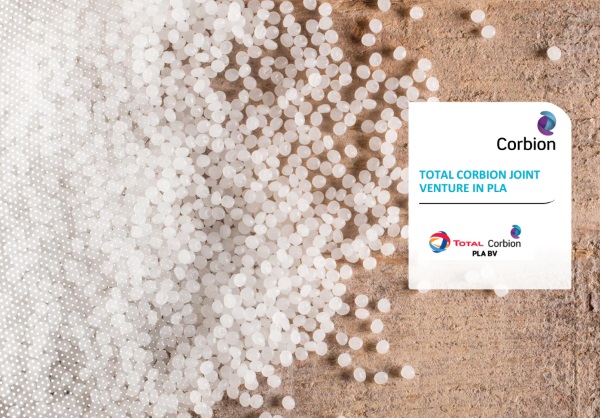 Total Corbion PLA yesterday officially launched its operations to produce and market Poly Lactic Acid (PLA) polymers. PLA is a biobased and biodegradable polymer made from annually renewable resources. As announced by parent companies Total and Corbion last November, the new company is a 50/50 joint venture based in the Netherlands.
