Canadian corporation Iogen has developed and patented a new method to make drop-in cellulosic biofuels from biogas using existing refinery assets and production operations. The company estimates there is refining capacity in place to incorporate 5-6 billion gallons per year of renewable hydrogen content into gasoline and diesel fuel. Iogen will initially commercialize the approach using landfill biogas, and then expand production using biogas made in the cellulosic ethanol facilities it is currently developing.
“The biobased economy has an unprecedented ability to reconcile growth, jobs, rural development and sustainability. The World Economic Forum estimates that by 2020, biorefining could generate globally over € 225 billion Euro per year across the whole biomass value chain. Policy makers around the globe are waking up to the potential of the biobased economy progressively”. To say it in this exclusive interview with Il Bioeconomista is Sebastian Søderberg, Vice President, Biomass Conversion, of Novozymes, the Danish biotech company with a strong focus on enzyme production and world leader in bioinnovation. With Søderberg we talk about bioeconomy, with a special focus on European policies to encourage the development of the sector: “A comprehensive policy – says the Danish top manager – should therefore stimulate both the demand (tax incentives, production support and feed in tariff) and supply (feedstock collection and supply-chain incentives) for biobased products as well as unlock the necessary investments for demonstration and first-of-its-kind commercial-scale plants (e.g. through the PPP on Biobased Industries)”.
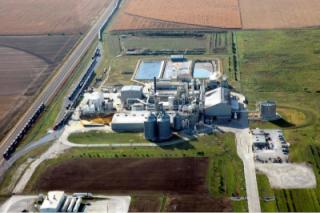
Cargill, U.S. agribusiness giant, expands its corn-based ethanol business by opening a plant in Fort Dodge, Iowa, with the capacity to grind 150,000 bushels of corn daily.
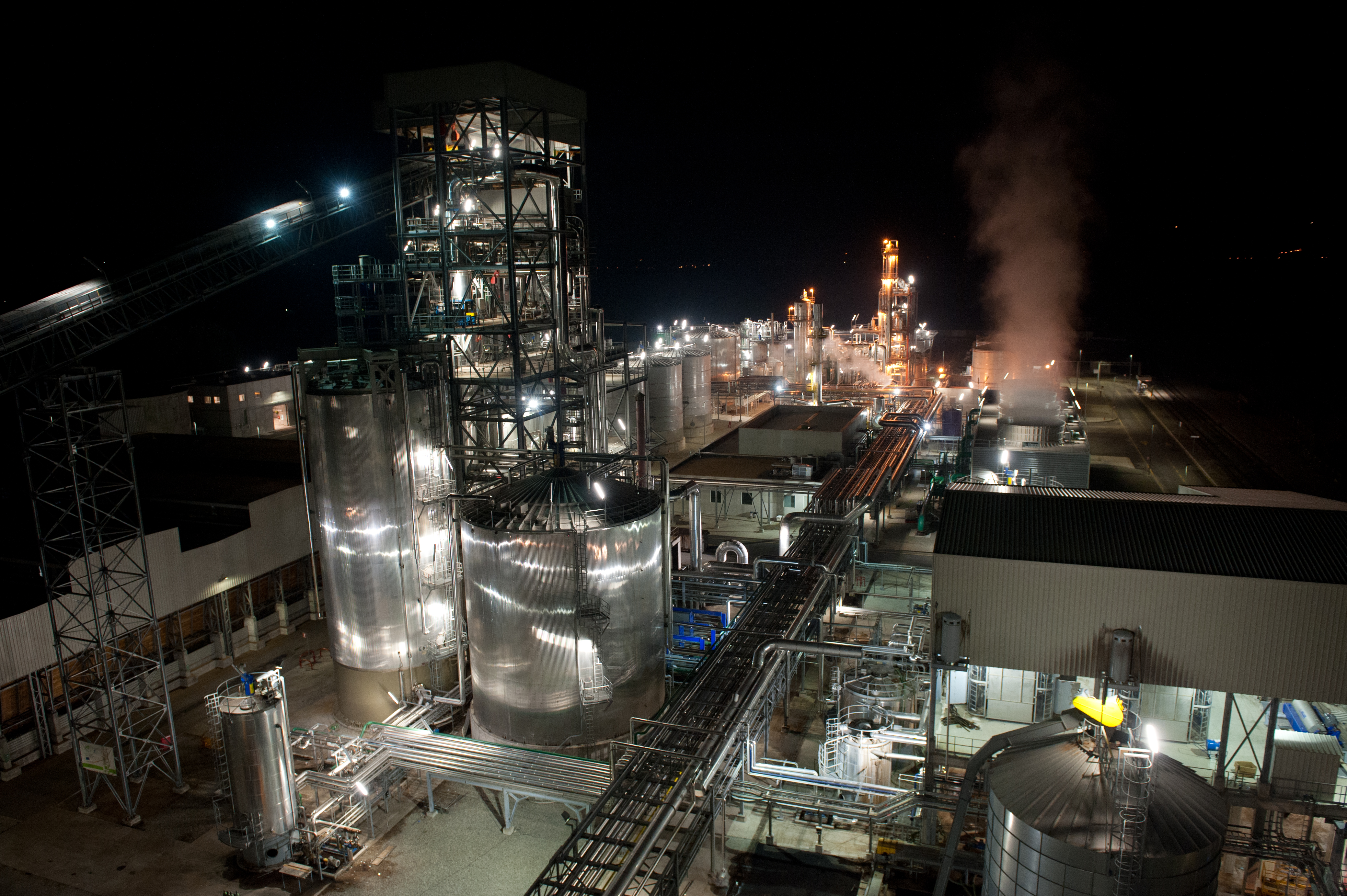
Beta Renewables, a global leader in cellulosic biofuels and part of the Mossi & Ghisolfi Group, and Novozymes, the world’s largest producer of industrial enzymes, today marked the official opening in Crescentino (Northern Italy) of the world’s largest advanced biofuels facility. Situated in fields in the Piedmont region, it is the first plant in the world to be designed and built to produce bioethanol from agricultural residues and energy crops at commercial scale using enzymatic conversion.
According to the Global Renewable Fuels Alliance, a global biofuels federation representing over 65% of the world’s renewable fuels production from 44 different countries, 62 countries now have biofuels friendly policies in place whose ethanol production alone has replaced the need for over 2 million barrels of crude oil per day.
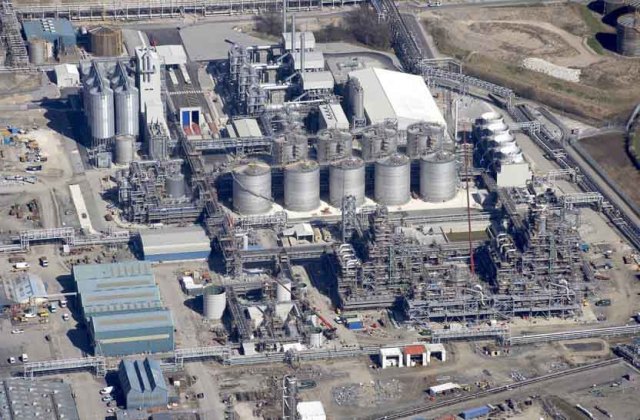
The £350 million Vivergo bioethanol plant in Hull (England) was officially opened this week by Vince Cable, Member of Parliament, Secretary of State for Business, Innovation and Skills. The new plant is the UK’s biggest bioethanol producer and largest single-source supplier of animal feed providing valuable commodities that the UK would usually import.
Abengoa, the Spanish sustainable technologies company, has started operations at the demonstration plant that uses waste-to-biofuels (W2B) technology. The plant has a capacity to treat 25,000 tons of municipal solid waste (MSW), from which up to 1.5 million liters of bioethanol will be produced for use as fuel.
The demonstration plant in Babilafuente (Salamanca, Spain) uses W2B technology developed by Abengoa (7,089 million euros sales in 2012 and 90.6 million euros/year of investment in R&D) to produce second generation biofuels from MSW using a fermentation treatment and enzymatic hydrolysis. During the transformation process, the organic matter is subjected to various treatments to produce organic fiber that is rich in cellulose and hemicellulose, which can subsequently be converted into bio-ethanol.


 IL BIOECONOMISTA