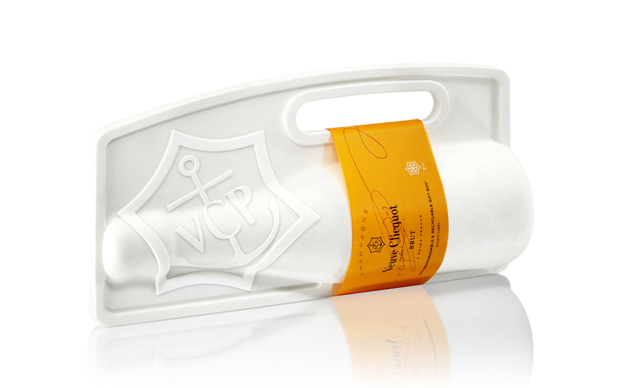
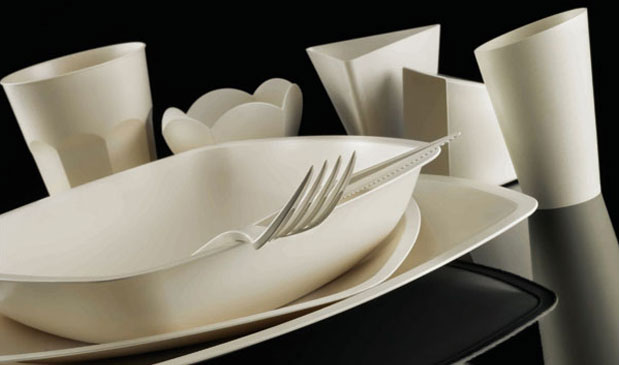
PaperFoam , a young and innovative packaging company based in the Netherlands and specialized in biobased packaging solutions with very low carbon footprint, won the DieLine Sustainable Packaging Award 2015 for its Naturally Clicquot 2, an eco-packaging design solution made from PaperFoam material for champagne producer Veuve Clicquot.
Amyris, Inc., a global renewable products company providing sustainable alternatives to a variety of non-renewable resources, and Squalan Natural Health B.V., a privately held, personal care product company based in The Netherlands, have entered into agreements for the production and marketing of Neossance Squalane-based personal care products.
The partnership between Amyris and Squalan accelerates development and market penetration of skin care and personal care products containing Amyris’s Neossance Squalane, which is produced from plant sugars. Under this new relationship, Squalan will market and sell Neossance-based products to retailers and consumers, primarily in the European Union.
Wageningen UR Food & Biobased Research investigates standards for biobased products as part of the Open-Bio project commissioned by the EU. There is some ambiguity concerning bio-based products which frequently have different functional properties and end-of-life options from petroleum-based products. To develop and improve these standards, however, misconceptions will first have to be identified and eliminated. Clear standards will help to remove barriers to the introduction of bio-based products on the market.
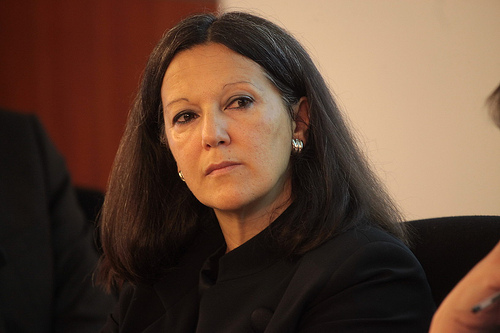
“A project to establish an agricultural sector which respects the region, which enhances the value of abandoned and unirrigated land in order to feed into the first integrated biorefinery model in the region. It will be in synergy with the food production chain and centred on high value-added products which can reduce and replace higher-impact raw materials sourced from further afield.” This is the core of the agreement signed by Catia Bastioli, CEO of Novamont and Matrìca (a 50/50 joint venture between Novamont and Versalis), Roberto Moncalvo, chairman of Coldiretti, and Mauro Tonello, chairman of Consorzi Agrari d’Italia (CAI), for the creation of innovative agro-industrial chains to create short-chain biolubricants and bioplastics.
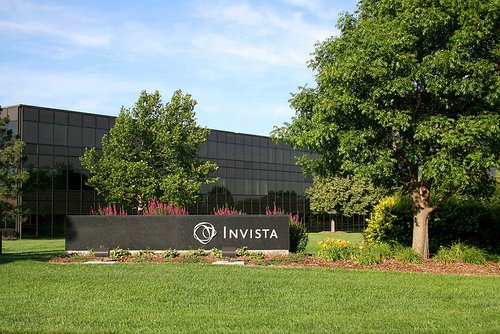
Invista, one of the world’s largest integrated producers of polymers and fibers, and owner of the Lycra brand, introduces the only commercial offering of a bio-derived spandex available globally and for use in a wide variety of apparel fabrics and garments. Approximately 70% by weight of the new Lycra bio-derived spandex fiber comes from a renewable source made from dextrose derived from corn. The use of a renewable feedstock in the making of this new Lycra bio-derived fiber results in a lower CO2 emissions footprint than spandex produced using traditional raw materials.
According to a new study on “World Bioplastics” published by The Freedonia Group, global demand for biobased and biodegradable plastics will rise 19 percent per year to 950,000 metric tons in 2017. The bioplastics industry, while still in the emerging growth phase, has established itself as a fixture in a number of commercial markets and applications. Robust growth in demand is expected in virtually all geographic markets, stimulated by consumer preferences for sustainable materials, the increased adoption of bioplastics by plastic processors and compounders, and new product development that expands the range of uses for bioplastics.
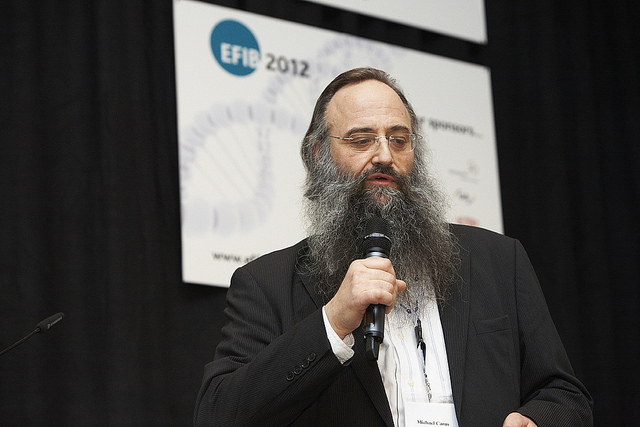
Michael Carus, managing director of the nova-Institut
Food or non-food: Which agricultural feedstocks are best for industrial uses? This is the title of the new paper published by the German nova-Institut led by Michael Carus, who is one of the author, together with Lara Dammer. In less than ten pages the two authors analyze one of the most controversial issues of the bioeconomy, also underlined by the recent decision of the European Parliament’s environment committee to limit the share of food-based biofuel used in cars and trucks to 5.5% of the total consumption. Continue reading →

 IL BIOECONOMISTA