Emirates operated an Airbus 380 demonstration flight with Neste’s SAF

B2EAA692-AD28-4752-B3AF-1253E937647C
Photo: Emirates A380 taking off on 100% SAF. Source: Emirates

Emirates, one of the world’s largest international airlines, has become the first airline to operate an Airbus A380 demonstration flight with one of the aircraft’s four engines powered with Neste’s sustainable aviation fuel (SAF). Emirates’ flight demonstrates the potential of SAF as a more sustainable drop-in replacement for fossil-based jet fuel, matching its technical and chemical requirements. SAF can currently be used in up to 50% blends with conventional fossil jet fuel. 

Continue reading

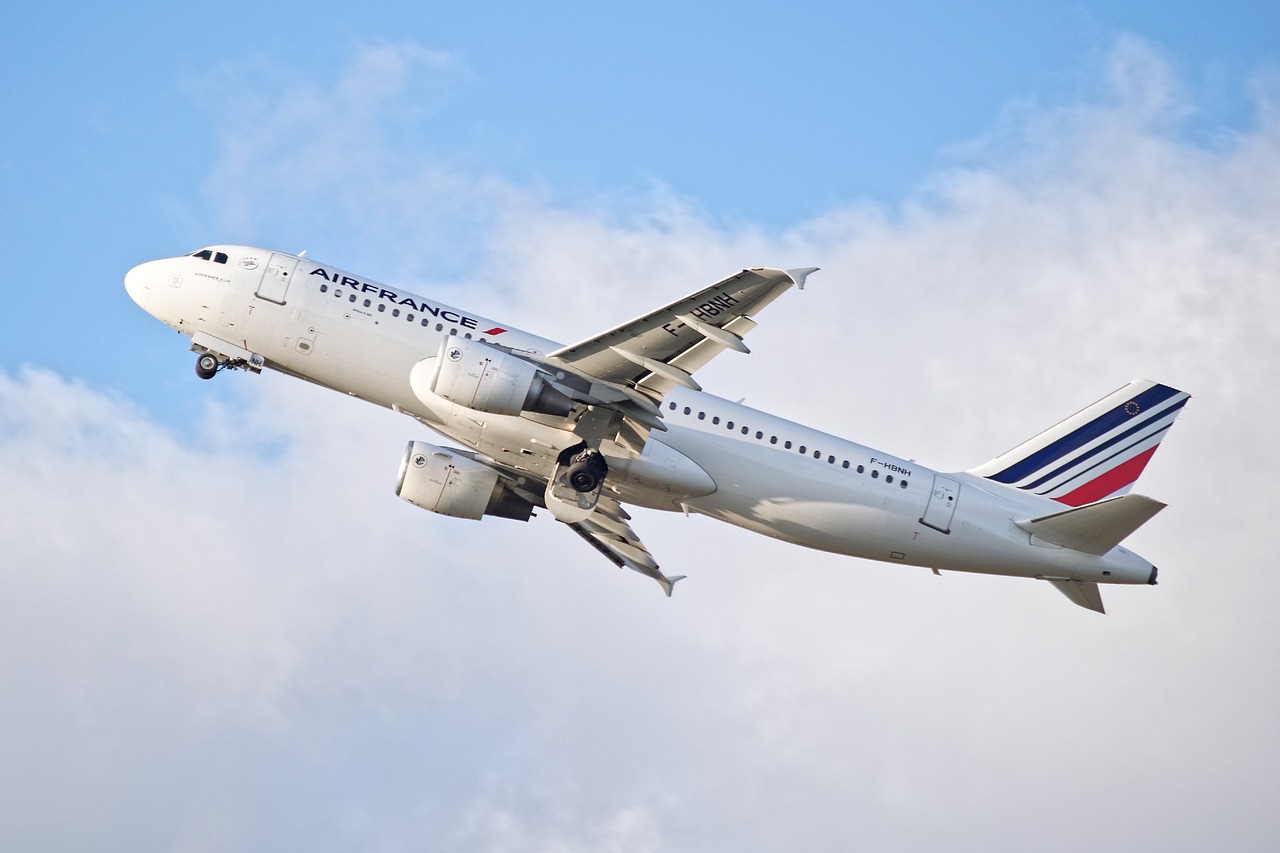
Air France-KLM confirms its strategic cooperation with SAF producer DG Fuels by investing in their SAF production facility in the US

4BFA598F-9247-4BAA-8390-AAA4A794CC77

The Air France-KLM Group is fully committed to reducing its carbon footprint and aims to be a frontrunner in sustainable aviation. In 2022, the Group was the world’s largest user of SAF, representing 17% of the world’s total production. By comparison, the Group only accounts for 3% of the world’s consumption of conventional kerosene.

Continue reading

Neste and SQUAKE enable businesses to opt for SAF in flight booking systems

IMG_0273
Neste’s headquarter in Espoo, Finland

Neste and SQUAKE, a leading technology provider for powering carbon calculations and providing tangible compensation for all travel and logistics emissions, are announcing a strategic partnership that enables businesses to purchase Neste MY Sustainable Aviation Fuel™ through flight booking systems using SQUAKE’s technology. 

Continue reading

Cologne Bonn Airport switches to Neste MY Renewable Diesel in its entire diesel-powered ground fleet

AB109654-0C8E-4209-BCFD-5137A1B21ECE

Cologne Bonn Airport has switched to Neste MY Renewable Diesel™ in its diesel-powered ground fleet. Neste’s renewable diesel (also known as HVO100) is made from 100 percent renewable raw materials, and it is in particular used for powering large and heavy vehicles such as the airport’s fire trucks, which are not easy to electrify. In total, switching to Neste MY Renewable Diesel will allow the airport to save almost 3,000 tons of greenhouse gas emissions (CO2e) annually compared to the use of fossil diesel. By using Neste MY Renewable Diesel, greenhouse gas emissions (GHG) are reduced by as much as 90%* over the life cycle of the fuel compared to fossil diesel. 

Continue reading

Virgin Atlantic: World first 100% SAF transatlantic flight taxis closer to takeoff

wpid-virent_main_entrance-1-2.jpg.jpeg

Virgin Atlantic and Rolls-Royce confirmed the successful Sustainable Aviation Fuel (SAF) blend ground test on the Rolls-Royce Trent 1000 engine. The test marks a key milestone in the project which will see the world’s first 100% SAF flight travel across the Atlantic from London Heathrow to New York JFK on a Boeing 787 Dreamliner, set to take off on 28 November 2023.

Continue reading

Global Bioenergies’ SAF technology receives ASTM certification

Marc Delcourt
Marc Delcourt, co-founder and CEO of Global Bioenergies

Global Bioenergies’ process becomes one of the very few Sustainable Aviation Fuel (SAF) technologies in the world certified by ASTM International. Global Bioenergies’ fuel can now be blended up to 50% with fossil kerosene in existing airplanes, the French company claims.

Continue reading

Trollhättan-Vänersborg Airport in Sweden, will be the first airport in the world to offer only blended sustainable aviation fuel (SAF)

7B3391CF-DE66-47EB-BD56-EF2AAE64AEDA

Trollhättan-Vänersborg Airport in the southwestern part of Sweden, will be the first airport in the world to offer only blended sustainable aviation fuel (SAF) for all aircraft refueling at the airport, which will significantly reduce greenhouse gas (GHG) emissions of departing flights. Neste will supply its Neste MY Sustainable Aviation Fuel™ to the Trollhättan airport in a 30-40% blend with conventional jet fuel and the airport will make it available for refueling by the end of June.

Continue reading

Neste and Viva Aerobus signed a purchase agreement for one million liters of SAF

128975F1-9F6E-4F35-AB8E-69BFB4ED44B9
Courtesy of Viva Aerobus

Neste and Viva Aerobus, the Mexican ultra low-cost carrier, have signed a new purchase agreement for one million liters (264,000 gallons) of Neste MY Sustainable Aviation Fuel™. The sustainable aviation fuel (SAF) supplied to Viva Aerobus will be blended with conventional jet fuel and used to power the airline’s flights from Los Angeles International Airport to Guadalajara, Mexico City and Monterrey in Mexico.

Continue reading

Neste, Airbus, Safran and Microflite jointly operated Australia’s first helicopter flights using SAF

06148888-B8F1-45D1-9B1D-62FBEE4E5024
Source: Airbus

Neste, Airbus, Safran Engines and Microflite, a leading Australian helicopter operator, have jointly operated Australia’s first helicopter flights using sustainable aviation fuel (SAF). On this demonstration flight, an Airbus H130 helicopter powered by a Safran Arriel 2D engine used blended sustainable aviation fuel (SAF) supplied by Neste.

Continue reading

Fulcrum BioEnergy’s UK Waste-To-Fuels Project Awarded £16.8 Million Grant from the UK Department for Transport Advanced Fuels Fund

B9509561-C514-41E1-9C6C-3483407D97EC

Fulcrum BioEnergy, Ltd. – the United Kingdom subsidiary of Fulcrum BioEnergy, a US-headquartered clean energy company pioneering the creation of renewable, drop-in transportation fuels from landfill waste – received a grant of approximately £16.8 million, USD $20.2 million, from the UK Department for Transport Advanced Fuels Fund. The grant, which runs through to 2025, will support development of Fulcrum NorthPoint, a residual waste to sustainable aviation fuel (SAF) facility which will be located at the Essar Stanlow Manufacturing Complex in Ellesmere Port, Cheshire in North West of England. Funds from the grant will be utilized to fund engineering activities for the plant, which is expected to have the capacity to transform about 600,000 tonnes of residual waste into approximately 100 million liters of low-carbon SAF per year when it enters operations in 2027.

Continue reading