 Even this year for the International Women’s Day, we dedicate a tribute to the 8 women who have distinguished themselves in the bioeconomy in 2016. With their huge competences and their infinite passion, they are the stars of the world bioeconomy. Our best and warmest wishes to all women.
Ylwa Alwarsdotter, Senior VP Sekab (Sweden)
Catia Bastioli, CEO at Novamont (Italy)
Louise Batchelor, VP Strategy at BioAmber Inc. (Canada)
Jennifer Holmgren, CEO at Lanzatech (New Zealand/USA)
Nathalie Moll, Secretary General at EuropaBio (UE)
Theodora Retsina, CEO at American Process (USA)
Margaret Smallwood, CEO at BioVale (UK)
Marie Wheat, Industry Economist at USDA BioPreferred Program (USA)
 A packaging revolution: Danone and Nestlé Waters, the world’s two largest bottled water companies, have joined forces with Origin Materials, a startup based in Sacramento, California, to form the NaturALL Bottle Alliance. Together, the three partners aim to develop and launch at commercial scale a PET plastic bottle made from bio-based material, i.e. 100% sustainable and renewable resources. PET (Polyethylene terephthalate) is the most common plastic in polyester family and is used in fibers for clothing, containers for liquids and foods, thermoforming for manufacturing, and in combination with glass fiber for engineering resins.
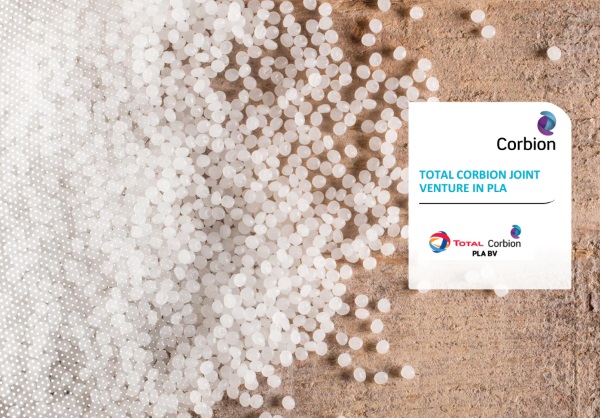 Total Corbion PLA yesterday officially launched its operations to produce and market Poly Lactic Acid (PLA) polymers. PLA is a biobased and biodegradable polymer made from annually renewable resources. As announced by parent companies Total and Corbion last November, the new company is a 50/50 joint venture based in the Netherlands.
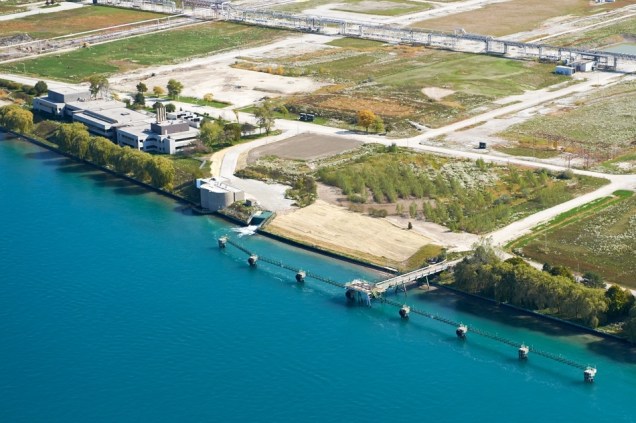 Comet Biorefining, the Canadian company focused on the production of high-purity cellulosic dextrose, completed a round of equity financing led by new investor PM Equity Partner. Current investor Sofinnova Partners and new investor Bioindustrial Innovation Canada (BIC) also participated in the financing, whose terms were not disclosed.


 IL BIOECONOMISTA