
Today starts in Amsterdam the 10th annual World Bio Markets, an event which will focus on three bioeconomy core topics: biofuels, bio-based chemicals and feedstock supply, security and selection.
Today starts in Amsterdam the 10th annual World Bio Markets, an event which will focus on three bioeconomy core topics: biofuels, bio-based chemicals and feedstock supply, security and selection.

Walmart announced last Tuesday the debut of its Sustainability Leaders shop, an online shopping portal on Walmart.com that helps customers identify and purchase products from suppliers that are leading in sustainability.
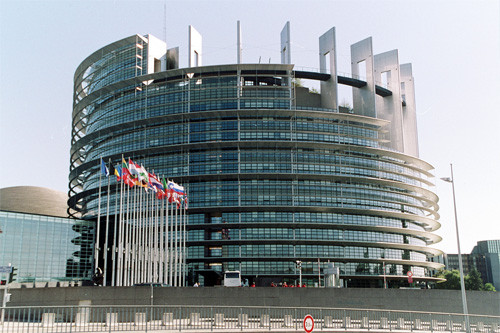
A draft law to cap the production of traditional biofuels and accelerate the shift to alternative sources, such as seaweed and waste, was approved by the Environment Committee on Tuesday. It aims to reduce greenhouse gas emissions that result from the growing use of agricultural land to produce biofuel crops.

EFIB returns to Brussels. From 27 to 29 October the European Forum for Industrial Biotechnology and the Biobased Economy (EFIB) returns to Europe’s capital, where it was first launched 7 years ago, taking place at the Square, Brussels meeting center. Since then, the event has grown tenfold in size but remains true to its goal of providing the premier meeting place for business and policy throughout the biobased value chain.
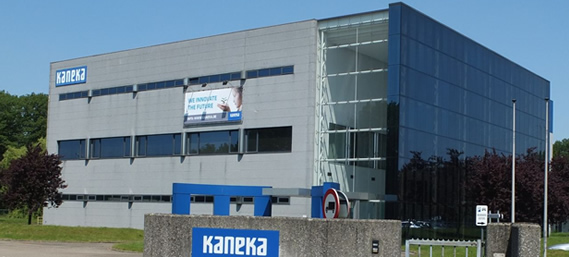
There is a new partnership in the world bioeconomy. German Biotec GmbH and Japanese Kaneka Corporation signed a broad Joint Development Agreement for the application of biopolymers. Biotec develops and manufactures bio-based, biodegradable and compostable compounds under the trade name Bioplast. Kaneka is the producer of a 100% bio based and innovative PHBH polymer with the brand name Aonilex, which is new to the market. Both companies agreed to combine development resources to create new bio-based compounds for the application fields of pharmaceutical capsules, extrusion coated paper and cardboard, various other flexible and rigid films and packaging solutions.

The Italian bioeconomy is growing. Bio-on, an innovative industrial biotech company, and Eridania Sadam, sub-holding of the agro-food sector owned by the Maccaferri Group of Bologna, will work together on defining and optimising the production of levulinic acid, a key molecule for the sustainable and low-impact future of the chemical industry. Already available on the international market, but in insufficient quantities, levulinic acid is currently obtained from industrial processes with an environmental impact that fails to meet European standards.
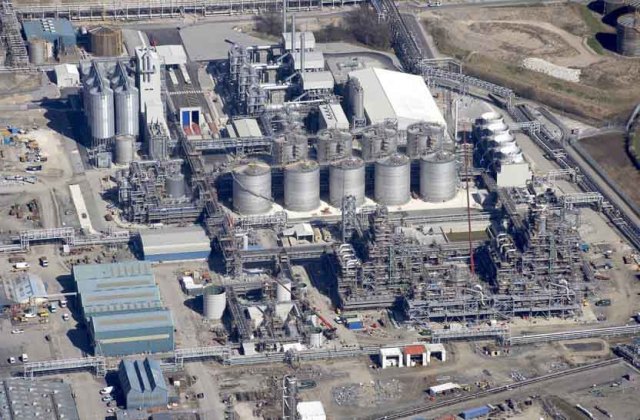
Despite the dramatic recent weakening in global energy markets, ongoing economic expansion in Asia – particularly in China and India – will drive continued growth in the world’s demand for energy over the next 20 years. According to the new edition of the BP Energy Outlook 2035, global demand for energy is expected to rise by 37% from 2013 to 2035, or by an average of 1.4% a year.
Dear Readers,
let me talk about us, to share with you an acknowledgment that we are very pleased to receive. Our blog is considered a model to follow in a scientific paper entitled “Gearing Modeling of Regional Eco-Bio-Logistic Components in Bioeconomic Management, Using Arena Simulation Software”, written by Claudiu Pîrnău, a researcher of the University of Sibiu (Romania), and presented last year at the Scientific Papers International Conference on Knowledge Society.

Wageningen UR Food & Biobased Research investigates standards for biobased products as part of the Open-Bio project commissioned by the EU. There is some ambiguity concerning bio-based products which frequently have different functional properties and end-of-life options from petroleum-based products. To develop and improve these standards, however, misconceptions will first have to be identified and eliminated. Clear standards will help to remove barriers to the introduction of bio-based products on the market.
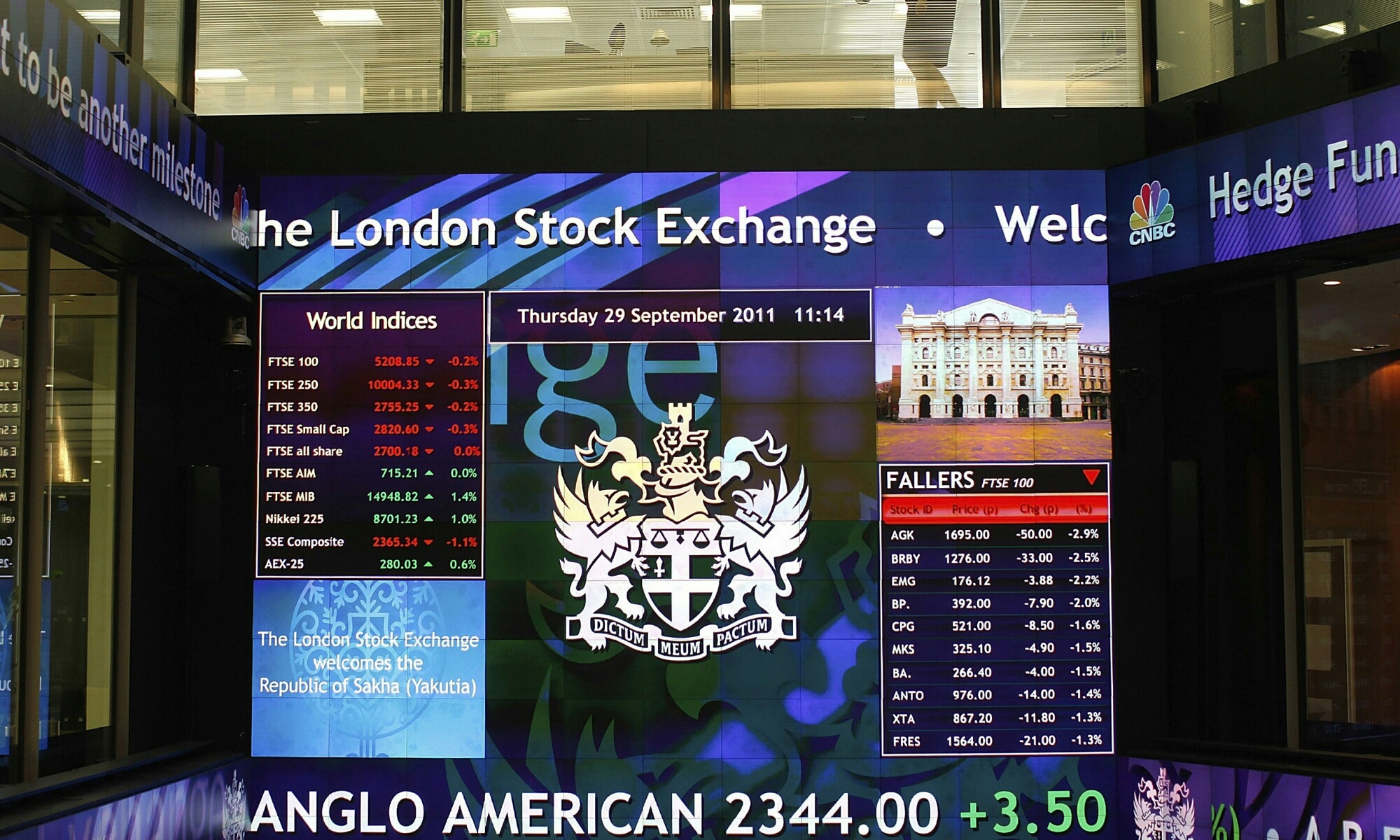
Investment funds are looking with more attention to the bioeconomy. British bioengineering firm Synthace has closed a £2.2 million funding round with new investors SOSventures, Bioeconomy Capital and Rainbow Seed Fund joining Sofinnova Partners and other existing investors.
 IL BIOECONOMISTA