The new Ford is tomato-based

image
Tomato ketchup by Heinz

Ford, the global automotive industry leader based in Dearborn, Michigan, and H.J. Heinz Company, one of the world’s leading marketers and producers of healthy, convenient and affordable foods specializing in ketchup, sauces, meals, soups, snacks and infant nutrition, explore the use of tomato fiber to develop a more sustainable bio-plastic material for vehicles. It might seem that tomatoes and cars have nothing in common. But researchers at Ford Motor Company and H.J. Heinz Company see the possibility of an innovative union.
Continue reading

European Union agrees a deal to limit production of food-based biofuels

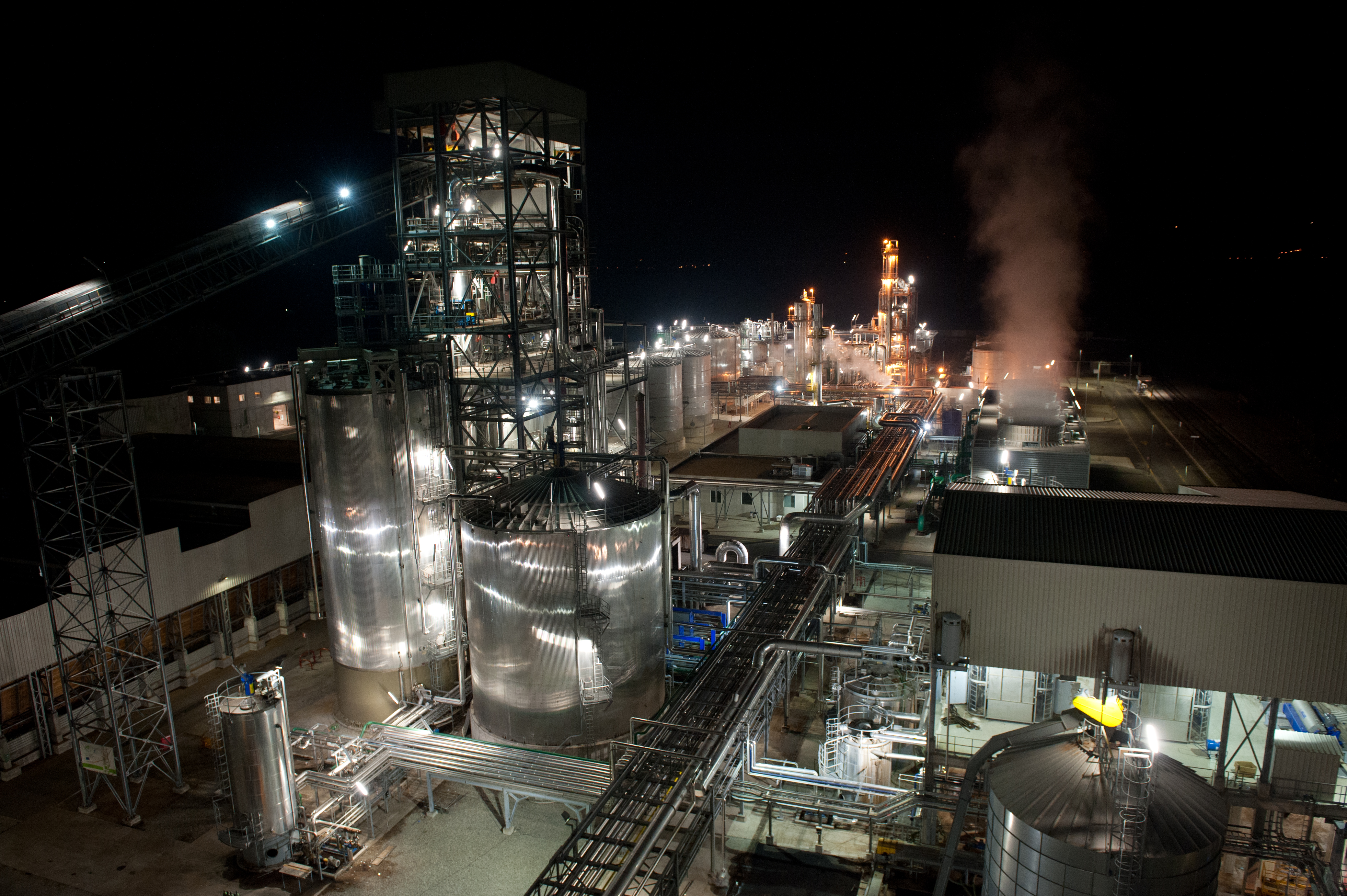
Crescentino Plant View: 2G biofuels biorefinery

EU energy ministers agreed a deal on Friday to limit production of biofuels made from food crops, responding to criticism these stoke inflation and do more environmental harm than good. The ministers’ endorsement of a new compromise overcomes a stalemate hit late last year when European Union governments failed to agree on a proposed 5 percent cap on the use of biofuels based on crops such as maize or rapeseed.

Continue reading

Exclusive interview with Zurina Che Dir: “In 2020, Bioeconomy’s contribution towards Malaysia’s GDP is targeted to contribute 8%-10%

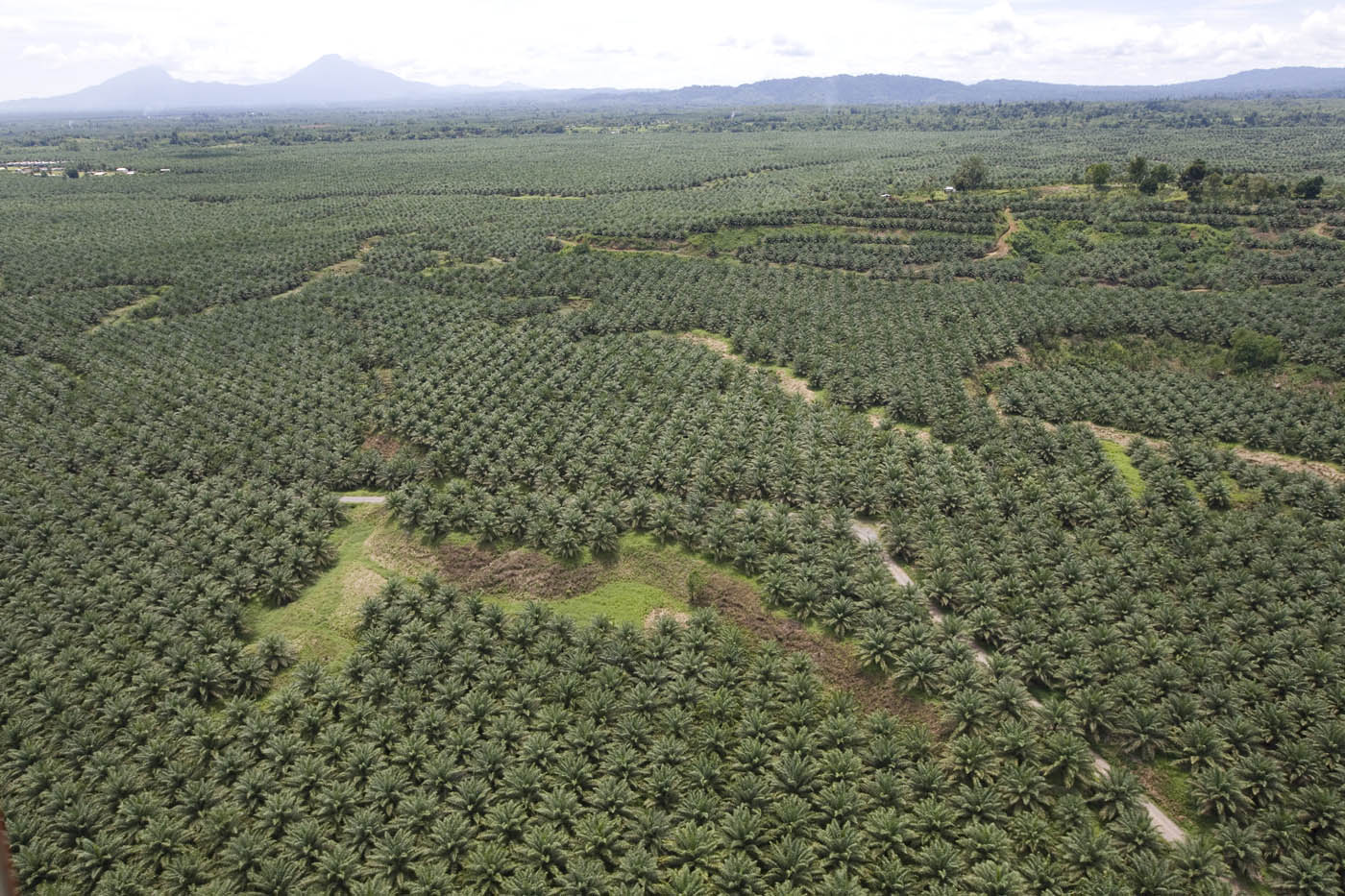
Palm plantation in Malaysia

“The Malaysian bioeconomy today is worth more than USD 4.4 billion (RM14 billion) and creates over 83,000 people.  As you can see, bioeconomy is an important component in creating a more sustainable future where resources are used in the most efficient way. In 2020, Bioeconomy’s contribution towards Malaysia’s Gross Domestic Product (GDP) is targeted to contribute 8%-10% from the current 2%-3%”. To say this, in this long exclusive interview with Il Bioeconomista, is Zurina Che Dir, Senior Vice President Bioeconomy Development Division of the Malaysian Biotechnology Corporation. With Mrs. Zurina Che Dir we talk about bioeconomy in Malaysia, where “the Government has identified bioeconomy as one of the key strategic drivers to elevate the nation’s socio-economic development”.

Interview by Mario Bonaccorso

Continue reading

Reims center of gravity of the world bioeconomy. EFIB 2014 goes to France

The beautiful cathedral of Reims, France

EuropaBio and Smithers Rapra, in association with IAR, unveil the highly-anticipated agenda for the European Forum for Industrial Biotechnology (EFIB) from 1-2 October 2014 taking place in Reims, the heart of Champagne-Ardenne (France). Committed to creating a forum to address opportunities and challenges for the biobased economy, EFIB is consistent in attracting an unrivalled calibre of speakers from across the fields of both policy and business. This year’s high level plenary includes a French ministerial address from this year’s host nation, complemented by the European Commission’s take on the future of the European biobased economy. Followed by a discussion on shale gas and how it is impacting investments and market development in petrochemical and biobased value chains, featuring representatives from Shell and European Bioplastics.

Continue reading

Addax Bioenergy starts sugarcane bioethanol and power production in Sierra Leone

Bioethanol project in Sierra Leone

Addax Bioenergy, a sugarcane-based renewable energy company, announced that its facility in Makeni, Sierra Leone, has started producing sugarcane bioethanol and renewable electricity. The company will produce 85,000 m3 of bioethanol per year by end 2016. The pioneering project involves the development of a Greenfield 10,000 hectare sugarcane plantation, the construction of a bioethanol refinery and a biomass-fuelled co-generation plant to produce green power and contribute about 20% of Sierra Leone’s national electricity requirements. It has been developed in partnership with eight Development Finance Institutions, and is the only bioethanol project to be brought to financial close in Africa.

Continue reading

nova-Institut: Our Proposals for a Reform of the Renewable Energy Directive to a Renewable Energy and Materials Directive

image
Biofuels or biochemicals? nova-Institut proposes a reform of the RED

nova-paper #4 “Proposals for a Reform of the Renewable Energy Directive to a Renewable Energy and Materials Directive (REMD)” presents a reform proposal that aims at creating a level playing field for bio-based chemicals and materials with bioenergy and biofuels in Europe. It is fundamentally different from other reforms of the Directive being currently discussed because it opens the perspective to not only look at energy, but also at bio-based materials.

Continue reading

Invista launches bio-based Lycra

image
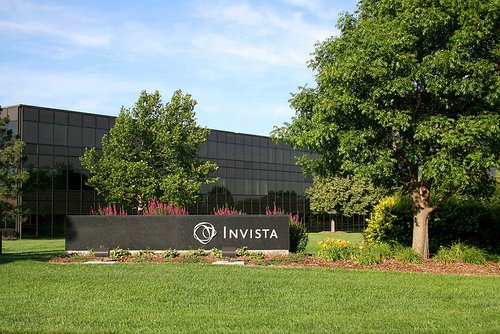
Headquarter of Invista in Wichita, Kansas

Invista, one of the world’s largest integrated producers of polymers and fibers, and owner of the Lycra brand, introduces the only commercial offering of a bio-derived spandex available globally and for use in a wide variety of apparel fabrics and garments. Approximately 70% by weight of the new Lycra bio-derived spandex fiber comes from a renewable source made from dextrose derived from corn. The use of a renewable feedstock in the making of this new Lycra bio-derived fiber results in a lower CO2 emissions footprint than spandex produced using traditional raw materials.

Continue reading

Scottish whisky distilleries become more bio-based

image
Aberfeldy distillery

The UK Green Investment Bank (GIB) has announced £5 million of funding for a pipeline of energy efficiency projects at a number of Scottish distilleries. Half of this will come from GIB, with matched funding from the private sector. Aberfeldy distillery in Perthshire will be taking advantage of the new funding available. This follows GIB’s announcement last year of an investment at the Tomatin distillery, near Inverness. Tomatin is on track to reduce its greenhouse gas emissions by c. 80%. 

Continue reading

The upcoming elections are crucial for the future of the bioeconomy in the European Union

European Parliament, Brussels

From Thursday to Sunday we European Union citizens will be called to elect a new parliament. These elections are important, not only because for the first time will decide who will lead the European Commission. But mostly because the next 5 years represent a crucial point to understand whether the European Union will remain nothing more than a geographical expression (as Metternich called Italy in the Nineteenth century, before its Unification), or will be able to achieve a common economic and monetary policy, and with it a tax policy, a labor policy, etc. In one word: Policies.

Continue reading

Tetra Pak: “All of the packages we produce in Brazil are now bio-based”

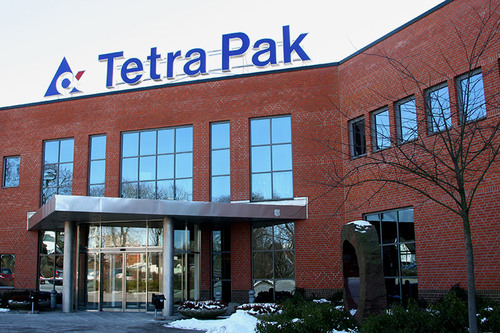
Tetra Pak Headquarter in Lund (Sweden)

Tetra Pak, the world leader in food processing and packaging solutions, headquartered in Sweden, announced that all of the packages it produces in Brazil are now using bio-based low-density polyethylene (LDPE). ​​Combined with paperboard, the use of bio-based LDPE made from sugar cane increases the content of materials from renewable sources to as much as 82% in a Tetra Brik Aseptic​ 1000ml Base package, the world’s best selling carton package range for beverages.​​

Continue reading