
Clariant unveiled new high-performance additives promoting reduction in the consumption of fossil resources, to support the creation of value chain cycles which utilize viable and sustainable renewable sources and combat climate change.
Clariant unveiled new high-performance additives promoting reduction in the consumption of fossil resources, to support the creation of value chain cycles which utilize viable and sustainable renewable sources and combat climate change.
 SABIC, a global leader in the chemical industry, launched a polycarbonate (PC) based on certified renewable feedstock – a first in the industry, providing SABIC and its direct and ultimate customers with a solution that has the potential to reduce both CO2 emissions and the use of fossil feedstock during production.
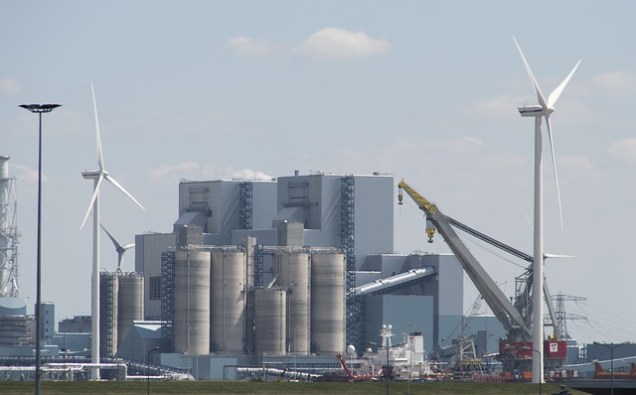
The EIB boosts its support for cities and regions to tackle climate change and foster social inclusion. During the last 5 years (2014-2018), the EU bank dedicated EUR 104 billion to urban lending including health, housing, urban transport or water and wastewater management.
Beijing Shougang LanzaTech New Energy Science & Technology Co., Ltd. a joint venture between Illinois-based carbon recycler, LanzaTech, Shougang Group, a leading Chinese iron and steel producer, and its New Zealand partner, TangMing, have successfully produced over 9M gallons of ethanol from recycled steel mill emissions in their first year of operation. Currently being sold to the road transport market as a low carbon fuel blend, ethanol from this facility will now be converted into PET to be used for production of CarbonSmartTM consumer goods (T-shirts, bottles, packaging).
“Ethanol is a clean, easily transported and easily convertible liquid that can displace fresh carbon resources,” said LanzaTech CEO, Jennifer Holmgren. “Imagine preventing carbon emissions and instead reusing the carbon to make household products, the clothes you wear, the packaging for your products, and other things you can buy at a store! We can clean our air and keep carbon in the ground in one carbon smart step. Single use carbon must rapidly become a thing of the past.” Continue reading
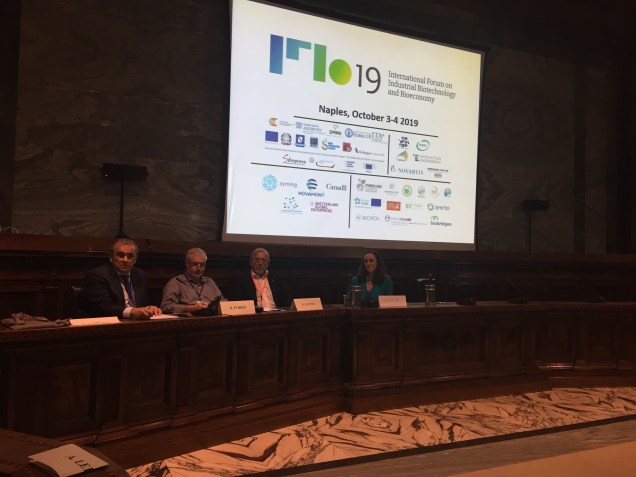 Three days of meetings, debates and presentations in Naples for IFIB from 2nd to 4th October. With around 250 participants from 30 different countries, the International Forum on Industrial Biotechnology and Bioeconomy is confirmed as a leading event of the circular bioeconomy in Europe.
Naples was truly the world capital of the bioeconomy, hosting innovative companies such as LanzaTech, Fater, Novamont, Terravesta, Pirelli and Sulzer, research centers such as National Research Council of Italy, VTT of Finland, Wageningen University and Fiat Automotive Research Center. And then: TEAGASC (Ireland), Frost & Sullivan (UK), European Forest Institute, OECD, Bioeconomy Cluster of Slovakia, Cluster Food+i (Spain), Irish Bioeconomy Foundation and many other world bioeconomy stakeholders.
The bioeconomy revolution is really unstoppable and I strongly believe that the best has yet to come! I would like to thank once again all friends and colleagues who join IFIB in Naples. It was amazing!
See you next year in Rome (stay tuned!)
MB
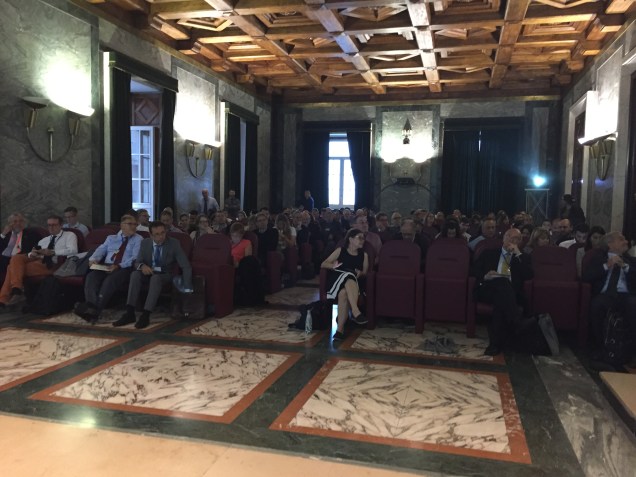


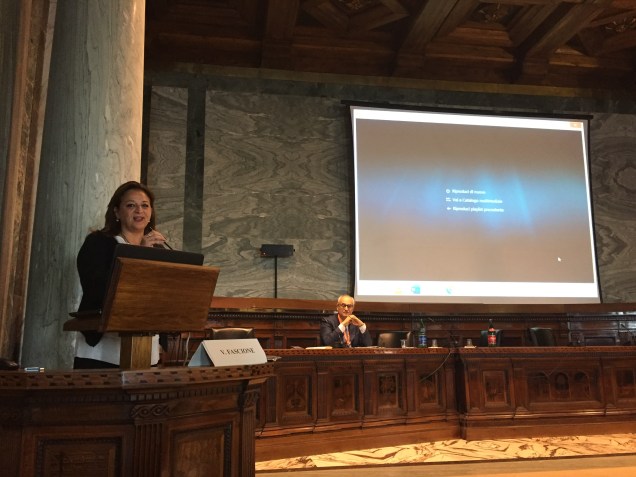



Naples is the world capital of the bioeconomy. The International Forum on Industrial Biotechnology and Bioeconomy (IFIB) is about to start today in the fascinating Italian city at the Congress Center of the University Federico II.
With more than 300 delegates in attendance from approximately 25 different countries from all around the world, the conference truly succeeds one more time in its ambitions aim to be one of the leading bioeconomy event at global level. Continue reading
 Evonik Venture Capital is investing in a start-up, Modern Meadow, which sustainably produces biofabricated materials that closely resemble leather, eliminating the need for animal skins. Modern Meadow has developed a technology to produce animal-free collagen, a protein naturally found in animal hides. The process involves fermentation using yeast cells.

The Office of Science Technology and Policy (OSTP) requests input from all interested parties on the U.S. Bioeconomy. According to OSTP, “the Bioeconomy represents the infrastructure, innovation, products, technology, and data derived from biologically-related processes and science that drive economic growth, promote health, and increase public benefit.”
 Travelers flying with SAS can now voluntarily choose to buy biofuel and so help reduce climate-affecting CO2 emissions by up to 80 percent. “The new non-profit service aims to pioneer a large-scale and competitive market for biofuel within aviation, in line with SAS’ sustainability strategy”, stated the Scandinavian airlines company.

Versalis, the chemical division of the Italian oil company Eni, confirms that it is in the process of implementing an action plan that will lead to a resumption of operations at the former biorefinery of Mossi Ghisolfi Group in Crescentino, which were acquired in November 2018. New 35 hires are expected by the end of the year.

