
Interview by Mario Bonaccorso
Interview by Mario Bonaccorso

Elopak, an international supplier of paper based packaging solutions for liquid food, based in Norway and wholly owned by the Ferd Group, and Stora Enso has launched the first gable top carton made from natural brown unbleached paperboard, creating the Naturally Pure-Pak® carton with a highly distinctive, natural look and feel.
 Starting in July, the airport buses at Helsinki Airport has been fuelled by diesel manufactured wholly from waste and residue. Finavia – a limited corporation owned fully by the Finnish state, which is responsible for maintaining and developing its 21 airports and Finland’s air navigation system – started a gradual conversion to using renewable diesel in all buses travelling between the terminal and aircraft at Helsinki Airport. It is also Finavia’s goal to encourage other companies operating at its airports to use renewable fuels.
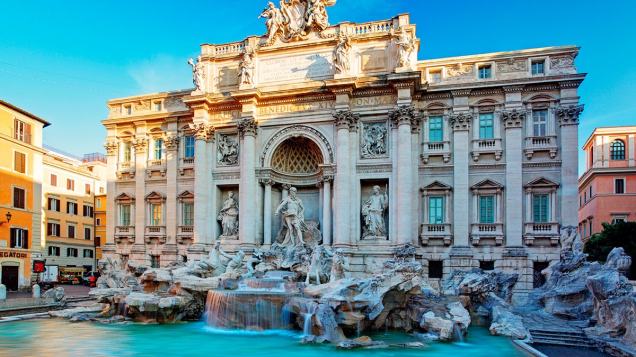
Rome will be the Euro-mediterranean capital of the bioeconomy for a couple of days. The Italian Forum on Industrial Biotechnology and Bioeconomy (IFIB) goes to the Italian capital from 5 to 6 October at the Palazzo Rospigliosi, in front of the House of the President of the Republic.
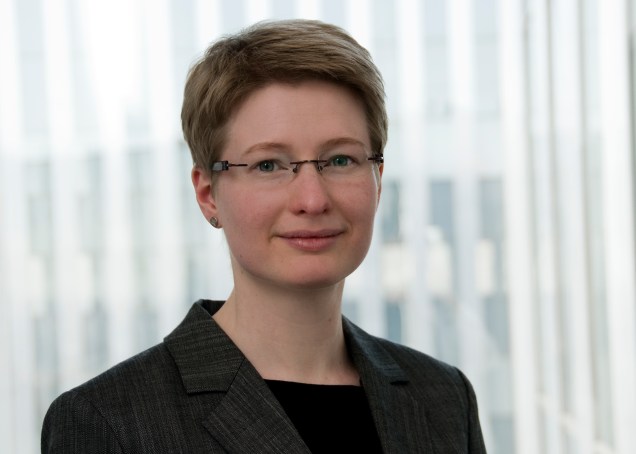 “Clusters can set an environment for investment and implementation. They can bring the right people together and help to identify both hurdles and how to overcome them, for example by scouting technologies or helping to find access to funding”. To say it – in this long and exclusive interview with Il Bioeconomista – is Tatjana Schwabe, scientific advisor at CLIB2021, the German cluster of industrial biotechnology based in Düsseldorf. With Schwabe with talk about the role of clusters in supporting the European bioeconomy.
Interview by Mario Bonaccorso


Italian oil giant Eni, the City of Turin, GTT (Gruppo Torinese Trasporti) and Amiat, an Iren Group company, have signed an agreement to launch a large-scale experimental project with Turin buses using Eni Diesel+, the new Eni fuel with a 15% of renewable component. Under the agreement, the Turin public transport company will pay Eni Diesel+ at the same price as the diesel fuel that its vehicles have used on the urban network up to now. This follows Eni’s success at the tender to supply the fuel for Turin’s buses.

 Finland is the cradle of the bioeconomy. And maybe someone could someday propose to change the name from Finland to Bio-land. The latest news is that buses in the Helsinki region and most of machinery and trucks used by the City of Helsinki are switching to waste and residue-based biofuels. Helsinki Region Transport HSL, the City of Helsinki and the producers of renewable fuels involved in the project are all pioneers in carbon-neutral transport. The project is internationally significant.

Last Thursday’s decision to pull out of the Paris Climate Agreement was short-sighted and contrary to the best interests of this country, not to mention disappointing and embarrassing.
It fails to respect the science on climate change. It abandons the best opportunity we have to protect the health and well-being of American families and our children’s future. It runs contrary to the advice of hundreds of business leaders and investors who want the U.S. to lean into climate action — not run away and bury our heads in the sand. And it neglects the wishes of nearly 70 percent of the American public who want strong actions to curb climate change.

