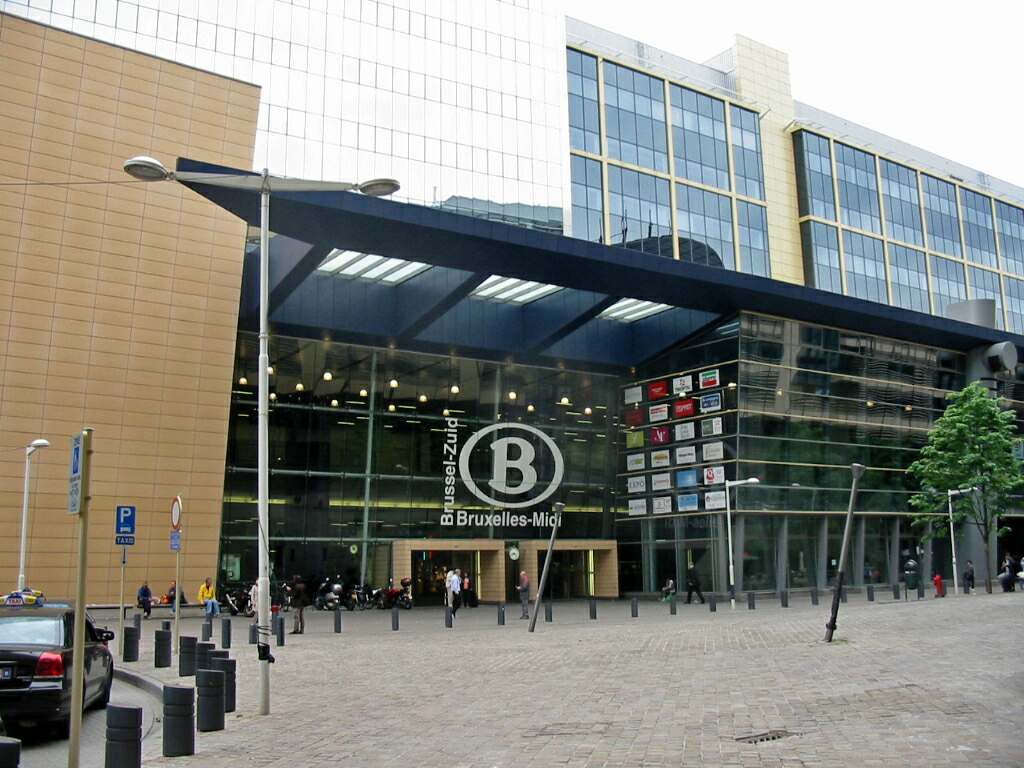
Si chiude l’edizione 2013 di Efib, il forum europeo sul biotech industriale e la bioeconomia che quest’anno ha avuto Bruxelles come citta’ ospitante. Si chiude con all’attivo un incremento delle presenze, ma soprattutto con un metasettore che chiede a gran voce una spinta sull’acceleratore della competitivita’ da parte dell’Unione europea.
Everything is ready in Brussels to host EFIB, the European Forum for Industrial Biotechnology and Bio-based economy organized by EuropaBio, the European Association for Bioindustries, and Smithers Rapra which will take place from September 30 to October 2, during the European Biotech Week (from September 30 to October 4), when events across Europe will celebrate biotechnology, an innovative and vibrant sector launched by the 1953 discovery of the DNA molecule, sixty years ago.
Basf, the world’s biggest chemical maker based in Ludwigshafen (Germany), agreed to buy Verenium Corp., a leading industrial biotechnology company focused on the development and commercialization of high-performance enzymes, to pursue growth in biotechnology and close the gap on market leaders DuPont and Novozymes in the $3 billion industrial enzyme industry.
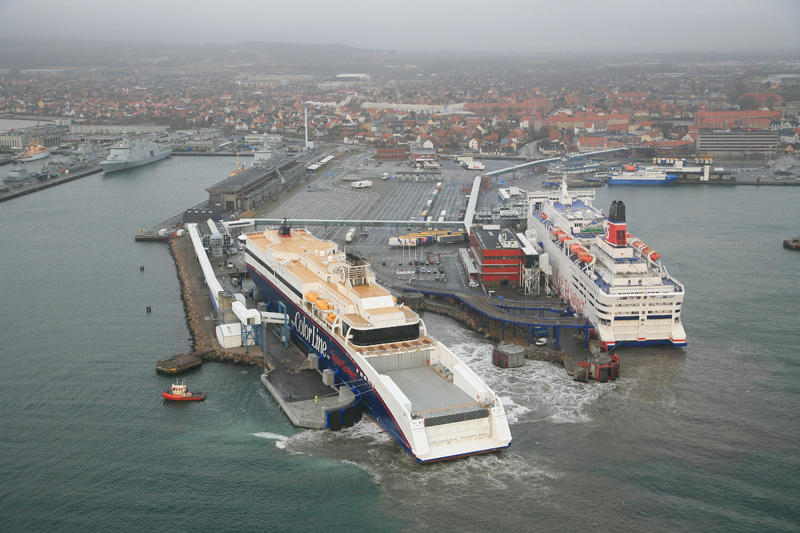
The Port of Frederikshavn, in Denmark, and Steeper Energy, a Danish specialist energy project and technology development company , along with Aalborg University has entered into a partnership to establish the world’s first biomass-based plant to produce a sustainable marine fuel. The plant will produce sulphur-free fully renewable fuel for the several thousand vessels passing through the port annually. A new zero-tolerance law on sulphur content as well as the general acceptance that every part of society must do its part for climate change are the keys for success, according to the consortium.
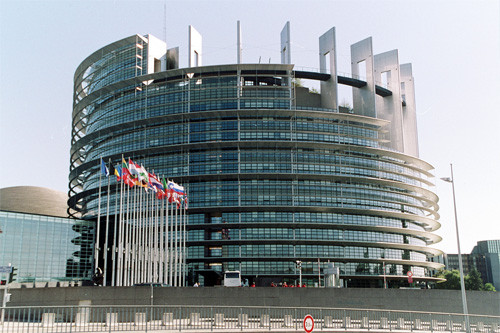
European Parliament, BrusselsThe European Parliament called for a cap on the use of traditional biofuels and a speedy switchover to new biofuels from alternative sources such as seaweed and waste, in a vote on draft legislation yesterday. So called “first-generation” biofuels – from food crops – should not exceed 6% of fuel used in transport by 2020, amending the target from 10%.The measures aim to reduce greenhouse gas emissions that result from the increasing turnover of agricultural land to biofuel production.
New proposals which aim to limit the percentage of biofuels that can be used in transport fuels continue to divide opinion among European policymakers and stakeholders.
The fuel quality directive and renewable energy directive proposal, adopted by parliament’s environment committee, include new rules that take into consideration the impacts of producing biofuel crops.
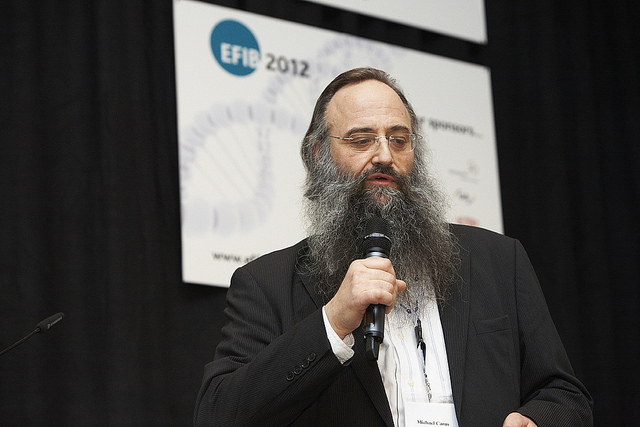
Michael Carus, managing director of the nova-Institut
“A comprehensive analysis of hurdles carried out by nova-Institut shows that the RED (which will in future be associated with the FQD – Fuel Quality Directive 9870 – in the transport sector) is one of the main causes of the longstanding and systematic discrimination between material and energy uses. The RED hinders the development of material use and therefore that of the whole bio-based economy. Unfavorable framework conditions combined with high biomass prices and uncertain biomass supplies deter investors from putting money into bio-based chemistry and plastics – even though these would produce higher value and greater resource efficiency”. To say it is Michael Carus, physicist and managing director of the nova-Institut, the German private and independent Scientific Institute specialized in the bioeconomy, one of the most prestigious at the European level. In this interview with Il Bioeconomista, Carus uses the phrase “Misallocation of biomass” to define the effects of the RED (Renewable Energy Directive), since “this is blocking higher value material uses like chemicals and plastics from coming to fruition”. And explains his point of view on the first generation vs. second generation biofuels issue.
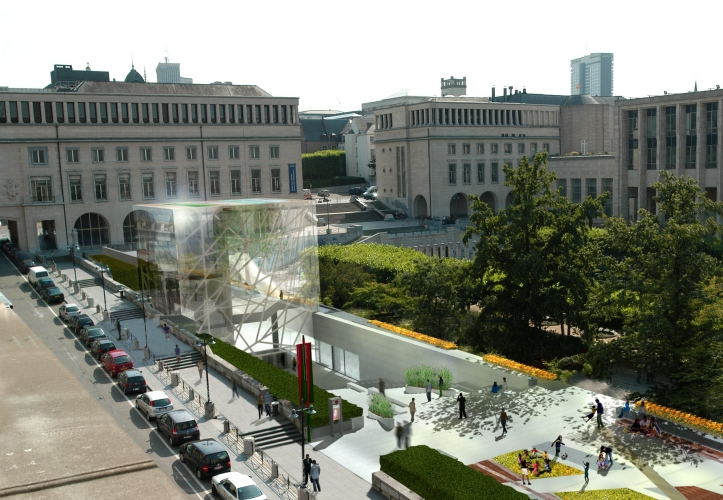
EFIB returns to Brussels. From 30th September to 2nd October the European Forum for Industrial Biotechnology and the Biobased Economy (EFIB) returns to Europe’s capital, where it was first launched 5 years ago. Since then, the event has grown tenfold in size but remains true to its goal of providing the premier meeting place for business and policy throughout the biobased value chain.
Naples, Southern Italy. In that part of the country that governments, since the Unification of Italy, have consciously and culpably left behind. Naples, a city that is the mirror of the Italic contradictions and of a South which is struggling to emerge: Naples the Rich, Naples the Poor, Naples the Noble, Naples the Plebeian, Naples and its many colors, Naples in black like the pitch which is brought by the boats of its sea.




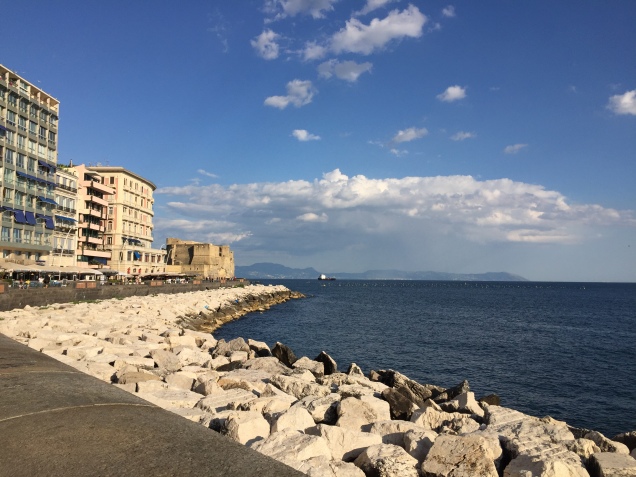 Naples, Southern Italy. In that part of the country that governments, since the Unification of Italy, have consciously and culpably left behind. Naples, a city that is the mirror of the Italic contradictions and of a South which is struggling to emerge: Naples the Rich, Naples the Poor, Naples the Noble, Naples the Plebeian, Naples and its many colors, Naples in black like the pitch which is brought by the boats of its sea.
