Our readers have voted. The most innovative bioeconomy CEO 2022 is Tom van Aken, CEO of Avantium, the Dutch company that is a pioneer in the emerging industry of renewable and sustainable chemistry. Avantium is headquartered in Amsterdam, employing approximately 200 people, with extensive R&D laboratories and three pilot plants in Geleen and Delfzijl, the Netherlands.
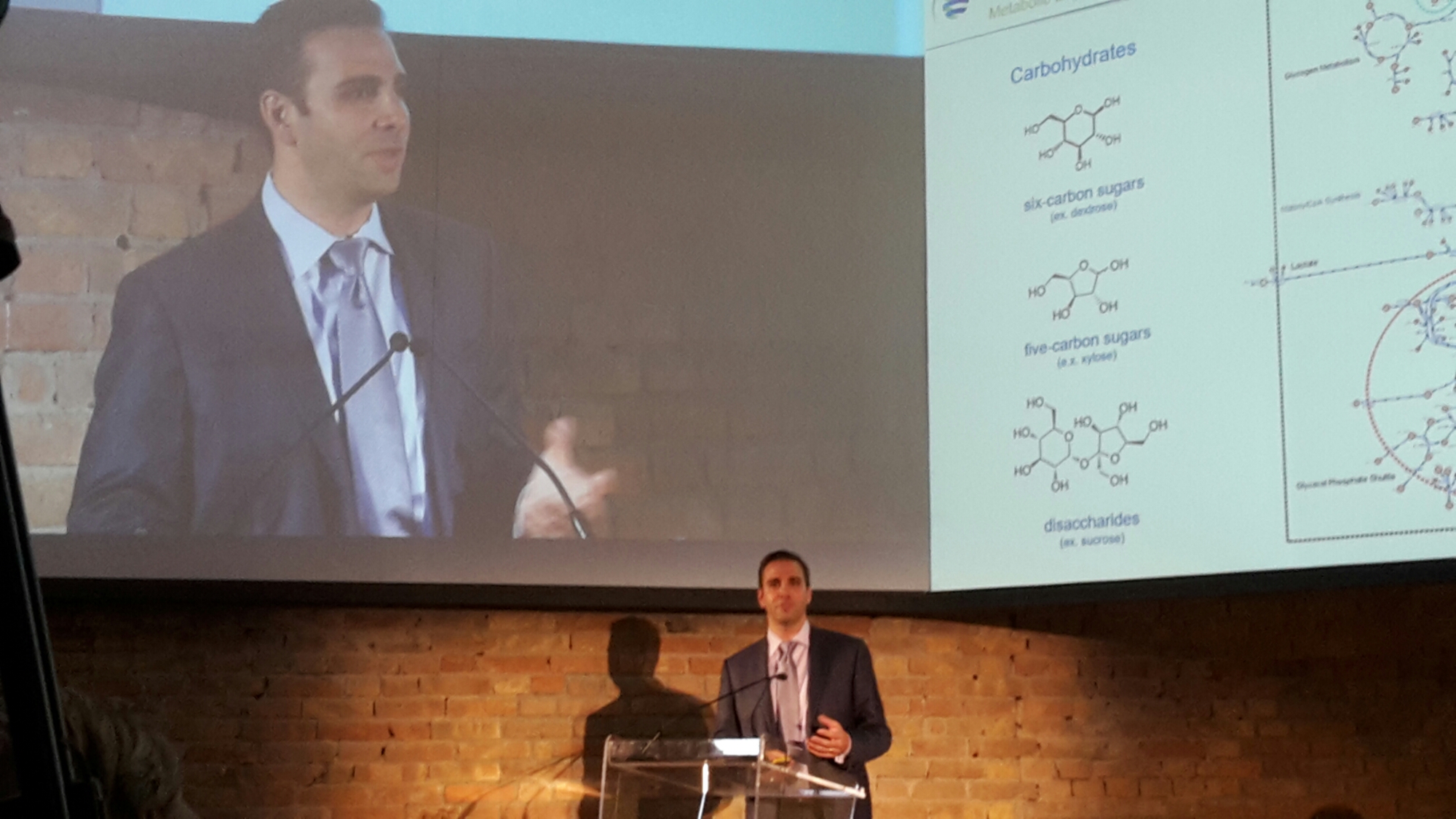
“Bioeconomy in everyday life” @ BioBased World 2015 in Frankfurt am Main
The circular bioeconomy is innovation, the result of the skills and passion of researchers and managers able to create value and new high-qualified jobs, reconciling economy, society and the environment. At the end of 2014 Il Bioeconomista launched a new initiative: The 10 Most Innovative Bioeconomy CEOs.
We have asked a panel of world bioeconomy experts to tell us the Chief Executive Officers that have stood out as the most innovative during the last year.
Now we ask you to choose the most innovative CEO responding to our survey (open till December 13 at 7 am, Western European Time).
The most innovative CEO 2016 was Ken Richards (CEO of Leaf Resources, Australia)
The most innovative CEO 2017 was Tony Duncan (CEO of Circa Group, Australia)
The most innovative CEO 2018 was Jürgen Eck (CEO of BRAIN AG, Germany)
The most innovative CEO 2019 was Alex Michine (CEO of MetGen, Finland)
The most innovative CEO 2020 was Simão Soares (CEO of SilicoLife, Portugal)
The most innovative CEO 2021 was Jennifer Holmgren (CEO of LanzaTech, USA)
This is the result of 2022 (in alphabetical order)
“France has been involved and promoted the bioeconomy for a long time, even before the word bioeconomy was used. The effort for supporting valorization of biomass for producing energy chemicals and materials started in the 90’s with a dedicated agency so-called AGRICE”. To say this – in this exclusive interview with Il Bioeconomista – is Florent Allais, President of the Centre Européen de Biotechnologie et de Bioéconomie based in Pomacle. With Prof. Allais we talk about the French and the European bioeconomy, the role of research and technology transfer and the importance of collaborations at European level.
German chemical giant Basf presented its current research projects and examples of innovation for various value chain steps. The event focused on technologies where microorganisms contribute to greater sustainability. Our researchers worldwide are working on innovative solutions to tap alternative raw material sources and to develop climate-friendly production processes and products, said Melanie Maas-Brunner, member of the Board of Executive Directors of Basf SE and Chief Technology Officer.
Headquarter of Royal DSM in Heerlen (The Netherlands)
Royal DSM, a global purpose-led science-based company, confirms that its target to cut scope 1 and 2 greenhouse gas (GHG) emissions has been determined to be in line with the latest climate science and in keeping global warming to no more than 1.5°C by the Science Based Targets initiative (SBTi).
Neste, the world’s leading producer of renewable diesel and sustainable aviation fuel produced from waste and residue raw materials, has agreed to acquire the used cooking oil (UCO) collection and aggregation business and related assets in the United States from Crimson Renewable Energy Holdings, LLC. The transaction includes shares in SeQuential Environmental Services, LLC, and Pure, LLC, as well as a UCO processing plant in Salem, Oregon. The transaction is subject to the fulfillment of customary closing conditions and regulatory approval.
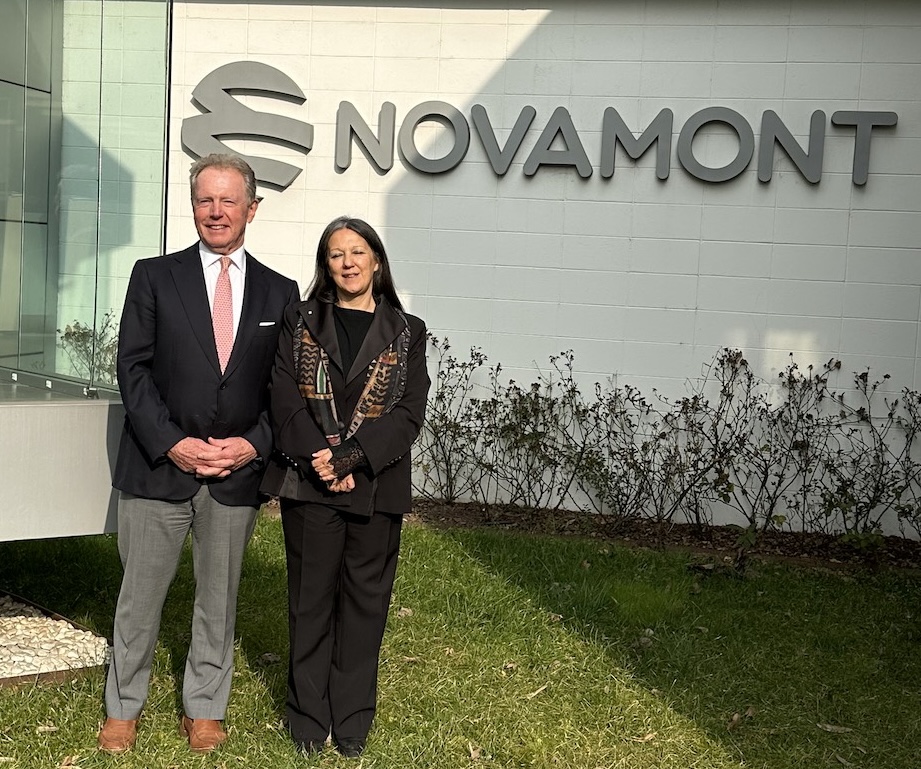
Horizon 2020 Embraced Project was protagonist at Ecomondo in Rimini last week. Hosted and organised by Novamont, the event offered the opportunity to present to a selected public made of stakeholders, professionals and policymakers the final achievements of this project started in June 2017.
Thomas Philipon and Mr. Hong showcasing the Luminy PLA based noodle cups .
Be Good Friends (BGF) and TotalEnergies Corbion entered a long-term collaborative arrangement for application development and the supply of Luminy® PLA. Both leading bioplastic companies are focused on the development and production of biodegradable materials and products.
Evonik, one of the world’s leading silica producers, entered a strategic cooperation with the Pörner Group, Austria, and Phichit Bio Power Co., Ltd., Thailand, to supply sustainable ULTRASIL® precipitated silica to tire manufacturers. The key raw material for the sustainable silica is sodium silicate, which is derived from rice husk ash (RHA), an agricultural waste product, and produced exclusively with green energy.
Stora Enso launched Sylva™ by Stora Enso to meet the demand for sustainable and innovative construction solutions,. Sylva is a massive wood building kit comprising pre-manufactured, custom-made applications delivered just-in-time to the building site. The solution enables faster construction, reduced costs, more efficient use of raw material and fewer emissions than concrete or steel.