Evoco is an innovative cleantech company. Its CEO, Jason Robinson, talks to Il Bioeconomista. “We’re focused on developing and producing renewable, sustainable and plant-based chemistry as alternatives to petroleum-based materials and products”, he tells us.
Houston-based Kinder Morgan is partnering with Finnish company Neste to create a raw material storage and logistics hub in the United States that will support increased production of renewable diesel, sustainable aviation fuel, and renewable feedstock for polymers and chemicals.
Upon completion of the project, Kinder Morgan’s Harvey, La., facility will serve as the primary hub where Neste will store a variety of raw materials, including, for example, the used cooking oil it collects from more than 40,000 restaurants across the United States, the company said.
Univar Solutions Inc., a global chemical and ingredient distributor and provider of value-added services, signed a new agreement with Novozymes, expanding their relationship to include biological solutions for waste and wastewater treatment in the United States and Canada. Longtime global partners, the new agreement follows previous announcements expanding the partnership into a range of markets in the United States, Canada and Latin America.
Braskem the largest biopolymer producer in the world has signed a memorandum of understanding (MOU) with the SCG Chemicals, one of the largest integrated petrochemical companies in Thailand and an industry leader in Asia, to perform studies to jointly invest in a new bio-ethanol dehydration plant in Thailand to produce bio-ethylene and I’m greenTM bio-based Polyethylene. If implemented, this cooperation could double the existing capacity of I’m greenTM bio-based PE.
Total Corbion PLA’s plant in Rayong Thailand has, since its grand opening in 2019, earlier this summer reached a cumulative production volume of 100kT of Luminy® PLA. The plant is now running at name plate capacity of 75kT annually in order to meet the evergrowing demand for PLA bioplastics.
Cargill and German company HELM entered into a joint venture, Qore, to help leading brands replace fossil-based chemistries with bio-based intermediates, enabling them to reduce their greenhouse gas emissions. As part of the agreement, both companies are investing a combined $300M to build the first commercial-scale, renewable BDO facility in the U.S. Bio-based intermediates give the apparel, automotive, electronics and packaging industries the ability to improve their environmental footprint without sacrificing product performance or altering their existing downstream manufacturing processes.
Carbon transformation company Twelve and biotechnology company LanzaTech partnered to transform CO2 emissions into polypropylene, a key polymer used for medical devices including syringes and IV bags, as well as for large-scale applications in automotive, furniture, textiles and other everyday products.
Comet Bio, a Canadian manufacturer of healthy and sustainable ingredients, completed the company’s Series C with an initial close of $22M. The round was led by Open Prairie, a multi-faceted private equity fund management firm with headquarters in Effingham, Illinois. Other investors include Louis Dreyfus Company (LDC), BDC Capital, and existing investor Sofinnova Partners.
“Thanks to the support of our exceptional investors, we will now be able to invest in a dedicated manufacturing facility to grow the supply of our upcycled ingredients,” said Rich Troyer, CEO of Comet Bio. “We will also be investing in innovation including our product pipeline and health claims development.”
Amyris, a US leading synthetic biotechnology company in Clean Health and Beauty markets, launched Terasana Clinical, a clean skin care brand. The launch represents the first of three the company has prepared this summer. Terasana Clinical’s first skincare product, Clear + Control Healthy Skin Serum – the company claims – addresses dry skin, flaking, irritation and redness with its moisturizing and anti-inflammatory properties which are designed to clear and balance the skin’s appearance.
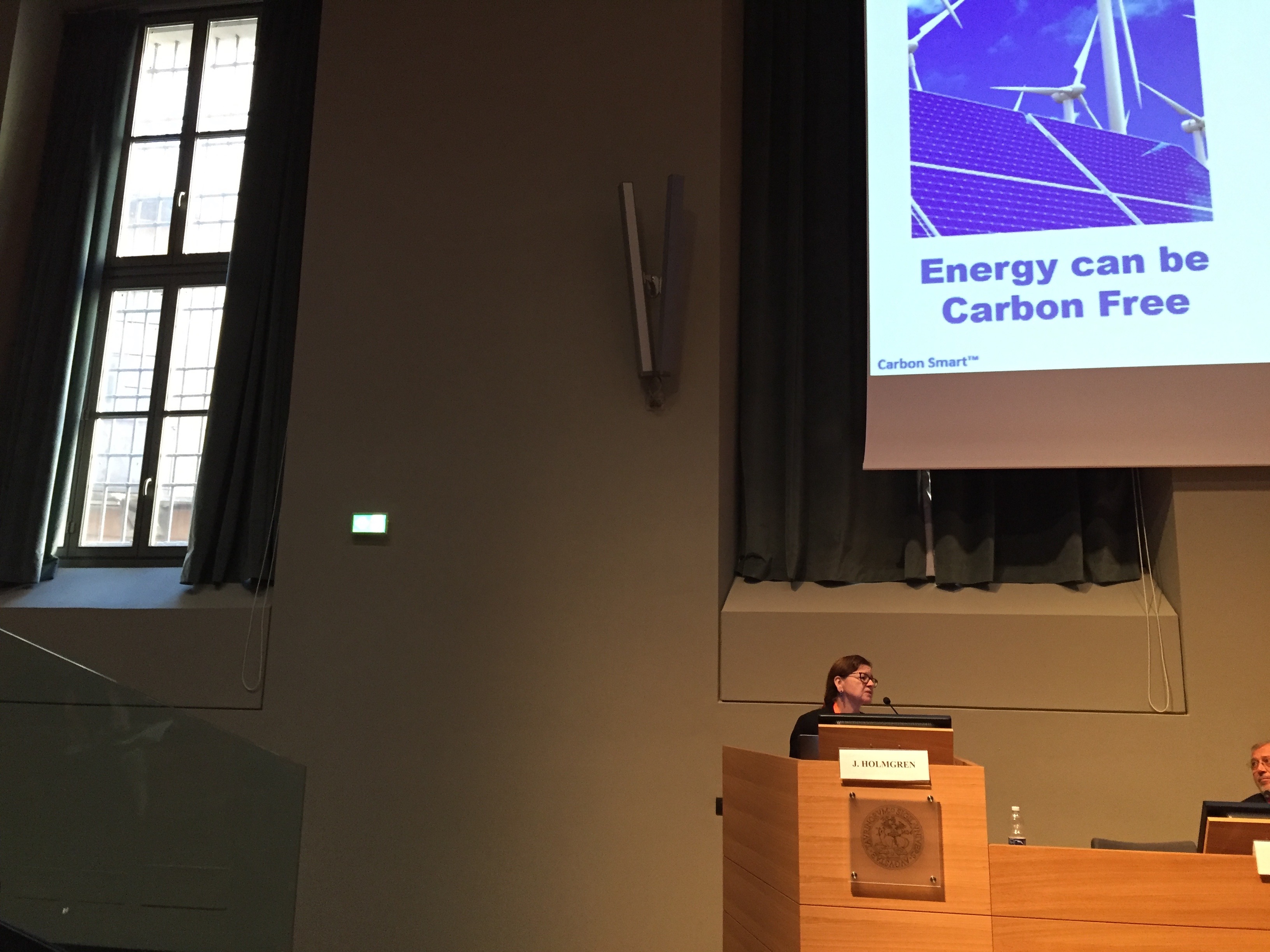
Christophe Schilling, CEO of Genomatica during his speech at the Grand Opening of Mater Biotech’s plant in Bottrighe di Adria, Italy
lululemon Athletica inc. signed a multi-year collaboration with sustainable materials leader Genomatica to bring renewably-sourced, bio-based materials into lululemon’s products. This represents lululemon’s first-ever equity investment in a sustainable materials company and Genomatica’s largest partnership within the retail industry. Together, the two companies will create a lower-impact, plant-based nylon to replace conventional nylon, which is the largest volume of synthetic material currently used to make lululemon products.