According to Reuters, EU antitrust regulators have raided several bioethanol companies suspected of fixing prices and at the same time stepped up their two-year investigation into possible rigging of biofuel price benchmarks by including a company in Spain in the case.
Kuraray expands into bio-based barrier materials through the acquisition of Plantic.
The Japanese chemical company was the first to commercialize the high-performance barrier resin, EVAL (ethylene vinyl alcohol copolymer), which it launched in 1972. EVAL boasts the highest level of gas barrier properties of all plastics and is the market leading barrier resin used in food packaging and industrial barrier applications. In addition Kuraray has developed and launched KURARISTER a transparent barrier film for retort applications.
Amyris, Inc., a global renewable products company providing sustainable alternatives to a variety of non-renewable resources, and Squalan Natural Health B.V., a privately held, personal care product company based in The Netherlands, have entered into agreements for the production and marketing of Neossance Squalane-based personal care products.
The partnership between Amyris and Squalan accelerates development and market penetration of skin care and personal care products containing Amyris’s Neossance Squalane, which is produced from plant sugars. Under this new relationship, Squalan will market and sell Neossance-based products to retailers and consumers, primarily in the European Union.
With less than one month to go before the official opening of Milan Expo 2015, almost nine million tickets have already been sold and organizers say the event is set to shine. The food-themed universal exposition runs from May 1 through October 31 with a record 53 single-nation pavilions, along with nine clusters representing about 90 countries and theme-based pavilions. About 140 countries in all will participate in Milan Expo 2015, under the theme: Feeding the Planet, Energy for Life. Some 20 million visitors are expected to join in on events that are based on promoting a sustainable global food system and fighting hunger. All these visitors will support the bioeconomy. Why?
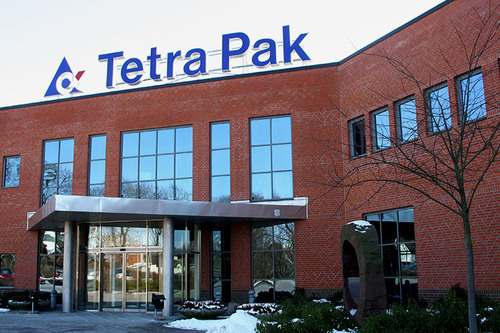
Following its successful introduction with Finnish dairy Valio, the world’s first fully renewable package, Tetra Rex Bio-based, is now being rolled out to customers worldwide.
Global Bioenergies, French biotech compamy that is developing a process to convert renewable resources into hydrocarbons through fermentation, announces having obtained a 4.4 million euro loan from a consortium managed by BNP Paribas, Société Générale, CIC and Bpifrance to complete the financing of its demo plant in Germany. The loan, reimbursable over 5 years, is covered by guarantee funds of the Ile-de-France Region. The construction phase began yesterday and will last one year.
The comfortable and generously-sized Kuskoa Bi is the first chair on the market to be manufactured in bioplastic. Its particularly enveloping shell, cut out in such a way as to optimize back and arm support, is delicately placed on a solid wood trestle. The designer is Jean Louis Iratzoki. The manufacturer is Alki, a French company.
Nine partners, under the consortial leadership of German chemical giant Basf, will collaborate to develop cost and energy-efficient technologies for water purification, removal and product-recovery needed to support downstream processing in white biotechnology. This consortium of companies in the European process industry from the areas of biotechnology, renewable resources, chemistry, process engineering, equipment supply as well as research organizations recently launched project PRODIAS (PROcessing Diluted Aqueous Systems). The project focuses on unlocking the potential of renewable-based products made via white biotechnology, by significantly decreasing production costs, increasing productivity and efficiency, lowering energy consumption, and accelerating process developments.
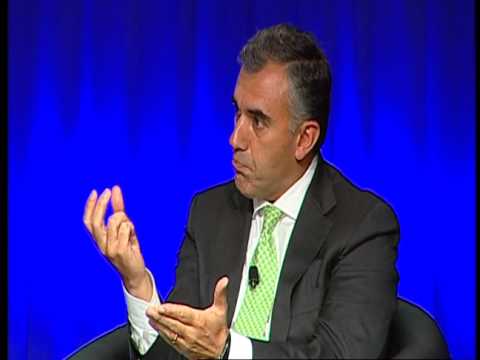
Michael Carus, managing director of the nova-Institut. Copyright: nova-Institut 2014
We receive and publish with pleasure this comment by Michael Carus, managing director of the nova-Institut, regarding our exclusive interview with John Bell, Director of Bioeconomy Directorate, European Commission.
We are glad to promote the debate.
Dear Mario,
with interest, we read your interview with John Bell. While we were glad to read that DG RTD is now somewhat recognizing the adverse effects of the RED, we found the later parts of the statement concerning the RED still too short-sighted. They make clear why the sector of chemicals and materials is developing so slowly and why we are losing shares of worldwide investment.
For the eighth year running the Innovation Award “Bio-based Material of the Year” will be awarded to the young, innovative bio-based material industry, finding suitable applications and markets for bio-based products. The competition focuses on new developments in these areas, which have had (or will have) a market launch in 2014 or 2015. The winners will be elected at the International Conference on Bio-based Materials, 13-15 April 2015 in Cologne, Germany, organised by nova-Institut. This year, six bio-based materials and products have been nominated for the Award by the advisory board – out of 24 submitted products. The nominated companies are from the United Kingdom, the United States and Germany.