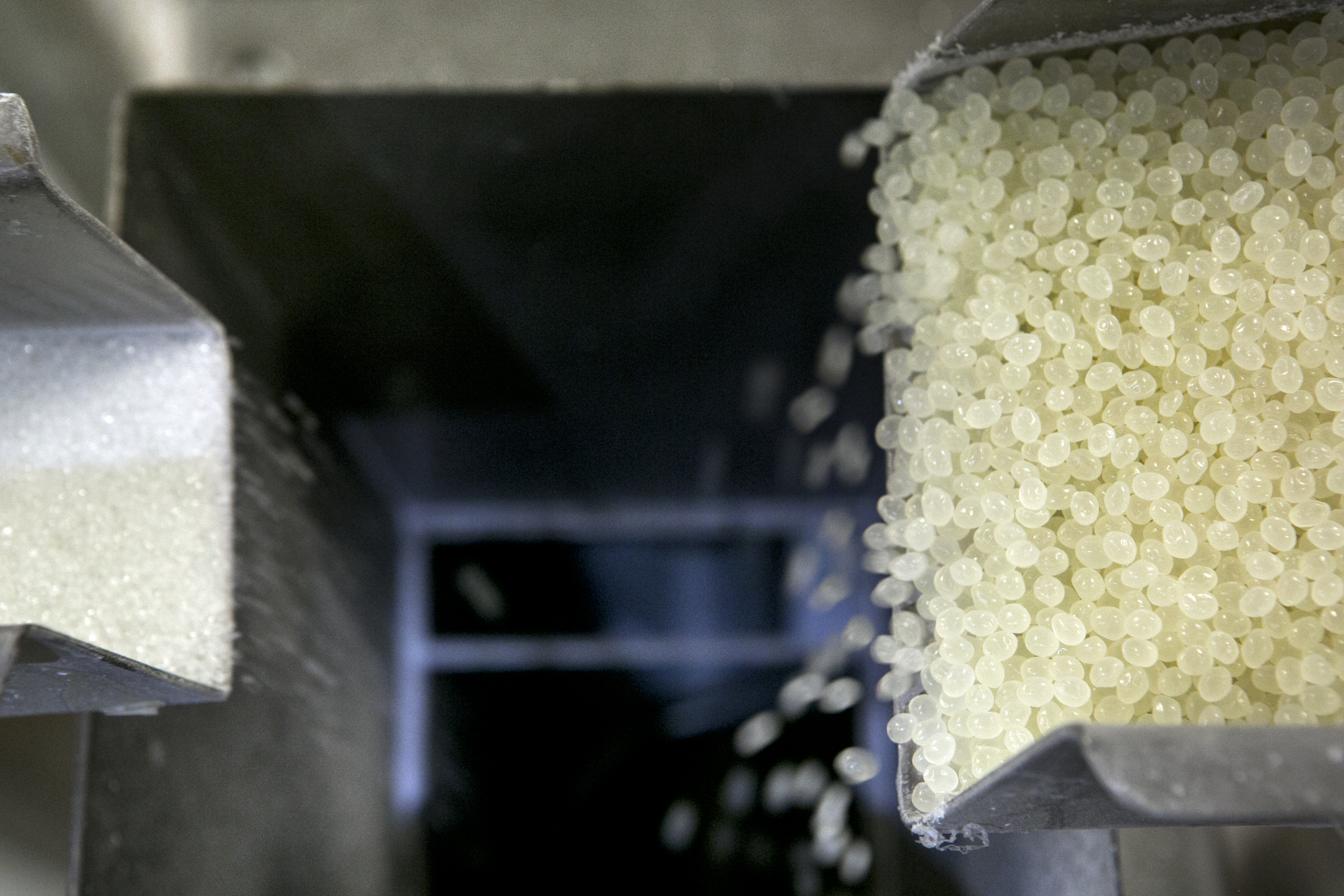
A year-long experimental trial in Spanish greenhouses by Bayer CropScience has confirmed that using twine and clips made from Novamont’s compostable bioplastic Mater-Bi contributes to solving the problem of the end-of-life of waste products in agricultural crops.
UPM Biochemicals launched a new range of bio-based plant stimulants, UPM SolargoTM. This launch marks UPM’s entry into the large and profitable agrochemicals market with an innovative, sustainable alternative to fossil raw materials-based products.
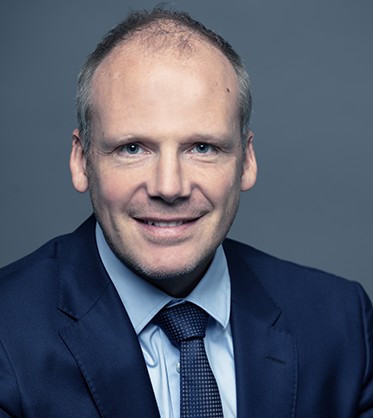
“This phrase by Robert Schuman, founder of Europe, has marked my political commitment from the start. “Europe will not be made all at once, or according to a single plan: it will be built through concrete achievements which first create a de facto solidarity.” It summarizes Schuman’s pragmatic and progressive approach to building European unity, starting with specific projects that could bring nations together and build a basis for cooperation and mutual trust. The analogy with the Bioeconomy is perfect.” To say this – in this exclusive interview with Il Bioeconomista – is Franck Leroy, the President of the Grand Est Region in France, one of the leading bioeconomy regions at European level. He talks about the role of the bioeconomy fur the future of the Region is governing, for France and for the European Union, inviting all our readers to vote for the next election of the EU Parliament (and we fully support his invitation). “It is therefore essential – he states – that public policies are consistent with each other, to foster innovation and the development of the Bioeconomy in our territories, in our countries, and in our continent. And I believe that the regional level is undoubtedly the most relevant level to intersect all these ambitions.”
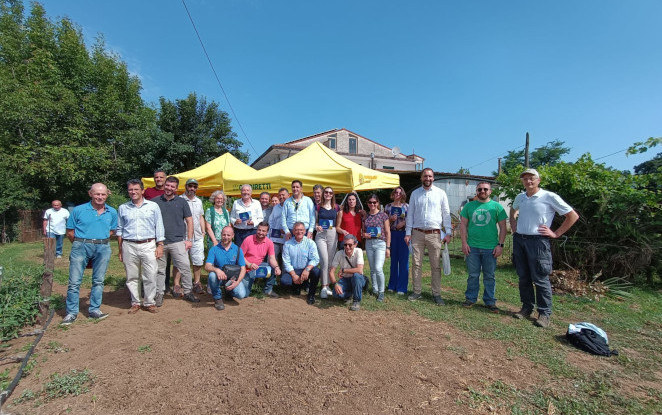
On 6 and 7 July, the partners of B-FERST, a project financed by Bio Based Industries Join Undertaking (now CBE JU) under the Horizon 2020 program, met in Caserta to discuss developments in project activities and define the following actions to be undertaken.
AFYREN, a greentech company that offers manufacturers bio-based, low-carbon ingredients produced using unique fermentation technology based on a completely circular model, and CEARITIS, a sustainable agriculture start-up, have signed a partnership to support the development of an innovative biocontrol device to protect orchards.
The two companies, which share the same values and commitment to environmental sustainability, have joined forces to offer tree-crop growers an innovative and biodiversity-friendly alternative to insecticides.
“The science is very clear that it’s impossible to meet our climate targets without reducing animal agriculture. A study led by Oxford University found that – even if fossil fuel emissions were eliminated immediately – the world cannot meet its Paris Agreement targets without shifting away from conventional animal agriculture. Plant-based and cultivated meat let people keep eating the steaks, sausages and meatballs they love with a fraction of the environmental impact, and they free up space for more sustainable farming practices.” To say it – in this interview with IlBioeconomista – is Alex Holst, senior policy manager at the Good Food Institute Europe. He talks about the role of plant-based and cultivated meat in limiting our impact on climate change.
Novozymes, the world leader in biological solutions headquartered in Denmark, is entering the biocontrol segment of agriculture with promising enzyme-based technology – expanding beyond its current base of microbial products and innovation. The new technology – the company claims – has broad potential to control major pests that impact the agricultural industry and are responsible for billions of dollars of damages each year.
Versalis enters the market for bio-based products in the agriculture sector for the protection of crops. Thanks to an agreement with AlphaBio Control, a research and development company with offices in the United Kingdom and Italy specialised in the production of natural formulations for the protection of crops with its products already known in the pesticides market, Eni’s chemical company will develop bio-based and biodegradable herbicides and also biocides for the disinfection of surfaces, using as active ingredient productions from the bio-chemical platform in Porto Torres, Sardinia.
Syngenta and Novozymes are entering the commercialization phase of the biofungicide Taegro. The two companies originally joined forces in 2012 to develop and market the product, and have now received the first wave of product approvals in Belgium, Bulgaria, Czech Republic, France, Germany, Greece, Honduras, Italy, Netherlands, Romania, Slovenia, Spain, and United Kingdom. Several other approvals are expected across the EU and Latin America during the next 12 months, which will enable multiple product launches in 2020.
The bioeconomy in the United States of America takes another relevant step forward, investing not only in the development of bioproducts but also in education and training. The U.S. Department of Agriculture (USDA) yesterday announced the availability of $21 million to support the development of regional systems in sustainable bioenergy and biobased products, as well as education and training for the next generation of scientists that will expand availability of renewable, sustainable goods and energy. This funding is available through the Agriculture and Food Research Initiative (AFRI), authorized by the 2014 Farm Bill and administered by USDA’s National Institute of Food and Agriculture (NIFA).



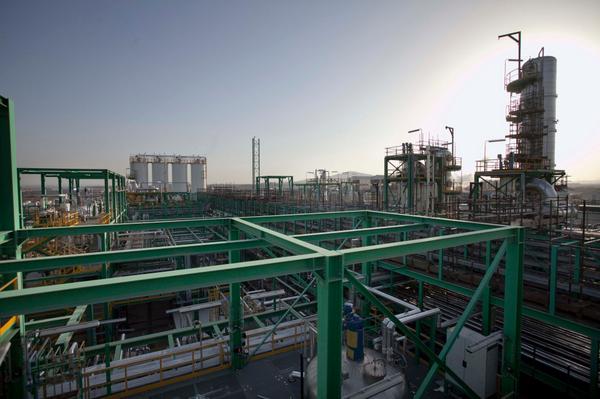
 Syngenta and Novozymes are entering the commercialization phase of the biofungicide Taegro. The two companies originally joined forces in 2012 to develop and market the product, and have now received the first wave of product approvals in Belgium, Bulgaria, Czech Republic, France, Germany, Greece, Honduras, Italy, Netherlands, Romania, Slovenia, Spain, and United Kingdom. Several other approvals are expected across the EU and Latin America during the next 12 months, which will enable multiple product launches in 2020.
 IL BIOECONOMISTA