EFIB returns to Brussels. From 30th September to 2nd October the European Forum for Industrial Biotechnology and the Biobased Economy (EFIB) returns to Europe’s capital, where it was first launched 5 years ago. Since then, the event has grown tenfold in size but remains true to its goal of providing the premier meeting place for business and policy throughout the biobased value chain.
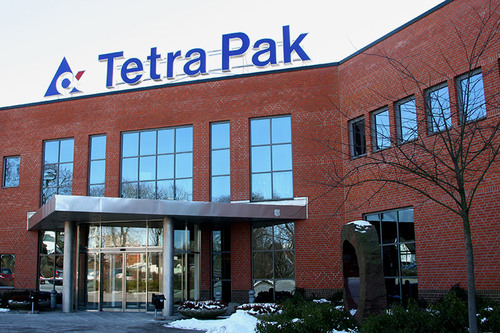
The bio-based revolution extends to the carton packaging industry. In a first for this field, Tetra Pak, the Swedish multinational giant with net sales in 2012 of 11.15 billion euros, plans to sign an agreement with Braskem, the largest thermoplastic resins producer in the Americas, for the supply of low-density polyethylene (LDPE) made from sugar cane to its packaging material factories in Brazil.
A fungus and E. coli bacteria have joined forces to turn tough, waste plant material into isobutanol, a biofuel that matches gasoline’s properties better than ethanol. University of Michigan research team members said the principle also could be used to produce other valuable chemicals such as plastics.
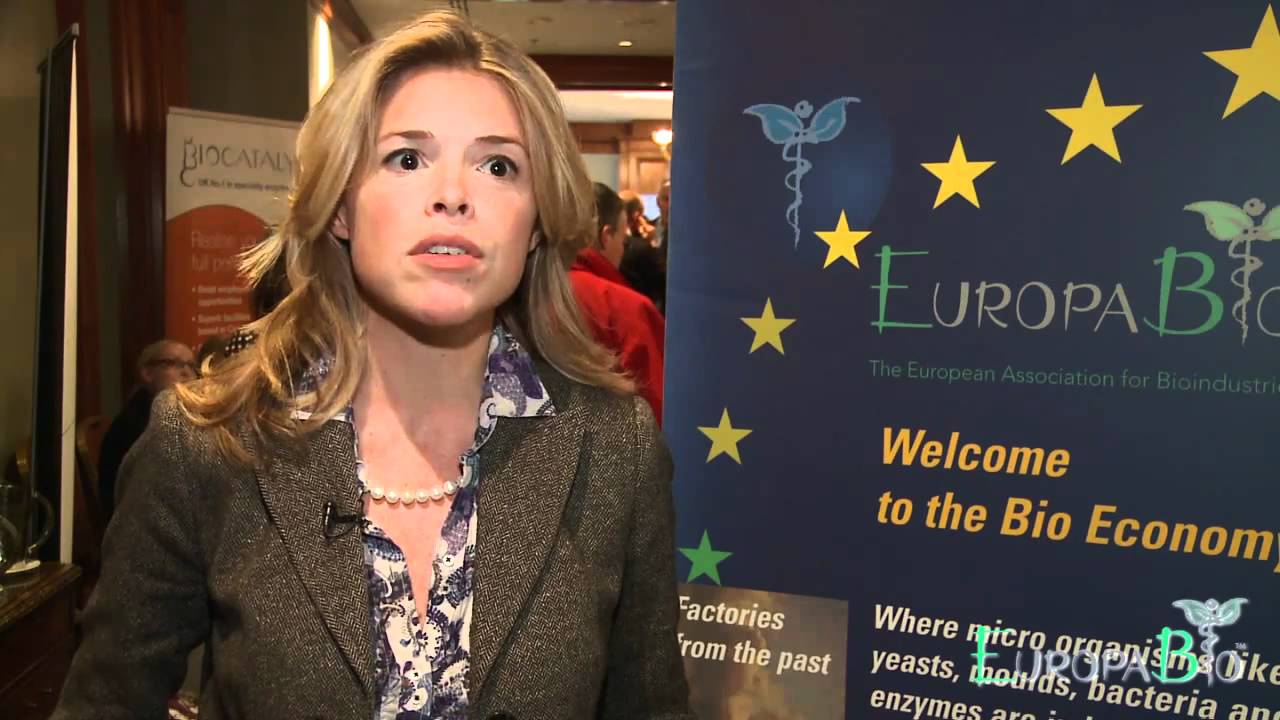
“We believe that EFIB (European Forum for Industrial Biotechnology and Bio-based Economy, editor’s note), taking place during the first European Biotech Week, contributes to increase the awareness of Europeans to the bioeconomy.” To say it is Nathalie Moll, Secretary General of EuropaBio, The European Association for Bioindustries, one of the organizers, with Smithers Rapra, of the event which will be held in Brussels from 30 September to 2 October. In this interview with Il Bioeconomista, Moll talks about EFIB – “a single platform for European business leaders, innovators and policymakers to meet, discuss and shape the future of the bioeconomy” – and the latest development of European Bioeconomy, focusing on the Public Private Partnership for Biobased industries (Bridge), “a multisector initiative whose vision is that of a society and economy which increasingly makes everyday products, such as food, feed, textiles, chemicals and fuels, from locally sourced biomass and wastes, rather than from fossil fuels.”
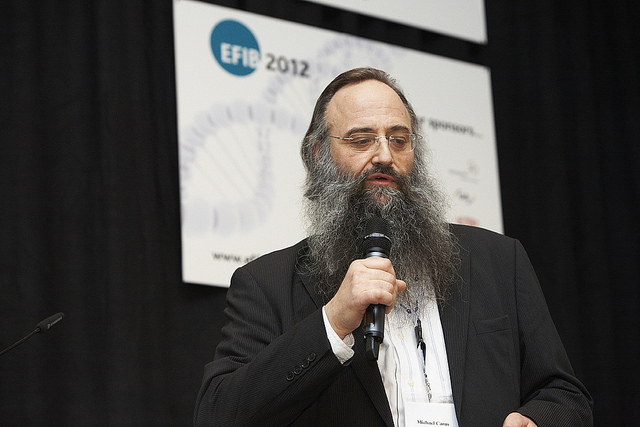
Michael Carus, managing director of the nova-Institut
Food or non-food: Which agricultural feedstocks are best for industrial uses? This is the title of the new paper published by the German nova-Institut led by Michael Carus, who is one of the author, together with Lara Dammer. In less than ten pages the two authors analyze one of the most controversial issues of the bioeconomy, also underlined by the recent decision of the European Parliament’s environment committee to limit the share of food-based biofuel used in cars and trucks to 5.5% of the total consumption. Continue reading →
The European Parliament’s environment committee voted last Thursday in favor of limiting the share of food-based biofuel used in cars and trucks to 5.5% of total consumption. It said the change would address concerns that biofuels of this kind are raising food prices and may not be as environmentally beneficial as originally hoped. However, it means that to meet its 2020 mandate that 10% of Europe’s transport energy comes from renewable sources, the bloc will be relying on a much-faster expansion of electric cars and commercially unproven biofuels made from nonfood crops.
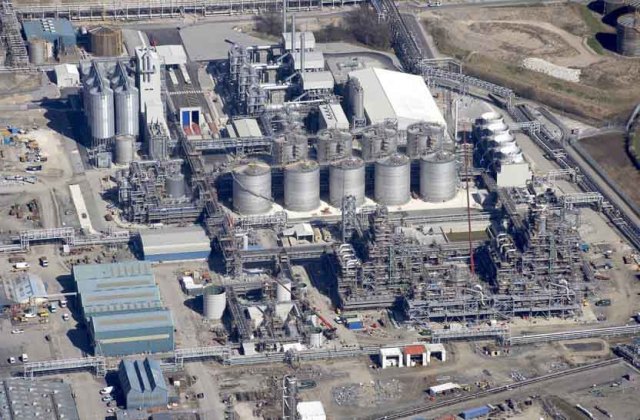
The £350 million Vivergo bioethanol plant in Hull (England) was officially opened this week by Vince Cable, Member of Parliament, Secretary of State for Business, Innovation and Skills. The new plant is the UK’s biggest bioethanol producer and largest single-source supplier of animal feed providing valuable commodities that the UK would usually import.
The Biobased Industries Consortium (BIC), a cross sector group of 48 large and small companies, has joined forces with the European Commission to set up an unprecedented Public Private Partnership worth 3.8 billion euros to accelerate the deployment of biobased products in Europe by 2020.
The Biobased Industries PPP is part of the European Commission’s Innovation and Investment Package that was released today in Brussels. The package is intended to stimulate the European economy, create jobs and tackle major societal challenges through research, innovation and deployment. Continue reading →
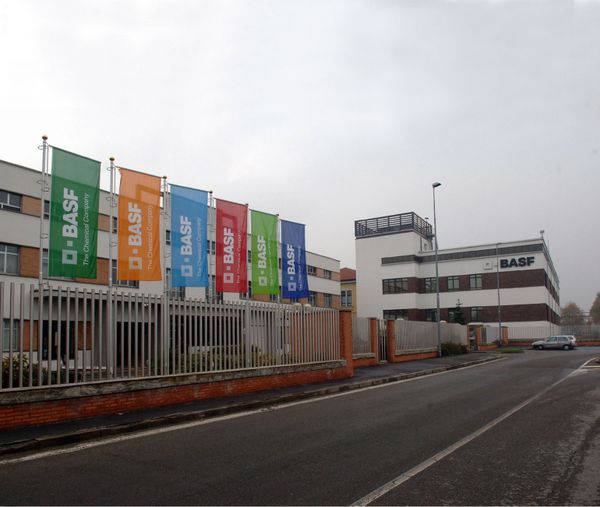
Italian Headquarter of Basf in Cesano Maderno (Milan)
Basf, Cargill and Novozymes have announced the achievement of an important milestone in their joint development of technologies to produce acrylic acid from renewable raw materials by successfully demonstrating the production of 3-hydroxypropionic acid (3-HP) in pilot scale.
3-HP is a renewable-based building block and one possible chemical precursor to acrylic acid. The companies also have successfully established several technologies to dehydrate 3-HP to acrylic acid at lab scale. This step in the process is critical since it is the foundation for production of acrylic acid. In August 2012, Basf, Cargill and Novozymes announced their joint agreement to develop a process for the conversion of renewable raw materials into a 100 percent bio-based acrylic acid.
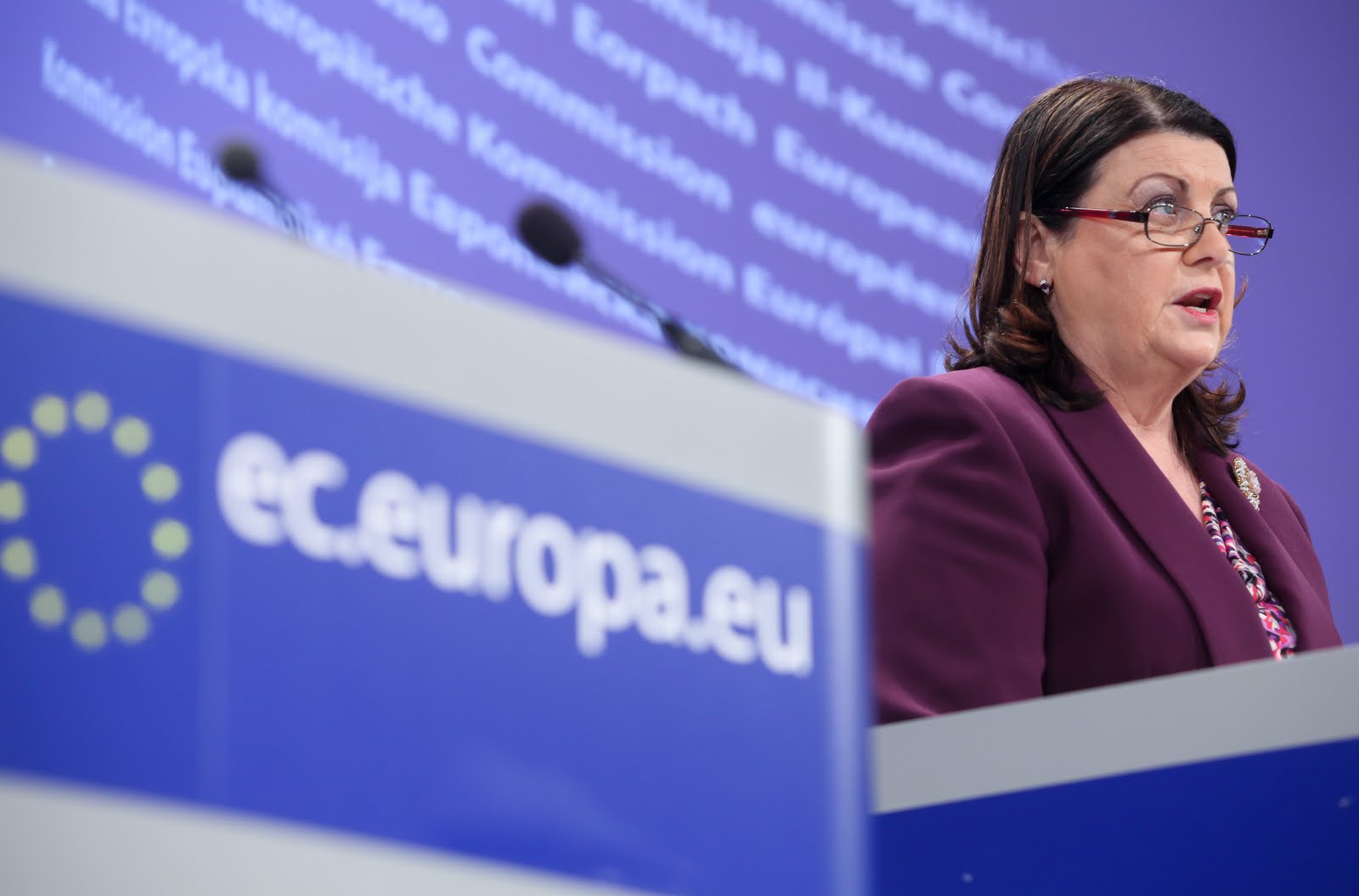
Berlaymont, European Commission’s Headquarter in Brussels
The European Commission has selected and appointed the 30 members of the Bioeconomy Panel, a new platform for informed discussions on the Bioeconomy.
These experts represent a wide variety of interests – scientific community and researchers, primary producers, industry, policy-makers, and civil society – and they are nominated for an initial mandate of 2 years.
Their role is to closely assist the Commission in the implementation of the Bioeconomy Strategy in Europe.




 IL BIOECONOMISTA