A year-long experimental trial in Spanish greenhouses by Bayer CropScience has confirmed that using twine and clips made from Novamont’s compostable bioplastic Mater-Bi contributes to solving the problem of the end-of-life of waste products in agricultural crops.
Versalis – Eni’s chemical company and a shareholder of Novamont (36%) – and Mater-Bi – a company controlled by Investitori Associati II and NB Renaissance – yesterday signed an agreement for Versalis to acquire the remaining 64% of Novamont’s shares currently held by Mater-Bi. Novamont is a leading international company in the field of chemistry from renewable sources. Next steps and the timing of closing are subject to approval by the competent authorities.
Versalis, Eni’s chemical company and 36% shareholder of Novamont, and Mater-Bi, a company controlled by Investitori Associati II and NB Renaissance, shareholder of Novamont’s remaining 64%, announce exclusive negotiations to finalise the acquisition by Versalis of Novamont’s entire share package.
The Giro, one of three three-week Grand Tours that include the Tour de France and Vuelta a España, goes green. After the success of the first edition in 2016, the Ride Green project will once again accompany this year’s Giro d’Italia, the competition which for 100 years has showcased sporting competitiveness, the passion of the race fans and the beauty of Italy.
Mater-BiNovamont has exercised its option to acquire the remaining 22% of the share capital of Mater-Biopolymer srl. The Bioplastics firm headquartered in Novara, Northern Italy, acquired in 2014 a majority stake (78%) in the company that operates a resin plant in Lazio, Central Italy, and was a unit of PET resin maker Gruppo Mossi Ghisolfi.
We can now drink our espresso and support the bioeconomy and circular economy, thanks to a wholly biodegradable and compostable coffee capsule for espresso machines. Once consumed, it can be collected with the organic waste and processed industrially to become compost. This is the circular economy principle of zero waste, according to which all used products can return to being a resource, with significant environmental benefits. The project – created and used by two of the most popular Italian companies, Novamont and Lavazza – won the Ecomondo Sustainable Development Award 2015 for the category “Waste and Resources”.
With less than one month to go before the official opening of Milan Expo 2015, almost nine million tickets have already been sold and organizers say the event is set to shine. The food-themed universal exposition runs from May 1 through October 31 with a record 53 single-nation pavilions, along with nine clusters representing about 90 countries and theme-based pavilions. About 140 countries in all will participate in Milan Expo 2015, under the theme: Feeding the Planet, Energy for Life. Some 20 million visitors are expected to join in on events that are based on promoting a sustainable global food system and fighting hunger. All these visitors will support the bioeconomy. Why?
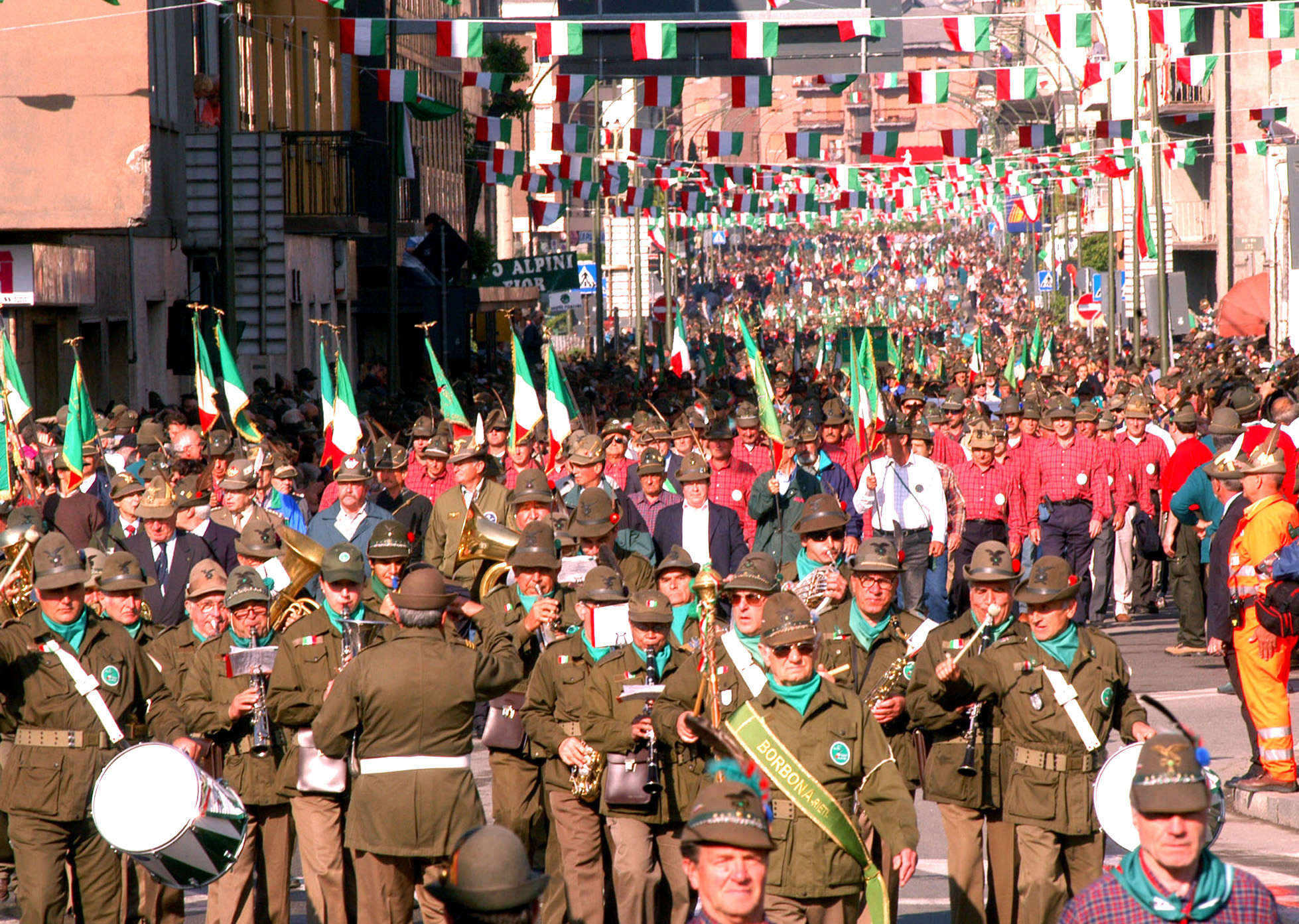
They made history in Italy with memorable feats of heroism, driven by the love for their country and by values that make theirs a unique outfit: this is the Alpine Corps, also known as the Black Feathers, which is holding its 87th muster from the 9th to the 11th of May 2014 in Pordenone. With 450,000 participants expected, producing around 350,000 kg of waste, the event has the potential to create a significant environmental impact. In order to alleviate the effect on the Pordenone ecosystem, the ANA (National Alpine Corps Association), the COA (Muster Organising Committee) and GEA, the Pordenone environmental services company, in collaboration with Novamont, global leader in the bioplastics field, have introduced different ecosustainable initiatives.
Novamont, the Italian leading company in the development and production of materials and biochemicals, with a turnover of 135 million euros in 2012, has unveiled the first product made from 4th generation Mater-Bi®, the family of biodegradable and compostable bioplastics designed to go beyond the product itself and become an opportunity to develop circular bioeconomies. It also aims to stimulate reindustrialisation through the development of integrated Biorefineries. It’s what was announced by the company in a statement.
 The Giro, one of three three-week Grand Tours that include the Tour de France and Vuelta a España, goes green. After the success of the first edition in 2016, the Ride Green project will once again accompany this year’s Giro d’Italia, the competition which for 100 years has showcased sporting competitiveness, the passion of the race fans and the beauty of Italy.
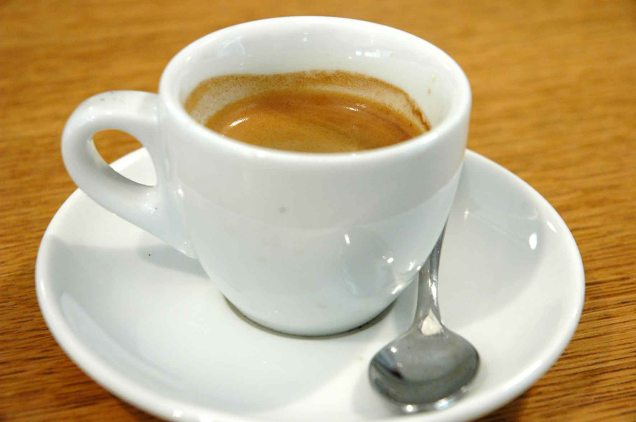 We can now drink our espresso and support the bioeconomy and circular economy, thanks to a wholly biodegradable and compostable coffee capsule for espresso machines. Once consumed, it can be collected with the organic waste and processed industrially to become compost. This is the circular economy principle of zero waste, according to which all used products can return to being a resource, with significant environmental benefits. The project – created and used by two of the most popular Italian companies, Novamont and Lavazza – won the Ecomondo Sustainable Development Award 2015 for the category “Waste and Resources”.

 IL BIOECONOMISTA