The Mossi Ghisolfi Biorefinery in Crescentino, Italy
The next economic development of Malaysia will be biobased. Brooke Renewables and Hock Lee Group – which has experience in manufacturing of industrial glue and plywood and has investment in oil palm plantation – have presented a Letter of Intent (LOI) to the state government, marking their intention to invest in the 2G (second generation) bioethanol and biochemical plant as the first phase of the Sarawak Biomass Hub project.
“We see Europe as leading the way in bio-based innovation. There is a much closer lens on renewable chemistry from consumers in the EU, which compels companies to act faster. In general, European corporations tend to be more progressive and take more of a longview perspective than those in the US”. To say it, in this exclusive interview with Il Bioeconomista, is Mike Hamilton, Ceo of Renmatix, a company based in Philadelphia (Pennsylvania, US), which is the leading technology licensor for the conversion of biomass into cellulosic sugar, an enabling feedstock for petroleum alternatives used in the global biochemical and biofuels markets. The company’s proprietary Plantrose process challenges conventional sugar economics by cheaply converting cellulosic biomass – from wood waste to agricultural residue – into useful, cost-effective sugars. With Hamilton we talk about Renmatix, Plantrose technology and bioeconomy.
SkyNRG Nordic, the partnership between SkyNRG and Statoil Fuel & Retail Aviation, announced the supply of the first commercial quantities of sustainable bio jet fuel to Avinor’s airport Gardermoen (Oslo) in 2015. Lufthansa has signed up for 5% sustainable bio jet fuel on more than 5000 flights annually. KLM Royal Dutch Airlines and SAS are also participating in the initiative.
ENI goes green. Oil giant reached an agreement with labour unions and Sicilian authorities on upgrading its oil refinery near the town of Gela to make it environmentally friendly. Under the deal ENI will invest 2.2 billion euros in the 60-year-old refinery to make it eco-friendly.
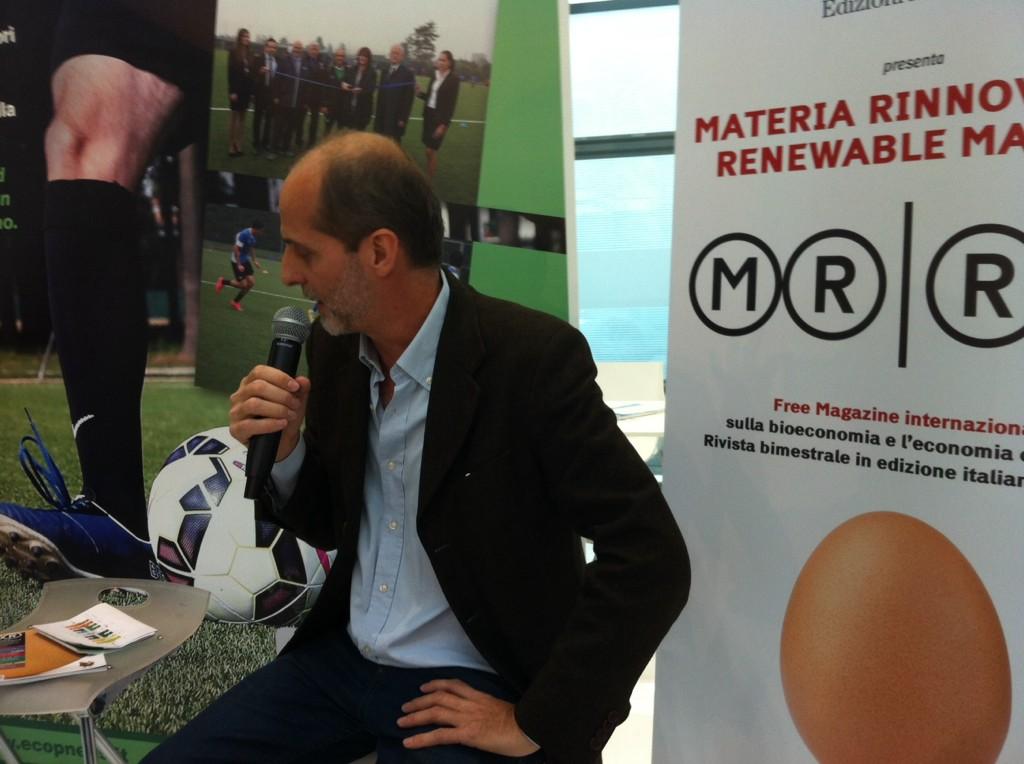
Renewable Matter. This is the name of a new International magazine dedicated to the bioeconomy and circular economy, published by Edizioni Ambiente, the leading Italian publisher on green issues. Available in an online edition, as well as in print edition, the magazine – which this month celebrates its first release – will be published bi-monthly.
Berlaymont, European Commission's Headquarter in Brussels
The Eurozone economy expanded by 0.2 percent in the third quarter, official data showed Friday, a slight acceleration that will do little to quell fears that a sluggish Europe is hurting world growth, Agence France-Press reported.
Norway's Minister of Climate and Environment, Tine Sundtoft, was among the passengers on board this milestone flight together with Norwegian’s CEO Bjørn Kjos
Last Tuesday, Norwegian – the second largest airline in Scandinavia and the third largest low-cost airline in Europe with approximately 4500 employees – carried out its first ever flight with biofuel. Norwegian’s flight DY631 from Bergen to Oslo took off with almost 50 percent biofuel; a flight that emits over 40 percent less than an average flight with regular fuel.
Headquarter of Royal DSM in Heerlen (The Netherlands)
Reverdia, the joint venture between Royal DSM and Roquette Frères, has earned the USDA Certified Biobased Product Label for its Biosuccinium bio-succinic acid. The USDA Certified Biobased Product Label verifies that the product’s amount of renewable biobased ingredients meets or exceeds levels set by US Department of Agriculture.
Enerkem Inc., a Canadian waste-to-biofuels and chemicals producer, last week signed an agreement with Qingdao City Construction Investment Group Co. Ltd., to develop a project partnership to jointly build a municipal solid waste-to-biofuels facility in Qingdao, China. In this new project partnership, Enerkem will license its exclusive technology to convert local urban waste from China into biofuels and chemicals.
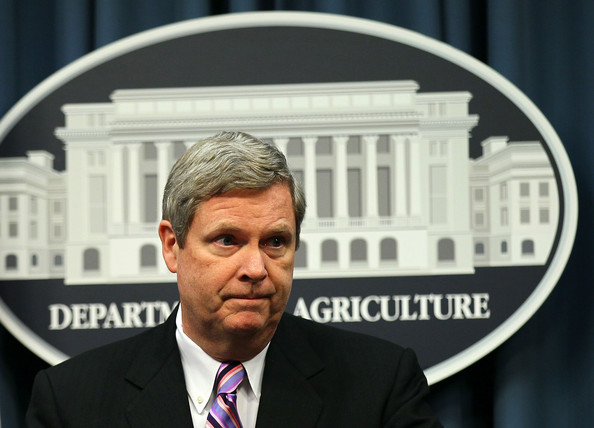
The U.S. Department of Agriculture (USDA) has released a comprehensive report synthesizing current literature that explores opportunities in the emerging bioeconomy. The report, entitled “Why Biobased?”, was created as a precursor for a more comprehensive economic study to be released in the coming months by the USDA BioPreferred program on the economic impacts of the biobased products industry.






 IL BIOECONOMISTA