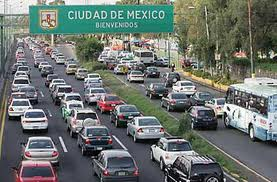
 Il Messico fa sul serio: il paese americano ha deciso di puntare con forza sui biocarburanti per sostenere la domanda generata dai più di 4 milioni di auto circolanti ogni giorno a Città del Messico e dai 28 milioni a livello nazionale, secondo la stima del parco veicoli fornita dalla Plataforma Mexico y Secretaria de Seguridad publica. Obiettivo: ridurre la dipendenza dal petrolio (i dati dell’Agenzia internazionale per l’energia parlano di una domanda mondiale di oltre 90 milioni di barili di petrolio al giorno) e l’inquinamento prodotto dai gas serra. Non solo le auto, però, saranno beneficiarie dei nuovi biocarburanti. A sostenere la richiesta messicana sarà anche l’industria aerospaziale.
In Messico le compagnie aeree prevedono di acquistare entro il 2030 530 nuovi velivoli. Mentre Airbus e Boing, i principali produttori, stimano che la domanda di nuovi aeroplani in America Latina sarà pari a 2mila 500 unità nei prossimi vent’anni. Il che apre ottime possibilità all’impiego di bioturbosina, un biocarburante a base di Jatropha creato appositamente per gli aerei, con cui è stato compiuto già un primo volo in Messico e che – secondo Airbus – è in grado di ridurre del 50-80% le emissioni di gas a effetto serra (GHG). La stessa Airbus prevede che il 15% di tutta la turbosina si trasformerà in bioturbosina entro il 2020.
Il Messico è un paese molto sensibile ai temi legati al cambiamento climatico. Non è un caso che Cancun sia stata nel 2010 la città ospitante della COP (Conference of the Parties) 16, il più importante forum mondiale sui cambiamenti climatici organizzato nell’ambito delle Nazioni Unite. Al di là dell’Atlantico si vuole prendere la leadership nel settore crescente dell’energia rinnovabile. E ciò per il Messico significa risalire posizioni da quell’ottantaquattresimo posto in tema di sostenibilità in cui la colloca il Performance Index sviluppato dall’Università di Yale negli Stati Uniti. Ma non si parla solo di biomasse. Il più grande campo di energia eolica in America Centro-meridionale ha aperto a Oaxaca nel corso del 2012. Un progetto che ha comportato un investimento di circa 600 milioni di dollari, secondo i dati ufficiali, e che ha avuto tra i maggiori investitori il Gruppo Bimbo (panificazione) e Femsa (bevande), due delle più grandi aziende del paese. A testimonianza dell’attenzione delle grandi imprese internazionali verso la bioeconomia, Daniel Servitje, l’amministratore delegato del Grupo Bimbo, è uno dei più grandi critici della politica messicana di sussidi sulla benzina, che costa al governo più di 20 miliardi di dollari all’anno, considerandola come “un grande ostacolo alla possibilità di creare un ambiente migliore per l’economia verde”.
Altre società di grandi dimensioni, come ad esempio General Electric, hanno deciso di comprare cinque miliardi di galloni di biocarburante ogni anno, con l’obiettivo di effettuare test per il loro uso in motori aeronautici. Si rafforza così la pressione delle organizzazioni di settore per l’approvazione di una legge sui biocarburanti, che consenta la creazione di un mercato dinamico e competitivo, in grado di produrre e persino esportare rinnovabili. Non bisogna dimenticare, infatti, che due paesi dell’America Latina, Brasile e Argentina, sono insieme con gli Stati Uniti i tre maggiori esportatori di biocarburanti nel mondo. Il processo sembra essere ben avviato. In alcuni stati, come ad esempio il Chiapas, numerose iniziative per produrre carburante “verde” sono state intraprese congiuntamente da aziende di diversi settori. Durante la scorsa estate, l’Unione delle Società Bioenergetiche del Chiapas ha annunciato un investimento di 600 milioni di pesos per la coltivazione di 10 mila ettari di Jatropha, una pianta che consente l’estrazione di olio che può essere utilizzato come combustibile biodiesel. La coltivazione della Jatropha è stata promossa in Messico anche dal Ministero delle Comunicazioni e dei Trasporti, attraverso un accordo con il Consiglio per lo sviluppo economico di Sinaloa, e prevede di delineare una strategia per la coltivazione e la lavorazione di questa pianta per la trasformazione in biocarburante specificamente per la flotta di aeromobili. Gli esperti del settore stimano che quattro milioni di metri quadrati di coltivazione di Jatropha siano in grado di generare più di 700 litri di carburante l’anno, 300 litri nel caso della soia, 1500 litri nel caso della camelina, 2300 nel caso della palma, dove il Costa Rica si distingue come uno dei principali produttori, e fino a 275mila nel caso delle alghe.
Marta Daria
 The Canadian government plans to end its subsidy for production of biofuels when its current program ends in 2017, a newspaper reported last Saturday. “The Globe and Mail” quoted a letter from Natural Resources Minister Joe Oliver to the biofuels industry on Thursday explaining that Ottawa needed to cut spending to tame its deficit.

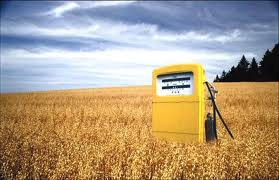




 Il Canada si prepara alla sfida della bioeconomia. Nel paese nordamericano è nata BEN (BioEconomy Network), una nuova rete intersettoriale della bio-based economy, che si pone l’obiettivo di sostenere politiche mirate di carattere finanziario e ambientale in grado di capitalizzare il potenziale emergente dei prodotti bio-based nel mercato globale. In parole più chiare: BEN vuole dare impulso a un settore che già oggi in Canada vale 86,5 miliardi di euro, oltre il 7% del Prodotto interno lordo, per far crescere l’economia e creare nuovo occupazione.
 IL BIOECONOMISTA