Abengoa leads the cultural revolution of the bioeconomy

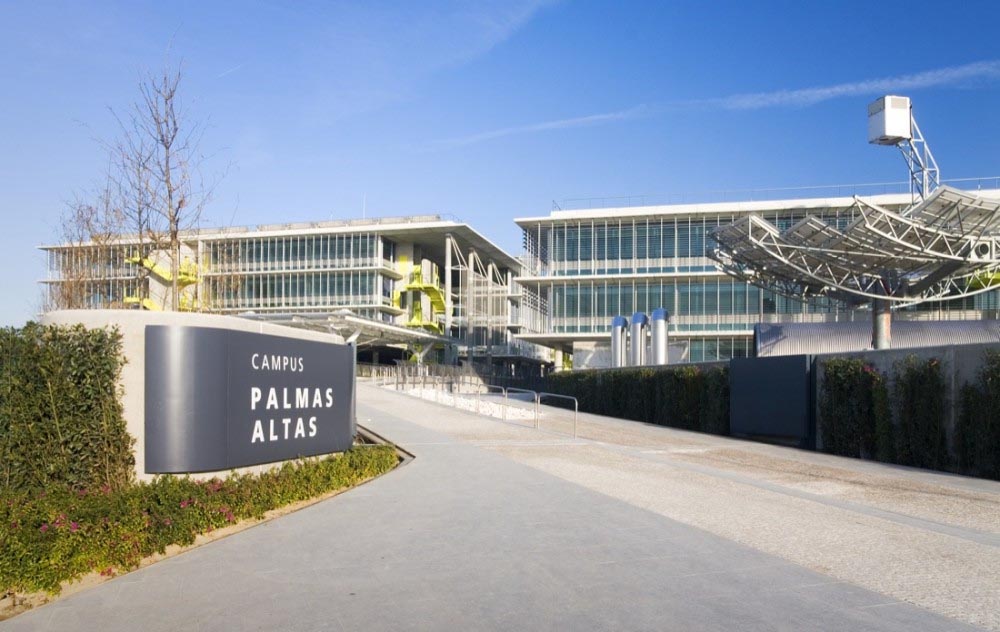
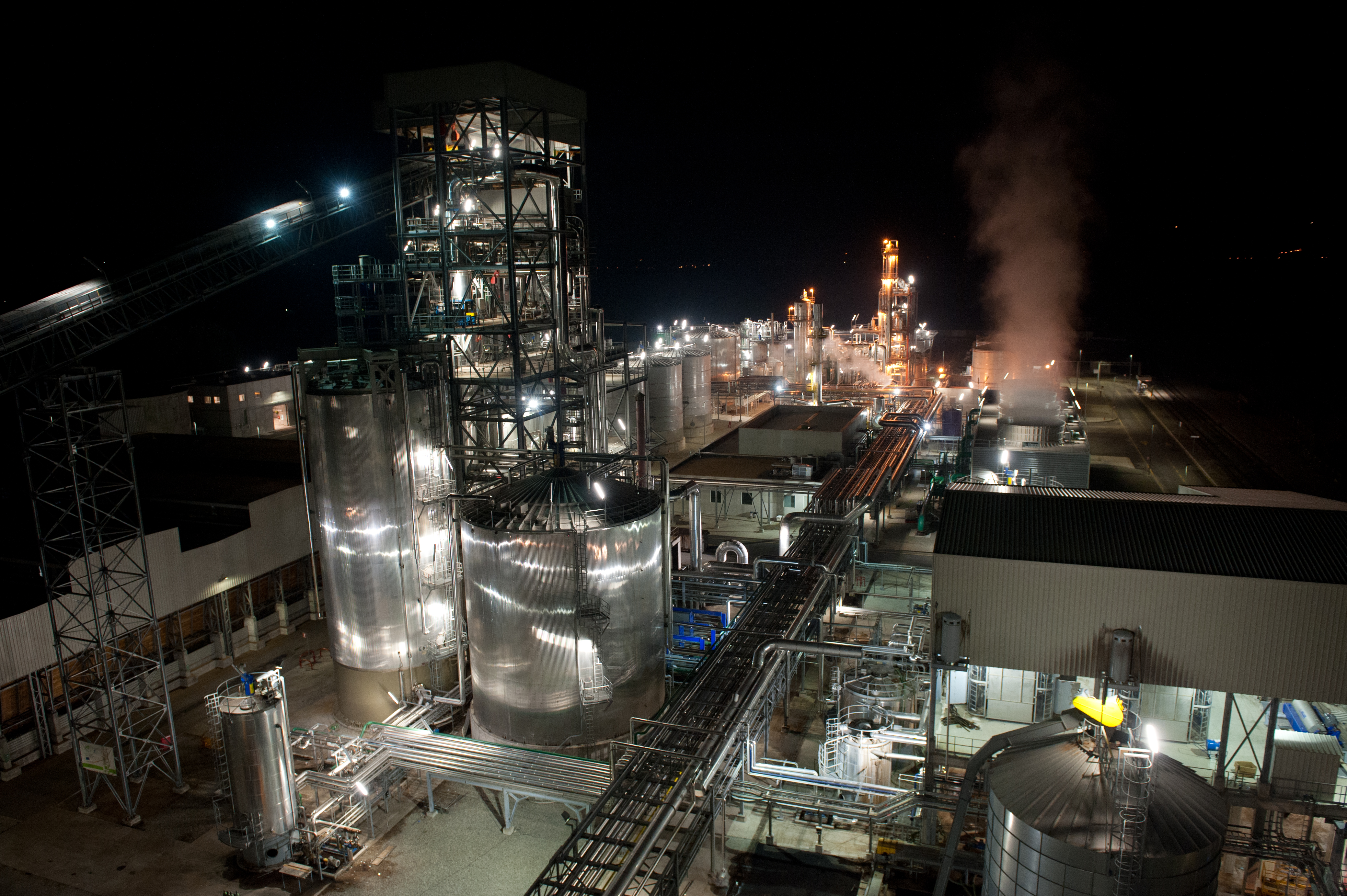
Abengoa Tecnological Campus Palmas Altas

Abengoa – the international company that applies innovative technology solutions for sustainability in the energy and environment sectors, generating electricity from renewable resources, converting biomass into biofuels and producing drinking water from sea water – promotes the use of sustainable transport every day through various measures that it has implemented. These initiatives include a pedestrian walkway that Abengoa constructed in 2012 to link the Los Bermejales and Bellavista districts with Campus Palmas Altas.

Continue reading →

Bio-on won the EuropaBio’s Most Innovative Biotech SME Award for its biobased plastic PHAs

image
Marco Astorri, Ceo and co-founder of Bio-on

Two companies have been announced as winners of EuropaBio’s Most Innovative Biotech SME Award 2014. The award ceremony took place yesterday in Brussels, as part of the second edition of the European Biotech Week.

Continue reading →

US Department of Energy earmarks $25 million for biofuel research

image
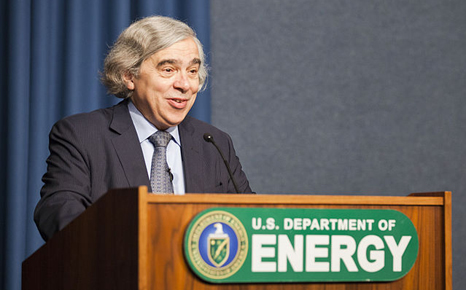
US Energy Secretary Ernest Moniz

US Department of Energy earmarks $25 million for biofuel research. The goal, according to the Department of Energy, is to reduce the cost of algal biofuels to less than $5 per gasoline gallon equivalent (gge) by 2019. What’s more, this funding supports the development of a bioeconomy that can help create green jobs, spur innovation, improve the environment, and achieve national energy security.

Continue reading →

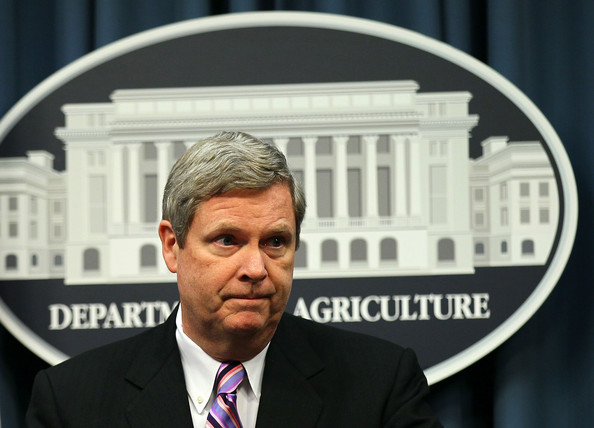
Here is the new team of the European Commission for the bioeconomy

image
Berlaymont, European Commission's Headquarter in Brussels

Following are nominees for the next European Commission. Job assignments were announced yesterday by the incoming president, Jean-Claude Juncker of Luxembourg. Juncker sailed through his European Parliament confirmation in July; hearings await the rest in late September, followed by a vote on the whole slate.

Il Bioeconomista’s list focuses on commissioners more involved in the Bioeconomy.

Continue reading →

Everything is ready in Reims to host Efib 2014

image
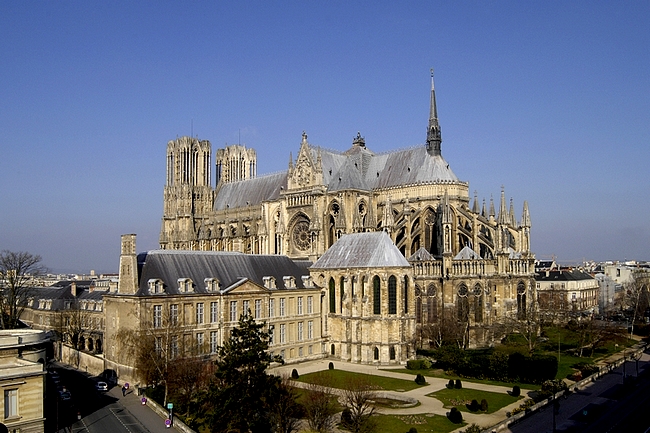
The beautiful cathedral of Reims, France

Everything is ready in Reims, France, to host the seventh edition of Efib. EuropaBio, the European Association for Bioindustries, and Smithers Rapra in association with IAR-Pole  return in 2014 from 30 September to 2 October to deliver the European Forum for Industrial Biotechnology and the Biobased Economy. EFIB is the premier market place for the European Biobased economy. Over 800 professionals, working within the dynamic and sustainable biobased industries sector, will be in attendance.

Continue reading →

Turin is ready to host the Third EU Bioeconomy Stakeholders Conference

Another brick towards the European Bioeconomy. The European Commission organises from 8 to 9 October in Turin the EU Bioeconomy Stakeholders Conference “From sectors to system, from concept to reality”.

Two years on from the launching of the EU’s Bioeconomy Strategy, Brussels in collaboration with the Italian Presidency analyses the achievements and the opportunities ahead in the two-day conference.

Continue reading →

European Union agrees a deal to limit production of food-based biofuels

Crescentino Plant View: 2G biofuels biorefinery

EU energy ministers agreed a deal on Friday to limit production of biofuels made from food crops, responding to criticism these stoke inflation and do more environmental harm than good. The ministers’ endorsement of a new compromise overcomes a stalemate hit late last year when European Union governments failed to agree on a proposed 5 percent cap on the use of biofuels based on crops such as maize or rapeseed.

Continue reading →

Exclusive interview with Zurina Che Dir: “In 2020, Bioeconomy’s contribution towards Malaysia’s GDP is targeted to contribute 8%-10%

Palm plantation in Malaysia

“The Malaysian bioeconomy today is worth more than USD 4.4 billion (RM14 billion) and creates over 83,000 people.  As you can see, bioeconomy is an important component in creating a more sustainable future where resources are used in the most efficient way. In 2020, Bioeconomy’s contribution towards Malaysia’s Gross Domestic Product (GDP) is targeted to contribute 8%-10% from the current 2%-3%”. To say this, in this long exclusive interview with Il Bioeconomista, is Zurina Che Dir, Senior Vice President Bioeconomy Development Division of the Malaysian Biotechnology Corporation. With Mrs. Zurina Che Dir we talk about bioeconomy in Malaysia, where “the Government has identified bioeconomy as one of the key strategic drivers to elevate the nation’s socio-economic development”.

Interview by Mario Bonaccorso

Continue reading →

nova-Institut: Our Proposals for a Reform of the Renewable Energy Directive to a Renewable Energy and Materials Directive

image
Biofuels or biochemicals? nova-Institut proposes a reform of the RED

nova-paper #4 “Proposals for a Reform of the Renewable Energy Directive to a Renewable Energy and Materials Directive (REMD)” presents a reform proposal that aims at creating a level playing field for bio-based chemicals and materials with bioenergy and biofuels in Europe. It is fundamentally different from other reforms of the Directive being currently discussed because it opens the perspective to not only look at energy, but also at bio-based materials.

Continue reading →

The upcoming elections are crucial for the future of the bioeconomy in the European Union

European Parliament, Brussels

From Thursday to Sunday we European Union citizens will be called to elect a new parliament. These elections are important, not only because for the first time will decide who will lead the European Commission. But mostly because the next 5 years represent a crucial point to understand whether the European Union will remain nothing more than a geographical expression (as Metternich called Italy in the Nineteenth century, before its Unification), or will be able to achieve a common economic and monetary policy, and with it a tax policy, a labor policy, etc. In one word: Policies.

Continue reading →