COP26 signals accelerated zero carbon investment drive. Severe climate risks remain

colorful-1974699_640

Commitments made in advance and during COP26 have put keeping global warming to 1.5°C within reach, accelerating investment towards net zero emissions. Stronger policies and 2030 targets are still required to unlock the trillions of dollars required to avoid the worst impacts of climate change. 
 
“Global warming of above 1.5°C presents irreversible, foreseeable and large-scale risks to investors and financial markets,” Rebecca Mikula-Wright, Chief Executive Officer of the Asia Investor Group on Climate Change (AIGCC), said. “The commitments that have come out ahead and as part of Glasgow have been significant but global action is still falling short.

Continue reading →

Deutsche Post DHL Group partnered with Neste to use SAF at the UK’s East Midlands airport

96E2346A-0934-4DCC-A02E-0833491B378A

As part of the COP26 climate conference, Deutsche Post DHL Group has announced a further step towards introducing climate-friendly aviation logistics. The Group has agreed a new partnership with Neste1 to supply the DHL Express division with Sustainable Aviation Fuel (SAF) at the UK’s East Midlands Airport. In total, DHL will purchase SAF for more than EUR 60 million by mid- 2022, reducing around 70,000 tons of CO2. This is a first step for the Group to reach its ambitious 2030 target of meeting at least 30 per cent of its fuel needs in aviation through sustainable fuels.

Continue reading →

Sports brand On launched CleanCloud, a new foam material made using carbon emissions as a raw material


F9C75723-2344-4B25-871C-D213FE544353

Roger Federer and sports shoes made by On. Source: On

Swiss sports brand On is moving away from petroleum-based resources by creating a new foam material called CleanCloud™, made using carbon emissions as a raw material. On is the first company in the footwear industry to explore carbon emissions as a primary raw material for a shoe bottom unit, specifically EVA (ethylene vinyl acetate) foam, that could also be used in other shoe parts and products in the future.

“On – the company claims – is convinced that innovation is pivotal to cutting greenhouse gas emissions. CleanCloud™ is the result of four years of dedicated work, which began with finding the best possible partners. We are adopting a collaborative approach to overcome the challenges of connecting these technologies at commercial scale.”

Continue reading →

Europe’s most promising university students presented their projects to develop the bioeconomy during a contest launched by BIC


VO-DUBLIN-MGQ
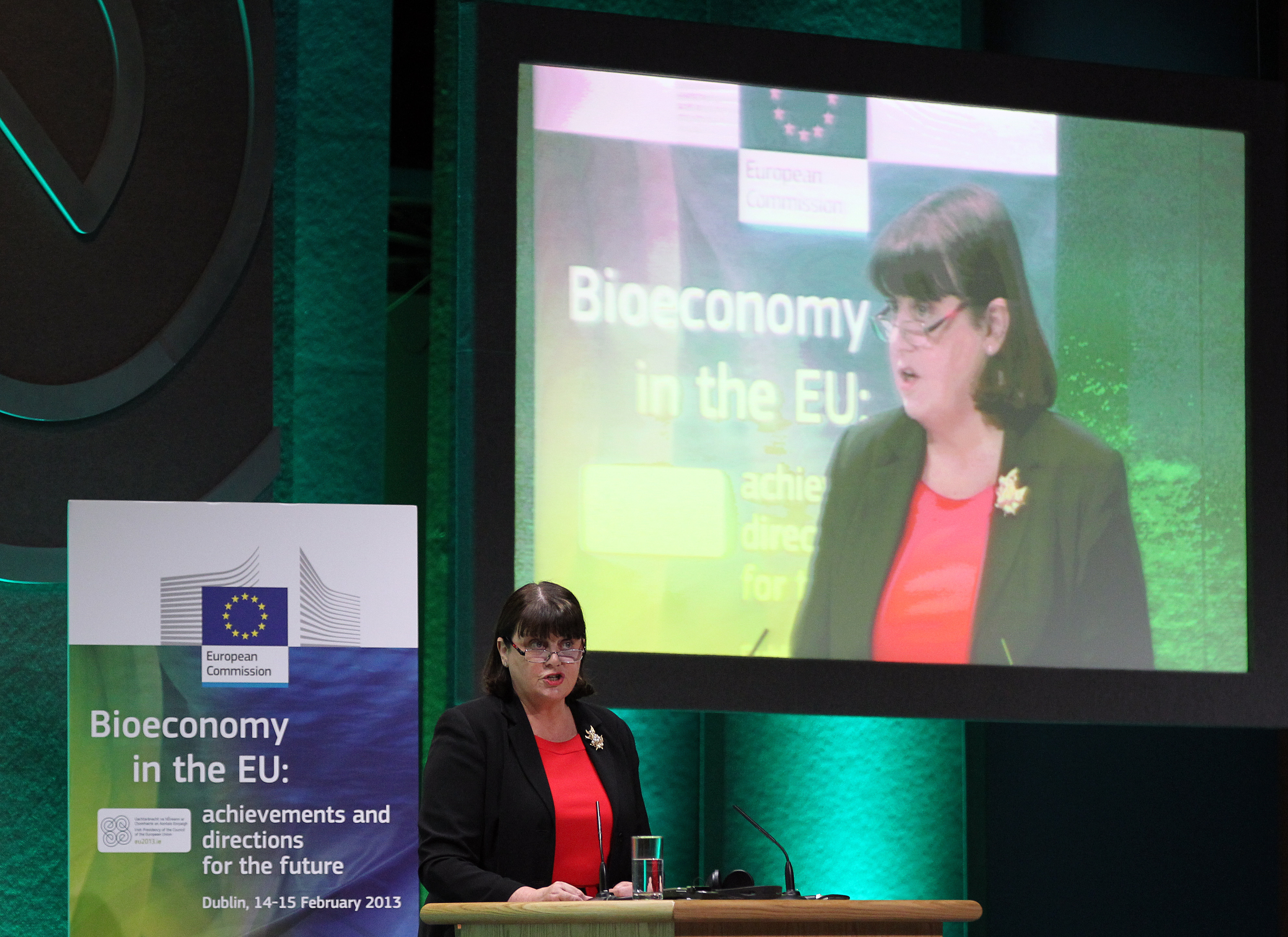
Former EU Commissioner Máire Geoghegan-Quinn speaks to delegates during the Bioeconomy conference in Dublin on February 14, 2013.

Contribute to the sustainability of society by designing a bio-based product or process. This was the task set for pioneering student teams participating in the third edition of the European Biobased Student Innovation Challenge 2021. The five finalists presented their innovative projects to a jury consisting of leading experts from across the bio-based sector. The combined votes from the expert jury and an audience of bio-based industry representatives decided which of the top five teams was the overall winner of BioSYNERGISE 2021, an event organised by the Bio-based Industries Consortium (BIC). Team WaterSkins from the Netherlands rose to the top with their innovative idea to harness wastewater to produce a leather-like material. 

Continue reading →

Covestro opened up a further area of application for the use of CO2 in plastics production: the automotive industry

Covestro

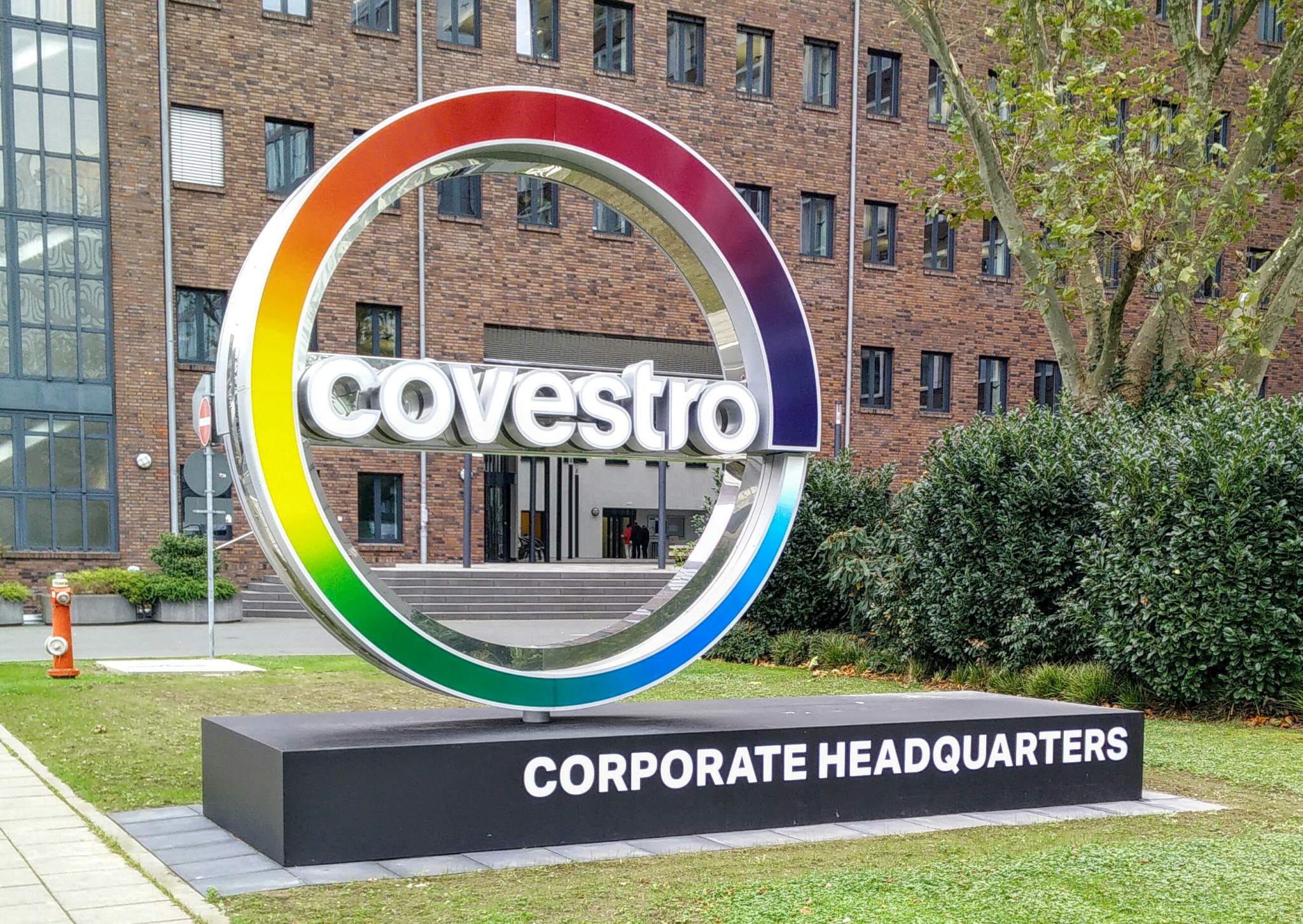
In addition to mattresses, sports floors and textile fibres, Covestro has opened up a further area of application for the use of CO2 in plastics production: now foams for the automotive industry can also be produced partly using carbon dioxide instead of fossil raw materials such as crude oil. The innovative precursor cardyon® is used for this purpose, with which the Swiss company FoamPartner produces foams for various areas in the vehicle interior.

Continue reading →

An exclusive interview with Jason Robinson, CEO of Evoco

2B117A6F-D9EA-4B7C-ACF5-7FB07F9ECFDD

Evoco is an innovative cleantech company. Its CEO, Jason Robinson, talks to Il Bioeconomista. “We’re focused on developing and producing renewable, sustainable and plant-based chemistry as alternatives to petroleum-based materials and products”, he tells us.

Interview by Mario Bonaccorso

Continue reading →

New publication highlights the BBI-JU achievements over 7 years

Philippe Mengal

Over the last seven years, the BBI JU has established itself as a game-changer in the European bio-based economy. By replacing fossil-based materials and products with bio-based ones, using local, sustainably sourced feedstock and developing circular production processes, the BBI JU-funded projects have given an important contribution to the green transition in Europe. A new publication takes stock of BBI JU’s achievements and impacts in the 2014-2020 period.

Continue reading →

Amyris launched Terasana Clinical to open up new avenues in sustainable skincare

john-melo.jpg.jpg
John Melo, President and Ceo of Amyris

Amyris, a US leading synthetic biotechnology company in Clean Health and Beauty markets, launched Terasana Clinical, a clean skin care brand. The launch represents the first of three the company has prepared this summer.  Terasana Clinical’s first skincare product, Clear + Control Healthy Skin Serum – the company claims – addresses dry skin, flaking, irritation and redness with its moisturizing and anti-inflammatory properties which are designed to clear and balance the skin’s appearance.

Continue reading →

An interview. European Commission: “The bioeconomy can generate significant carbon savings to reduce EU’s GHG emissions by at least 55% by 2030”

Berlaymont in Brussels
Berlaymont, European Commission’s Headquarter in Brussels

“Already now, the circular and sustainable bioeconomy is contributing to all dimensions and objectives of the European Green Deal. Through the substitution of fossil-based products and materials and through carbon sequestration in soil and forests, together with its storage in harvested wood products, the bioeconomy can generate significant carbon savings to reduce the EU’s greenhouse gas emissions by at least 55% by 2030”. To say this is a European Commission’s official, who prefers to remain anonymous. In this long interview with Il Bioeconomista, the Commission’s official talk about the Green New Deal, the bioeconomy and the partnership Circular Bio-based Europe.

Interview by Mario Bonaccorso

Continue reading →

Lululemon Athletica and Genomatica joined forces to create a lower-impact, plant-based nylon

wp-image-799665490jpg.jpg
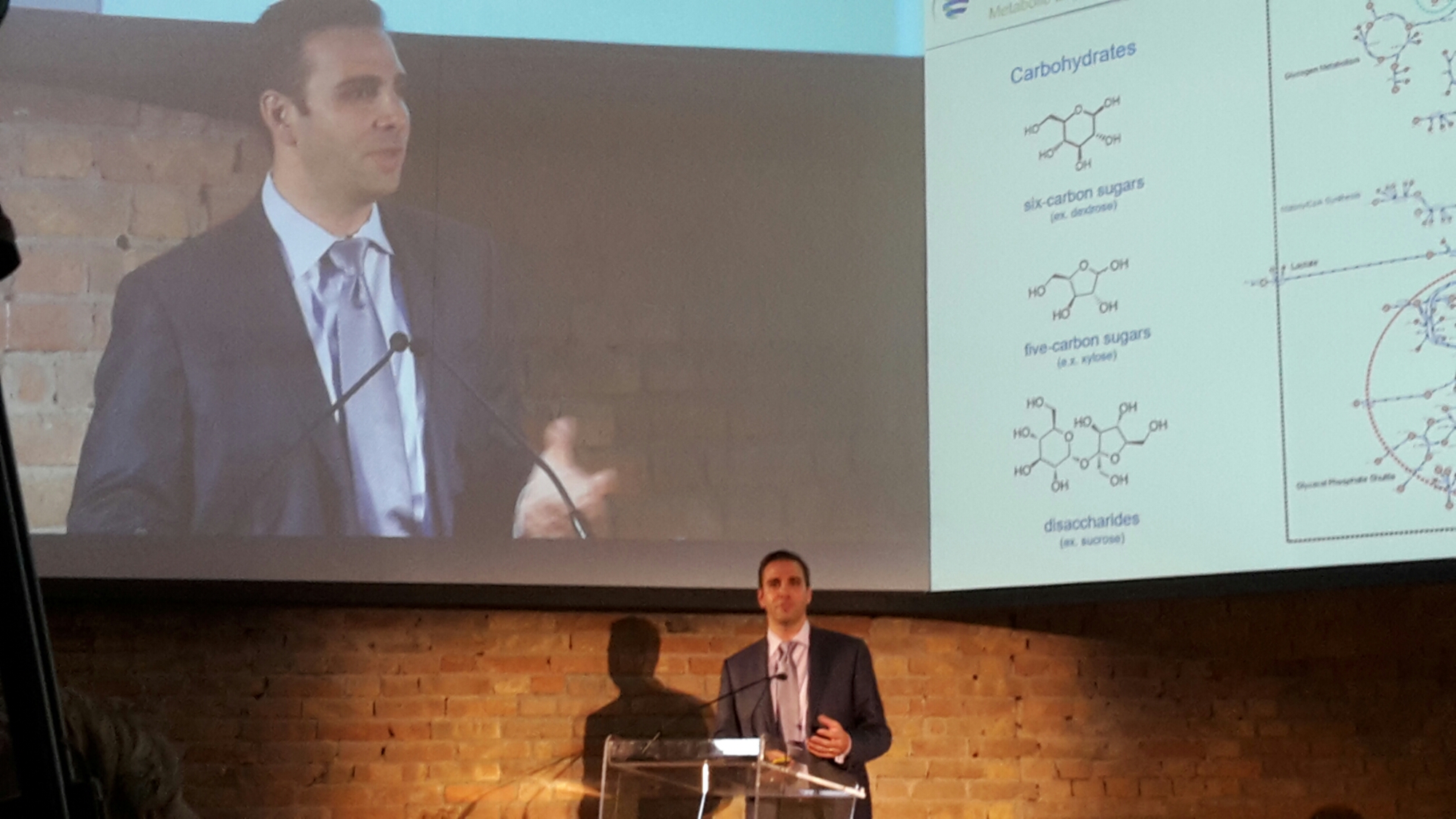
Christophe Schilling, CEO of Genomatica during his speech at the Grand Opening of Mater Biotech’s plant in Bottrighe di Adria, Italy

lululemon Athletica inc. signed a multi-year collaboration with sustainable materials leader Genomatica to bring renewably-sourced, bio-based materials into lululemon’s products. This represents lululemon’s first-ever equity investment in a sustainable materials company and Genomatica’s largest partnership within the retail industry. Together, the two companies will create a lower-impact, plant-based nylon to replace conventional nylon, which is the largest volume of synthetic material currently used to make lululemon products.

Continue reading →