CUOA Business Center (Villa Valmarana Morosini in Altavilla Vicentina)
Everything is ready in Altavilla Vicentina (Vicenza, Italy) to host the Italian Forum on Industrial Biotechnology and Bioeconomy. Taking place on 22-23 September at CUOA Business Center, IFIB 2016 will bring together the European bioeconomy stakeholders, from universities and research centers to big companies.
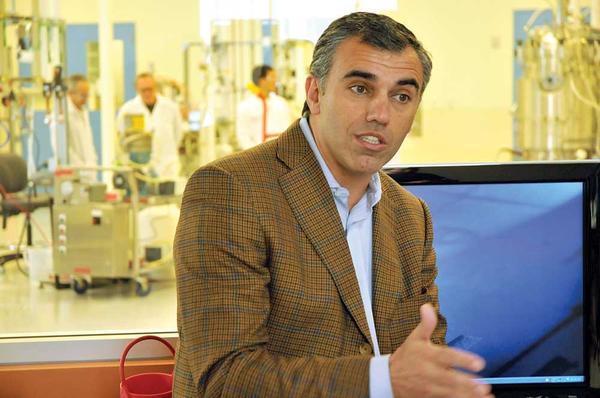
“I expect 30% of jet fuel to be renewable by 2030 and we hope to have at least 1/3 of this market share”. John Melo talks to Il Bioeconomista. In this exclusive interview the President & Ceo of Amyris, the California-based company which has been named the #1 company in the 50 Hottest Companies in the Advanced Bioeconomy (“Hot 50”) contest, talks about his company and the bioeconomy, the role played by the U.S. government and the public opinion. “To me – Melo says – ecology and economy must go together. Producing less CO2 emissions should cost less, not more. When this happens ecology and climate are working in the same direction. What’s good for the planet should be good for business and we are making this a reality”.
“With equivalent performance and equivalent costs we anticipate that the industry will migrate to widespread adoption of these bio-based products over time (similar to previous industry shifts to more competitive petro-derived processes)”. To say it, in this exclusive interview with Il Bioeconomista, is Tim Dummer, VP Commercialization at Rennovia, a specialty chemical company focused on the creation of novel processes for the cost advantaged production of chemicals from renewable feedstocks. Rennovia led by Robert Wedinger and based in Santa Clara, California, is developing processes for the production of biobased glucaric acid, adipic acid, 1,6-hexanediol, hexamethylenediamine (HMD), and other important building blocks for a wide range of functional materials. With Dummer we talk about Rennovia and the future of the chemical industry.
Ford Motor Company is teaming up with Jose Cuervo® to explore the use of the tequila producer’s agave plant byproduct to develop more sustainable bioplastics to employ in Ford vehicles.
Ford and Jose Cuervo are testing the bioplastic for use in vehicle interior and exterior components such as wiring harnesses, HVAC units and storage bins. Initial assessments suggest the material holds great promise due to its durability and aesthetic qualities. Success in developing a sustainable composite could reduce vehicle weight and lower energy consumption, while paring the use of petrochemicals and the impact of vehicle production on the environment.
British voters have voted in favor of Brexit: British exit from the European Union. That means that in the coming months, British and European leaders will begin negotiating the terms of Britain’s departure. Britain’s exit will affect British and EU economies, and also the bioeconomy. It will take years for the full consequences to become clear. From our point of view, as Europeans, it is an absurd. Obviously we do not put in discussion the result of the vote. We simply think that Great Britain is an integral part of the European Union. The development of the European bioeconomy needs Great Britain and viceversa.
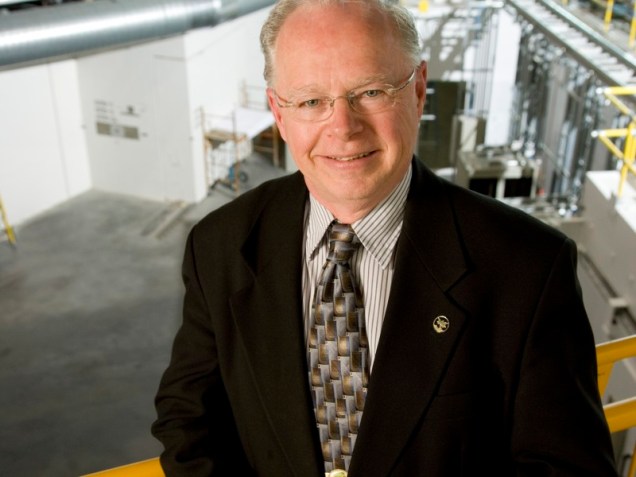
“The government is working on a national bioeconomy strategy, which started with our new federal government attending the COPS meeting in Paris. Discussions and consultations are now taking place with the provinces and the Canadian public with the intent to have a federal strategy in draft form later this year.” To say it – in this long exclusive interview with Il Bioeconomista – is Murray McLaughlin, executive director of Bioindustrial Innovation Canada, who was recognized in the top 100 global leaders in the Advanced Bioeconomy at Biofuels Digest Conference in Washington, 2016. With him we talk about bioeconomy in Canada, climate change, biomass, Green public procurement, carbon tax and other policies. Murray McLaughlin has held various positions in the private, government and non-profit sectors such as director of Business Development for the Canadian Light Source, president of Ontario Agri-Food Technologies, deputy minister of Saskatchewan Agriculture and Food, and president of Ag-West Biotech Inc. He co-chairs the Industrial Bioproducts Value Chain Roundtable which is a partnership between Industry and AAFC for the bioeconomy. He is a graduate of Nova Scotia Agricultural College, McGill (B. Sc. Agr.) and Cornell (MSC and PhD), and has an Honorary Doctorate Degree from Dalhousie University.
Forward-thinking businesses are partnering with the World Business Council for Sustainable Development (WBCSD), Roundtable for Sustainable Biomaterials (RSB) and Sustainable Energy for All (SE4ALL) through a new global initiative called below50, to promote the best-of-breed of sustainable fuels that can achieve significant carbon reductions, and scale up their development and use.
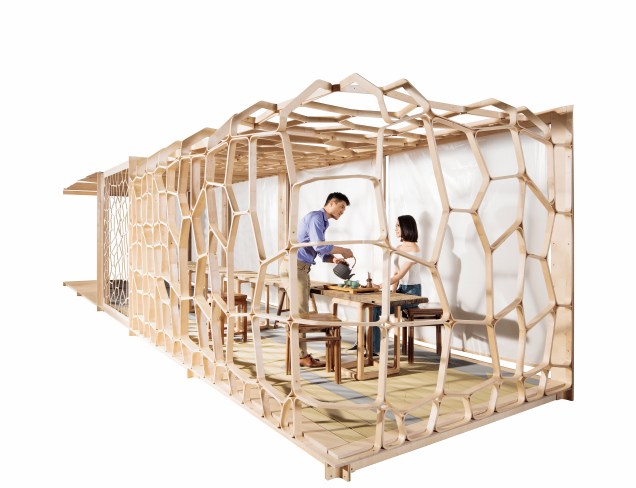
UPM, the Finnish forest industry company, and the Shanghai-based Tongji University College of Design and Innovation started cooperation in 2015 with a target to create a modern concept for the traditional Chinese tea house by using UPM’s innovative wood-based biomaterials. The project has now reached its goal with the introduction of the Biofore Tea House in the ‘Moi Helsinki’ event in Beijing, China on 13-15 May 2016.
Lee Edwards, president and CEO of Virent Energy Systems (Photo Andy Manis). Source: Virent
Bioproducts are everywhere. And now we have also bio-based shirts. Virent, the bioeconomy company headquartered in Madison, Wisconsin, announced that its BioFormPX® paraxylene was used to produce the world’s first 100% plant-based polyester shirts. “This important project- the company says – demonstrates the potential of Virent’s technology to produce demonstration quantities of bio-based, crude oil free polyester for production of garments and textiles”.
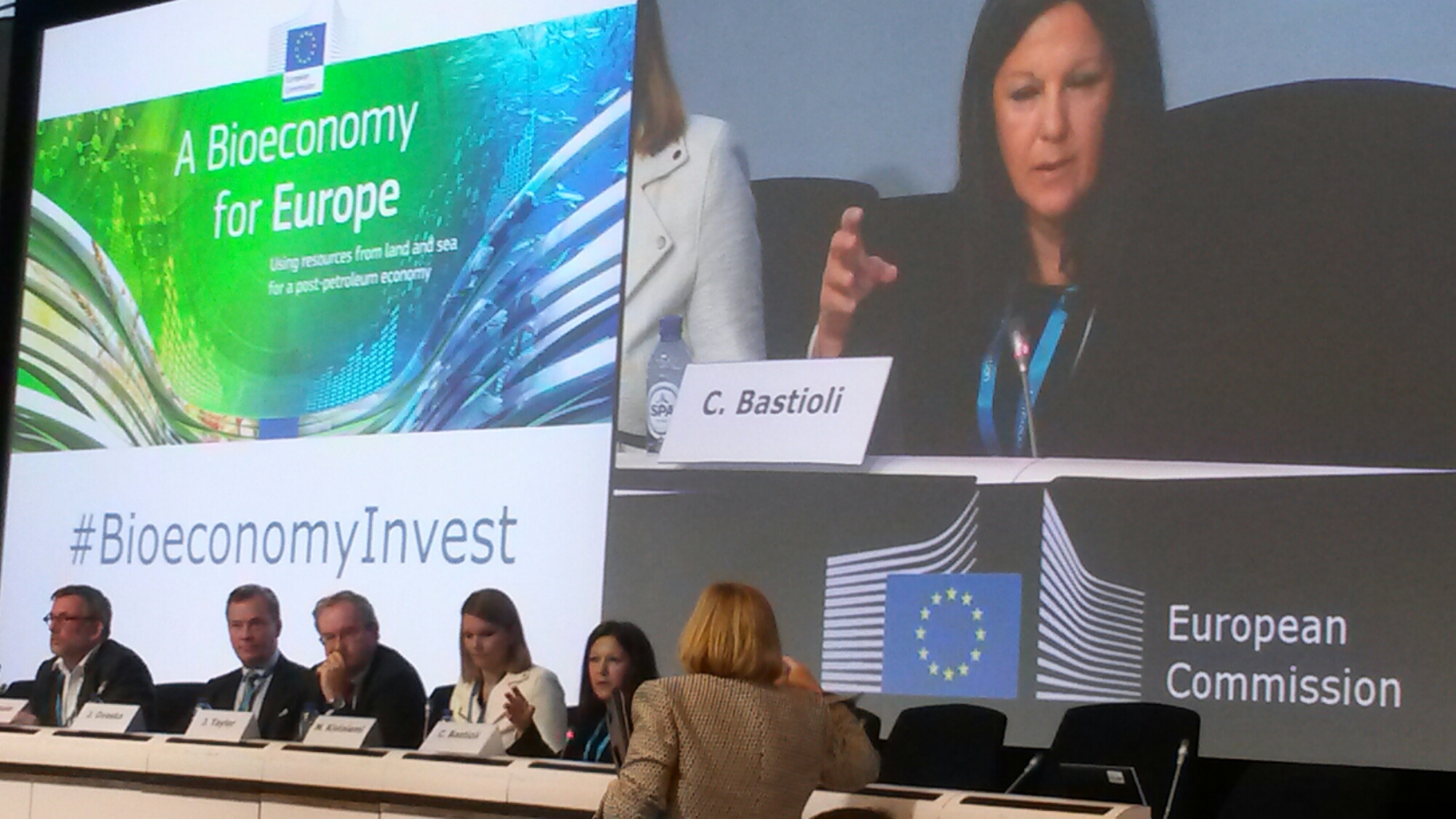
“To pass laws that can make a difference means overcoming the braking action of those who defend and feed the advantageous position, put into practice the good industry and multiply virtuous cases there are in our country. Much of the Italian industry has invested and is investing in the development of new products and “green” technologies, and now considers sustainability as an opportunity rather than a constraint”. Catia Bastioli talks to Il Bioeconomista. In this exclusive interview with the Chief Executive Officer of Novamont, considered as the beacon of Italian bioeconomy, we talk about bioeconomy, circular economy and climate change. A few days before the 4th EU Bioeconomy Stakeholders’ Conference in Utrecht, Bastioli gives us her vision to fully realize in Italy and Europe the new economy based on biological resources, able to create wealth and jobs, starting from the local areas.