
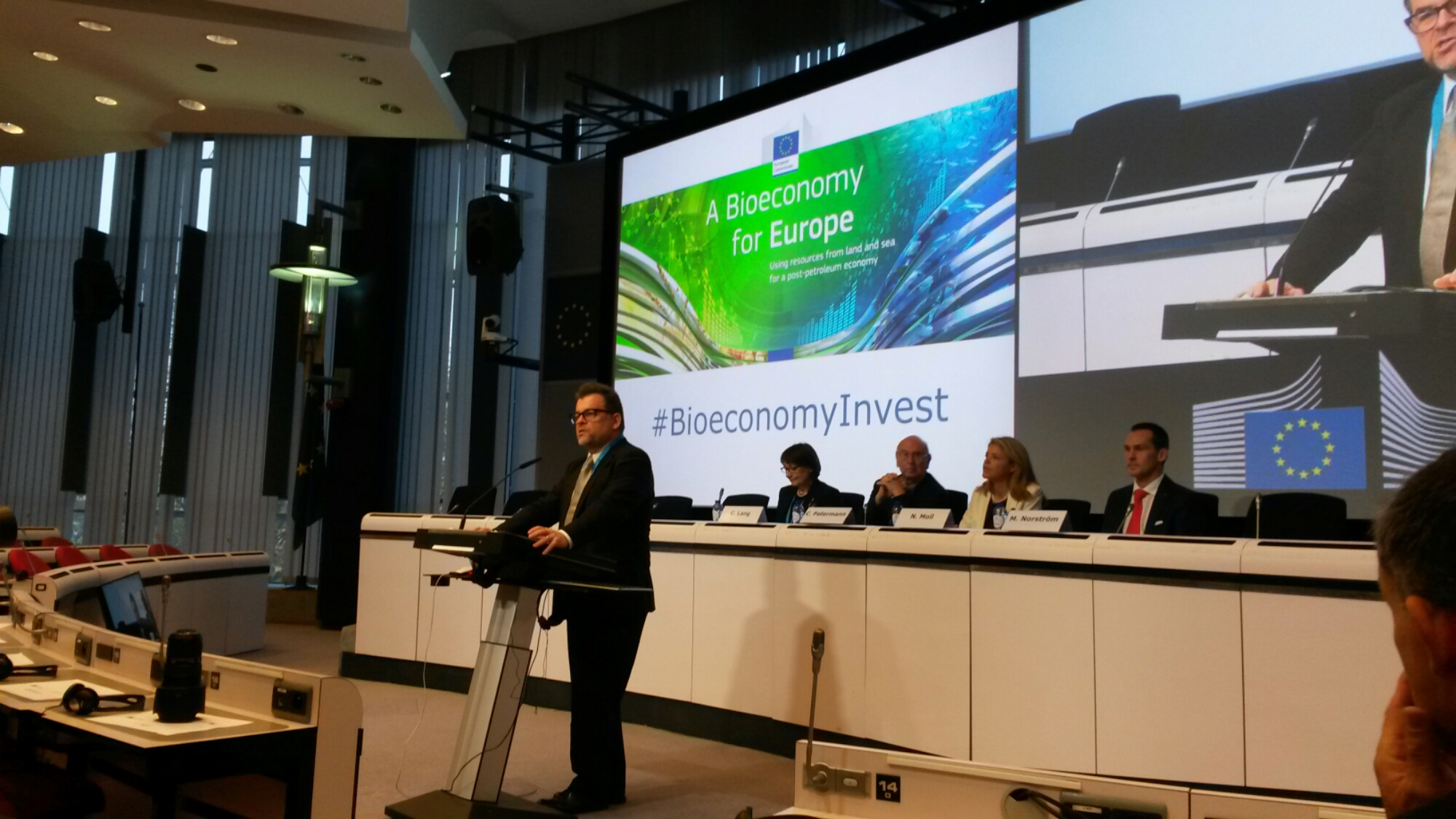
Chris Patermann is simply the “father” of the European bioeconomy. Since January 2004 he was Programme Director for “Biotechnology, Agriculture & Food” Research at the Research Directorate-General of the European Commission, which from 2007 also comprised Aquaculture and Fisheries as well as Forestry. During these years he was responsible for the elaboration of the new concept of the Knowledge Based Bioeconomy (KBBE), which today is known as bio-based economy or more simply bioeconomy in Europe. He was also appointed Chairman of the oldest Committee between EU Member States and the European Commission, the Standing Committee on Agricultural Research, SCAR. He also served for 4 years as co-chair in the important EC-US Task Force Life Sciences and Biotechnology Research. In August 2007 Christian Patermann retired. He now lives in Bonn and advises public and private institutions and companies, among them the largest German Land NorthRhine-Westphalia, the Fraunhofer Society, the Swiss Agricultural Research Council etc.
With Chris Patermann, who is one of the most influential people in the European bioeconomy, we talk – in this long exciting exclusive interview – about what was the vision that inspired the beginnings of the European strategy on bioeconomy, but also the future of this meta-sector through which the European Union can aspire to economic growth, creation of jobs and environmental sustainability.
Interview by Mario Bonaccorso

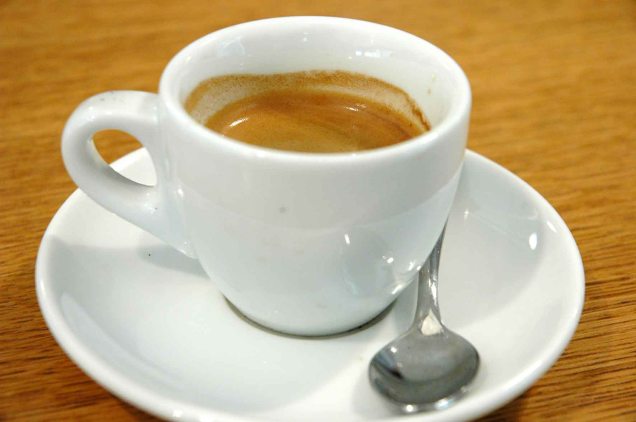 We can now drink our espresso and support the bioeconomy and circular economy, thanks to a wholly biodegradable and compostable coffee capsule for espresso machines. Once consumed, it can be collected with the organic waste and processed industrially to become compost. This is the circular economy principle of zero waste, according to which all used products can return to being a resource, with significant environmental benefits. The project – created and used by two of the most popular Italian companies, Novamont and Lavazza – won the Ecomondo Sustainable Development Award 2015 for the category “Waste and Resources”.


 IL BIOECONOMISTA