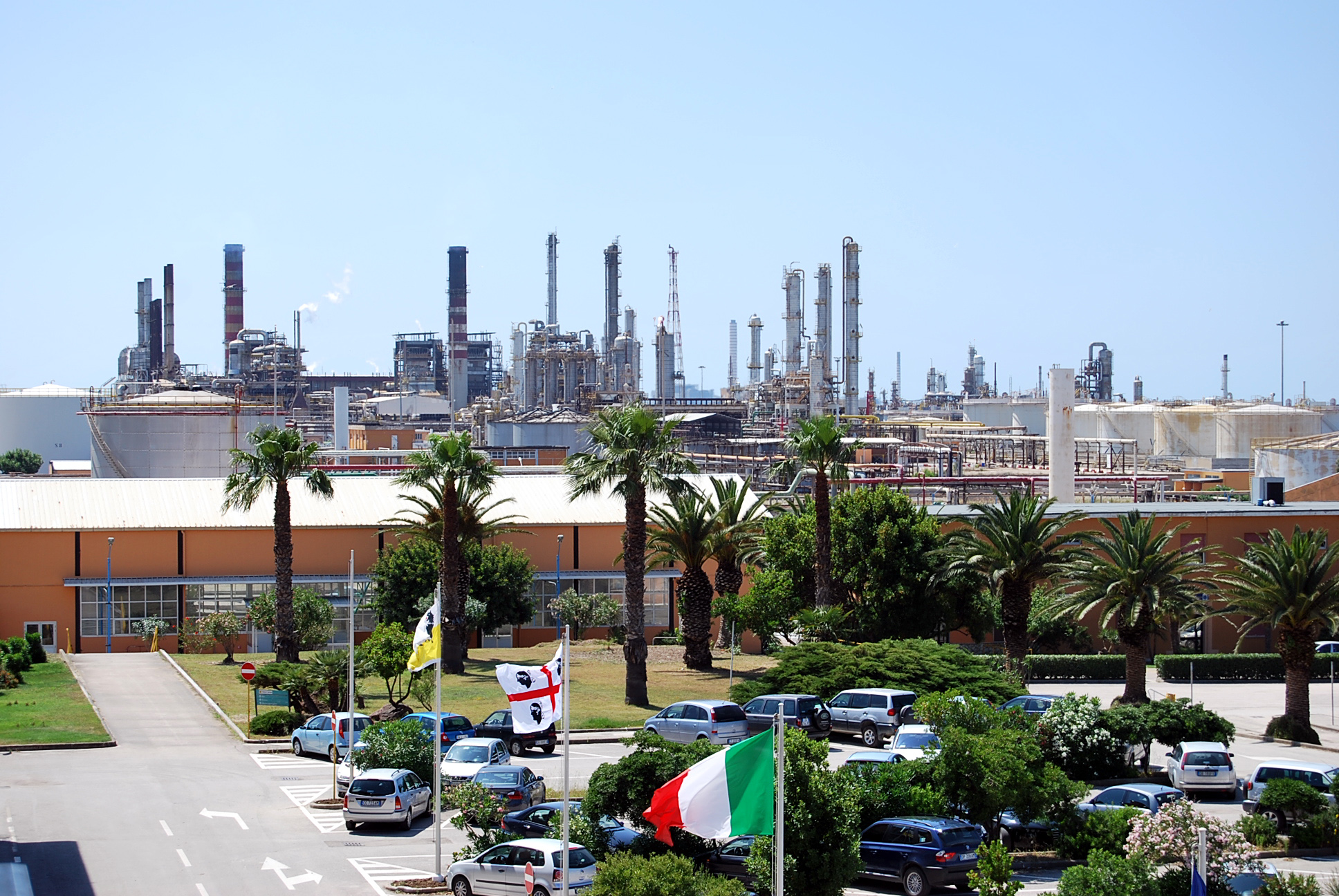
Matrìca, the 50/50 joint venture between Versalis (Eni) and Novamont, hosted today the International Open Day, a chance for the European Stakeholders attending the third Bioeconomy Conference held in Turin to visit the newly-built plant at Porto Torres, the bio-run industrial complex utilizing the latest technologies and vegetable oils as raw materials. The project was conceived back in 2011 with the objective of converting the petrochemical plant at Porto Torres into one of the most innovative, integrated green chemistry industrial project at world level.
Society
Bio-on won the EuropaBio’s Most Innovative Biotech SME Award for its biobased plastic PHAs
Biome Bioplastics launches new material for 3D printing
Made from plant starches, Biome3D is a biodegradable plastic that combines easy processing and a superior print finish, while offering much higher print speeds. Developed in partnership with 3Dom Filaments, the new material was unveiled today at the TCT Show 2014, the leading event dedicated to 3D printing, additive manufacturing and product development.
An exceptional week dedicated to the biorefinery in Champagne-Ardenne

An exceptional week dedicated to the biorefinery will take place from September 30 to October 3 in Reims, France. The European Institute of biorefinery located near the capital of Champagne-Ardenne is one of the most important biorefineries in the world. Three million tons of biomass (sugar beet, wheat, alfalfa) are transformed each year to give sugar, glucose, starch, food or pharmaceutical alcohol, ethanol fuel, cosmetic actives.
Here is the new team of the European Commission for the bioeconomy

Following are nominees for the next European Commission. Job assignments were announced yesterday by the incoming president, Jean-Claude Juncker of Luxembourg. Juncker sailed through his European Parliament confirmation in July; hearings await the rest in late September, followed by a vote on the whole slate.
Il Bioeconomista’s list focuses on commissioners more involved in the Bioeconomy.
University of Kentucky invests in bioeconomy for a sustainable future

A project aimed at helping Kentucky transition to a “new energy economy” has been awarded $20 million from the National Science Foundation (NSF). Kentucky was one of six jurisdictions chosen to receive a five-year Research Infrastructure Improvement Track 1 award from the NSF’s Experimental Program to Stimulate Competitive Research (EPSCoR). An additional $4 million in matching funds comes from Kentucky EPSCoR, which receives funding from the Kentucky Council on Postsecondary Education, bringing total funding for the project to $24 million.
Turin is ready to host the Third EU Bioeconomy Stakeholders Conference

Another brick towards the European Bioeconomy. The European Commission organises from 8 to 9 October in Turin the EU Bioeconomy Stakeholders Conference “From sectors to system, from concept to reality”.
Two years on from the launching of the EU’s Bioeconomy Strategy, Brussels in collaboration with the Italian Presidency analyses the achievements and the opportunities ahead in the two-day conference.
The new Ford is tomato-based

Ford, the global automotive industry leader based in Dearborn, Michigan, and H.J. Heinz Company, one of the world’s leading marketers and producers of healthy, convenient and affordable foods specializing in ketchup, sauces, meals, soups, snacks and infant nutrition, explore the use of tomato fiber to develop a more sustainable bio-plastic material for vehicles. It might seem that tomatoes and cars have nothing in common. But researchers at Ford Motor Company and H.J. Heinz Company see the possibility of an innovative union.
Addax Bioenergy starts sugarcane bioethanol and power production in Sierra Leone

Addax Bioenergy, a sugarcane-based renewable energy company, announced that its facility in Makeni, Sierra Leone, has started producing sugarcane bioethanol and renewable electricity. The company will produce 85,000 m3 of bioethanol per year by end 2016. The pioneering project involves the development of a Greenfield 10,000 hectare sugarcane plantation, the construction of a bioethanol refinery and a biomass-fuelled co-generation plant to produce green power and contribute about 20% of Sierra Leone’s national electricity requirements. It has been developed in partnership with eight Development Finance Institutions, and is the only bioethanol project to be brought to financial close in Africa.
Scottish whisky distilleries become more bio-based

The UK Green Investment Bank (GIB) has announced £5 million of funding for a pipeline of energy efficiency projects at a number of Scottish distilleries. Half of this will come from GIB, with matched funding from the private sector. Aberfeldy distillery in Perthshire will be taking advantage of the new funding available. This follows GIB’s announcement last year of an investment at the Tomatin distillery, near Inverness. Tomatin is on track to reduce its greenhouse gas emissions by c. 80%.