Another brick towards the European Bioeconomy. The European Commission organises from 8 to 9 October in Turin the EU Bioeconomy Stakeholders Conference “From sectors to system, from concept to reality”.
Two years on from the launching of the EU’s Bioeconomy Strategy, Brussels in collaboration with the Italian Presidency analyses the achievements and the opportunities ahead in the two-day conference.
Headquarter of Royal DSM in Heerlen (The Netherlands)
Royal DSM, the global Life Sciences and Materials Sciences company, announces today it has reached agreement to acquire Aland (HK) Holding Limited, a Hong Kong-based company producing vitamin C in mainland China. Financial details will not be disclosed at this time. Subject to customary conditions, the transaction is expected to close in the next six to nine months.
“In order to be commercially successful it is essential to facilitate the introduction of innovative biobased products on the market. This means ensuring the implementation of the Priority Recommendations from the Lead Market Initiative, to boost the uptake of innovative biobased products on the European market. A good example from the US, in this respect, is the Biopreferred programme, which was established to ensure that US policy is aiding sustainable biobased industries to have a competitive edge through public procurement initiatives. Additionally, we need to foster investments through combined financing”. To say this – in this exclusive interview with Il Bioeconomista – is Nathalie Moll, Secretary General of EuropaBio, the European Association for Bioindustries. With Moll we discuss about bioeconomy in Europe and the next edition of EFIB, the European Forum for Industrial Biotechnology and Bio-based economy, which will take place in Reims (France) from 30 September to 2 October. “This years’s EFIB – says Moll – will provide the forum for dynamic discussion around the year’s biggest and best joint ventures, with high profile consumer brands. It will also provide a snapshot of how policy is being put into practice through the most significant developments in scale up of commercial biorefineries around the world”.
Total, one of the world’s leading energy companies, and Amyris, an industrial bioscience company, begin to prepare to market a drop in jet fuel that contains up to 10% blends of renewable farnesane. This new jet fuel blend meets the rigorous performance requirements set for Jet A/A-1 fuel used by the global commercial aviation industry.
Celtic Renewables, the Edinburgh-based biofuel company, has signed an agreement with Europe’s foremost biotechnology pilot facility to undergo next stage testing of its process to turn whisky by-products into biofuel that can power current vehicles. The partnership, which will allow the company to develop its technology at Bio Base Europe Pilot Plant (BBEPP) in Ghent, has been made possible by second round funding worth €1.5million, including more than €1million from the UK Government, to help meet its ambition of growing a new €125 million-a-year industry in the UK.
The British plan for the bioeconomy takes a step forward. Biome Bioplastics CEO, Paul Mines, has been appointed to the management board of the Lignocellulosic Biorefinery Network (LBNet), a government-funded body tasked with fostering cross-disciplinary communities in the industrial biotechnology sector. LBnet is an active community of industrial practitioners and leading academics generating economic value through novel chemical, material and fuel processes that use lignocellulosic biomass as an alternative to petroleum-derived inputs.
EU energy ministers agreed a deal on Friday to limit production of biofuels made from food crops, responding to criticism these stoke inflation and do more environmental harm than good. The ministers’ endorsement of a new compromise overcomes a stalemate hit late last year when European Union governments failed to agree on a proposed 5 percent cap on the use of biofuels based on crops such as maize or rapeseed.
EuropaBio and Smithers Rapra, in association with IAR, unveil the highly-anticipated agenda for the European Forum for Industrial Biotechnology (EFIB) from 1-2 October 2014 taking place in Reims, the heart of Champagne-Ardenne (France). Committed to creating a forum to address opportunities and challenges for the biobased economy, EFIB is consistent in attracting an unrivalled calibre of speakers from across the fields of both policy and business. This year’s high level plenary includes a French ministerial address from this year’s host nation, complemented by the European Commission’s take on the future of the European biobased economy. Followed by a discussion on shale gas and how it is impacting investments and market development in petrochemical and biobased value chains, featuring representatives from Shell and European Bioplastics.
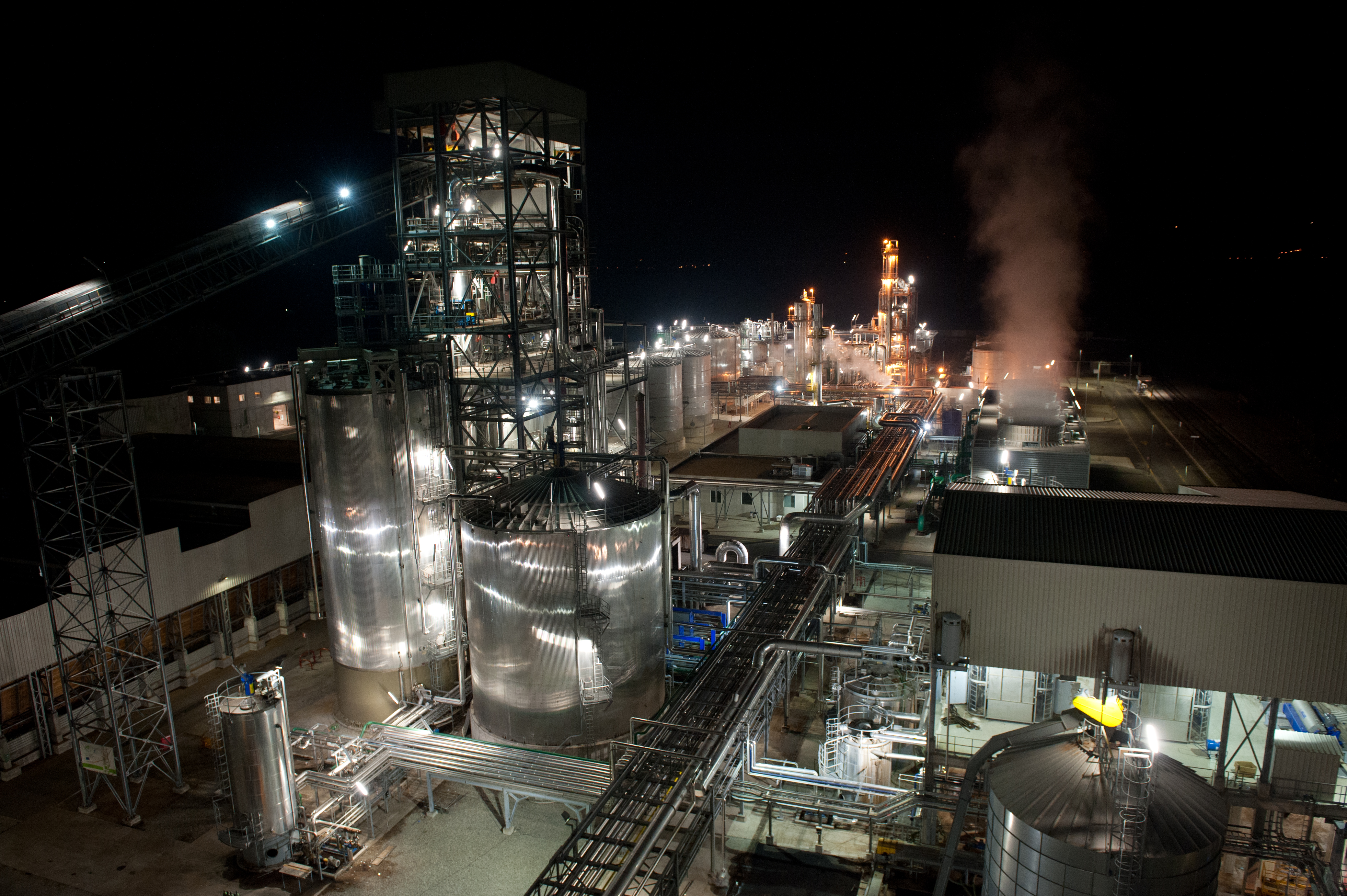
Addax Bioenergy, a sugarcane-based renewable energy company, announced that its facility in Makeni, Sierra Leone, has started producing sugarcane bioethanol and renewable electricity. The company will produce 85,000 m3 of bioethanol per year by end 2016. The pioneering project involves the development of a Greenfield 10,000 hectare sugarcane plantation, the construction of a bioethanol refinery and a biomass-fuelled co-generation plant to produce green power and contribute about 20% of Sierra Leone’s national electricity requirements. It has been developed in partnership with eight Development Finance Institutions, and is the only bioethanol project to be brought to financial close in Africa.
Biofuels or biochemicals? nova-Institut proposes a reform of the RED
nova-paper #4 “Proposals for a Reform of the Renewable Energy Directive to a Renewable Energy and Materials Directive (REMD)” presents a reform proposal that aims at creating a level playing field for bio-based chemicals and materials with bioenergy and biofuels in Europe. It is fundamentally different from other reforms of the Directive being currently discussed because it opens the perspective to not only look at energy, but also at bio-based materials.





 IL BIOECONOMISTA