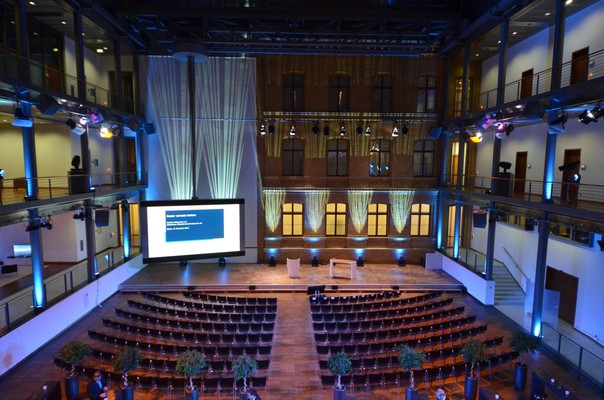
Dutch biochemical company Avantium joined forces with South Korea-based R&F Chemical to boost its Catalysis business in the region. “South Korea – Avantium said in a note – has a highly-advanced technology and chemical sector, and several established national research facilities offering the perfect environment for Avantium’s Catalysis business with a strong focus on catalysis research”.
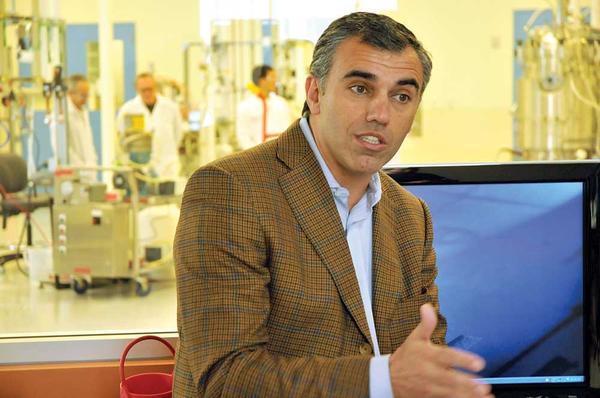
 Bio-Botanica Inc., a family-owned and operated company, specializing in botanicals for over 45 years and headquartered in Hauppage (New York), has partnered with U.S. biotech company Genomatica to create a new line of botanical extracts using a naturally sourced, sustainably produced butylene glycol. These products, manufactured by Bio- Botanica Inc., feature Genomatica’s proprietary ingredient, Brontide.
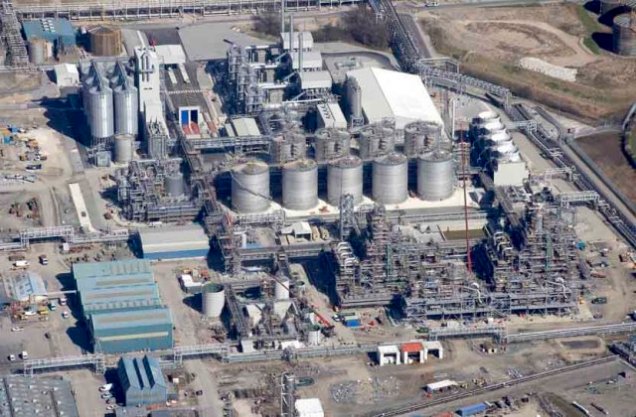
 Around 700 high-ranking representatives from politics, science, civil society and the business sector and from more than 70 countries met in Berlin, Germany, from 19 to 20 April to discuss the latest developments and challenges in the global bioeconomy. This was the second time that German Bioeconomy Council had organized the Global Bioeconomy Summit in the German capital. “We created an event format in the Global Bioeconomy Summit that succeeds in bringing together broad international expertise on bioeconomy, innovation, biodiversity and sustainability.
 Bio-on launched a brand-new line of cosmetic ingredients for sun protection made from its 100% natural and biodegradable bioplastic. The new products are part of the minerv bio cosmetics family of bioplastic micro powders presented in Spring 2017 and designed for cosmetics that respect the environment and human health.