
Elevance Renewable Sciences, Inc., the Illinois-based company which creates novel, high-performing specialty chemicals from renewable feedstocks, announced the commercial availability of Elevance Soft CG-200, a new plant-based emollient. Made from certified non-GMO coconut oil and Elevance’s soy-based polymer, Elevance Soft CG-200 expands the company’s line of bio-based personal care products.
 With the Food is Precious initiative IKEA aims to cut food waste by 50% in all IKEA stores by August 2020. A little more than a year since the roll out of the initiative IKEA has diminished food waste that is equivalent to one million meals.To put that into a context; one million meals could feed one thousand people for a whole year.

 U.S. environmental group the League of Conservation Voters launched a $2 million campaign to press this year’s candidates for state and local office to embrace clean energy, citing a lack of leadership on the issue in Washington.
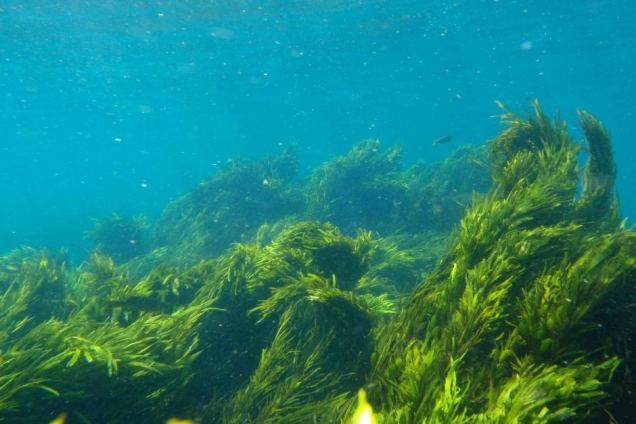 The marine biotechnology is high on the political agenda. Around 70 experts, company representatives and policy makers met at the European Parliament on March 21 to discuss what is needed for a successful European blue bioeconomy. The debate at the fully booked event revealed: the potential of the oceans is uncontested among experts, but its exploration requires close cooperation and knowledge sharing, a strong focus on sustainability, political commitment and finally, investor and consumer enthusiasm.
 British multinational company Croda International Plc, specialized in the field of speciality chemicals for some of the biggest, most successful brands in the world, acquired Nautilus Biosciences Canada Inc, a technology-rich marine biotechnology company based in Charlottetown, Prince Edward Island, Canada.

