Eni has launched the production of alternative sustainable aviation fuel (SAF) that will significantly contribute to the decarbonization of aviation in the short to medium term. Eni SAFs are produced exclusively from waste and residues, in line with the company’s strategic decision not to use palm oil from 2023.





 Gevo Inc., a leading renewable fuels and chemicals manufacturer, signed a Fuel Sales Agreement with Scandinavian Airline System (SAS) to produce and supply sustainable aviation fuel (SAF) for use and distribution in low carbon fuel regions of the United States. With the finalization of this new supply contract, Gevo will supply SAF to SAS from Gevo’s expanded Luverne, Minnesota plant, which is expected to be constructed over the next several years.
 SHV Energy joined the KLM Corporate BioFuel Programme (KCBP). In so doing, SHV Energy will reduce its headquarters’ CO2 emissions by 50%. Additionally, the Delft University of Technology (TU Delft) has extended its participation in KCBP for a further two-year period. TU Delft first joined the programme on 1 July 2017.
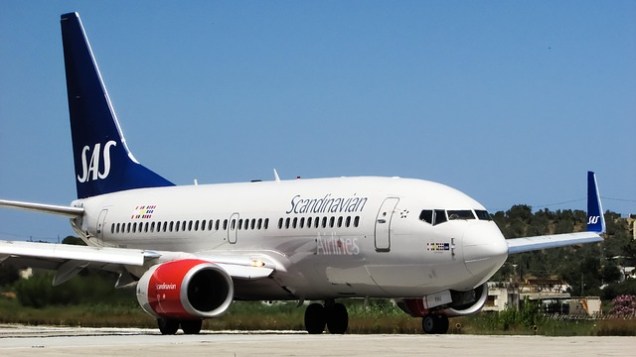 Travelers flying with SAS can now voluntarily choose to buy biofuel and so help reduce climate-affecting CO2 emissions by up to 80 percent. “The new non-profit service aims to pioneer a large-scale and competitive market for biofuel within aviation, in line with SAS’ sustainability strategy”, stated the Scandinavian airlines company.
 IL BIOECONOMISTA