
Eni and BMW Italia signed a Letter of Intent (LOI) to develop joint initiatives aimed at supporting the energy transition of the road transport sector. In particular, this agreement seeks to integrate biofuels with an increasingly broad offering of electric mobility services. HVO (Hydrotreated Vegetable Oil), the diesel biofuel produced by Enilive from 100% renewable raw materials (In accordance with the EU Renewable Energy Directive), represents a solution already available that contribute to transport decarbonization. Pure HVO can currently be used by validated engines and is distributed through existing infrastructure.

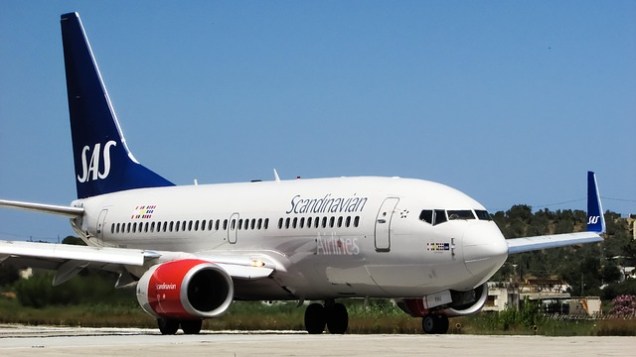 Travelers flying with SAS can now voluntarily choose to buy biofuel and so help reduce climate-affecting CO2 emissions by up to 80 percent. “The new non-profit service aims to pioneer a large-scale and competitive market for biofuel within aviation, in line with SAS’ sustainability strategy”, stated the Scandinavian airlines company.
 KLM Royal Dutch Airlines has signed a three-year contract for the supply of sustainable biofuel in Los Angeles. This means that KLM will purchase sustainable biofuel for all its flights at this airport for a period of three years. The biofuel will be produced by the local biofuel refinery AltAir Fuels and supplied by SkyNRG. Los Angeles is the world’s second airport that has incorporated biofuel into its regular refuelling process. The airport in Oslo, Norway, was first to do so in March this year. KLM was also involved in that initiative.
 The South African Airways Group (SAA) last Friday operated Africa’s first sustainable biofuel flights. The flights on Boeing 737-800s between Johannesburg and Cape Town made history as the first sustainable biofuel flights to have taken place on the African continent. They used home-grown feedstock from the Marble Hall area in the Limpopo region of South Africa as part of Project Solaris, a biofuels project named after the energy tobacco plant used (a technology made in Italy). The nicotine-free, hybridised tobacco plant lends itself to the production of biofuel as the Solaris plant produces small leaves and prodigious flowers and seeds that are crushed to extract a vegetable crude oil. The Solaris plant is ideally suited for this purpose as the remaining seedcake is used as a high protein animal feed supplement that also contributes to food security.


 IL BIOECONOMISTA