Biofuels or biochemicals? nova-Institut proposes a reform of the RED
nova-paper #4 “Proposals for a Reform of the Renewable Energy Directive to a Renewable Energy and Materials Directive (REMD)” presents a reform proposal that aims at creating a level playing field for bio-based chemicals and materials with bioenergy and biofuels in Europe. It is fundamentally different from other reforms of the Directive being currently discussed because it opens the perspective to not only look at energy, but also at bio-based materials.
Air travel is more bio-based. Gevo, Inc., the world’s only commercial producer of renewable isobutanol, announced last Tuesday that it has come to an agreement with Lufthansa to evaluate Gevo’s renewable jet fuel with the goal of approving Gevo’s alcohol-to-jet fuel (ATJ) for commercial aviation use. Lufthansa’s testing is being supported through work with the European Commission.
Rising demand for energy, from biofuels to shale gas, is a threat to freshwater supplies that are already under strain from climate change, the United Nations said in a report last Friday. March 22 was World Water Day in the UN calendar. It urged energy companies to do more to limit use of water in everything from cooling coal-fired power plants to irrigation for crops grown to produce biofuels.
Global Bioenergies, a French company that is developing a process to convert renewable resources into hydrocarbons through fermentation, announces the signature of a collaboration with the German car-manufacturer Audi on the development of isobutene-derived isooctane, a high performance biofuel for gasoline engines.
Bill and Melinda Gates: their Foundation supported the start-up of Amyris in 2005
The US biotech company Amyris aims at becoming a great player in the world bioeconomy. Founded in 2003 in the San Francisco Bay Area by a group of scientists at the University of California, Berkeley, Amyris – as anticipated during its prior quarter results call – has begun the production of its first fragrance oil at a specialty contract manufacturing facility. In 2014, building on the successful results of its initial fragrance oil production and based on feedback from its partner, Amyris plans to also produce this fragrance oil at its own Brotas production facility. The Brotas biorefinery currently produces Biofene, Amyris’s brand of farnesene, a renewable hydrocarbon used for a range of applications. Following planned improvements to the Brotas plant in early 2014, Amyris expects to be able to produce both Biofene and a range of other fermentation products, including its fragrance oils, at the plant.
This announcement follows the one of last December, when Amyris announced together with the French oil giant Total the formation of Total Amyris Biosolutions, a 50-50 joint venture that will produce market renewable diesel and jet fuel.
Actinogen Limited, heaquartered in Western Australia, has entered into a collaborative and royalty agreement with Leaf Energy Ltd in the company’s Bioethanol project. Under the terms of the agreement Leaf Energy, an Australian company focused on turning waste into biofuels, bioplastics and green chemicals, will fund further studies in Actinogen’s Bioethanol project; in which the company previously identified strains of actinomycetes capable of producing cellulases. Cellulase are enzymes used to breakdown cellulose from plant material, papers and industrial waste glycerols (biomass), and are an important step in the production of second generation bioethanols.
Agriculture Secretary Tom Vilsack has announced the availability of 181 million US dollars to develop commercial-scale biorefineries or retrofit existing facilities with appropriate technology to develop advanced biofuels. The U.S. Department of Agriculture (USDA) remains focused on carrying out its mission, despite a time of significant budget uncertainty. Vilsack’s announcement is one part of the Department’s efforts to strengthen the rural economy.
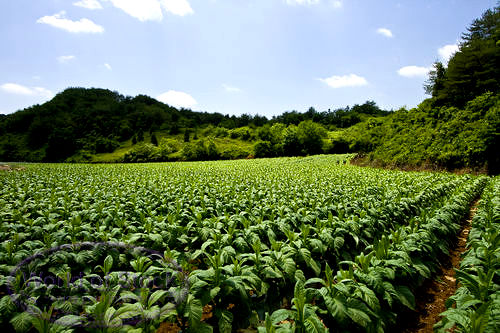
A Spanish researcher has demonstrated, for the first time, the viability of using specific tobacco proteins (known as thioredoxins) as biotechnological tools in plants.
In her PhD thesis Ruth Sanz-Barrio, an agricultural engineer of the NUP/UPNA-Public University of Navarre and researcher at the Institute of Biotechnology (mixed centre of the CSIC-Spanish National Research Council, Public University of Navarre and the Government of Navarre), has managed to increase the amount of starch produced in the tobacco leaves by 700% and fermentable sugars by 500%. “We believe that these genetically modified plants” – she explained – “could be a good alternative to food crops for producing biofuels, and could provide an outlet for the tobacco-producing areas in our country that see their future in jeopardy owing to the discontinuing of European grants for this crop.”
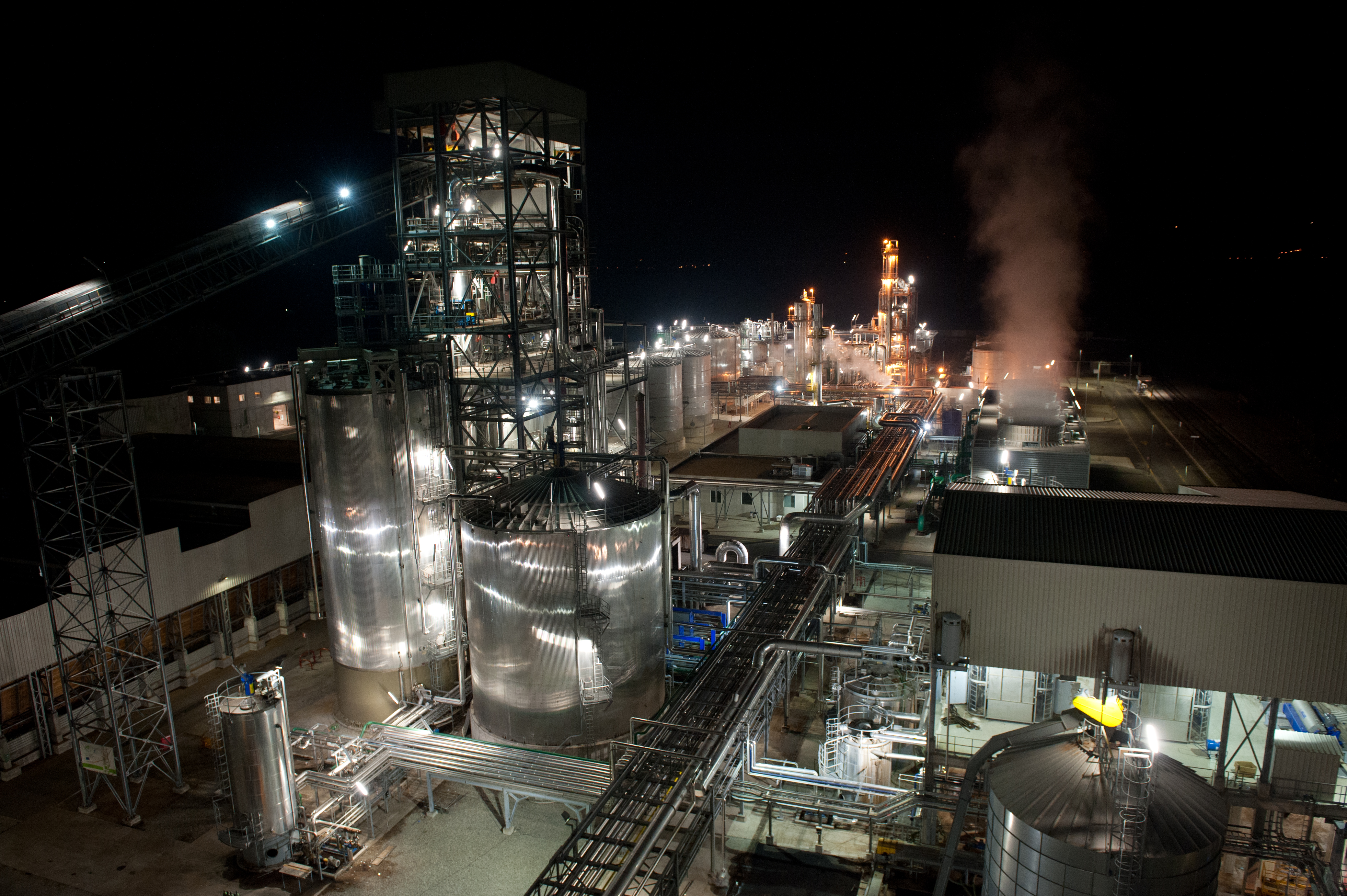
Beta Renewables, a global leader in cellulosic biofuels and part of the Mossi & Ghisolfi Group, and Novozymes, the world’s largest producer of industrial enzymes, today marked the official opening in Crescentino (Northern Italy) of the world’s largest advanced biofuels facility. Situated in fields in the Piedmont region, it is the first plant in the world to be designed and built to produce bioethanol from agricultural residues and energy crops at commercial scale using enzymatic conversion.
UCLA chemical engineering researchers have created a new synthetic metabolic pathway for breaking down glucose that could lead to a 50 percent increase in the production of biofuels.








 IL BIOECONOMISTA