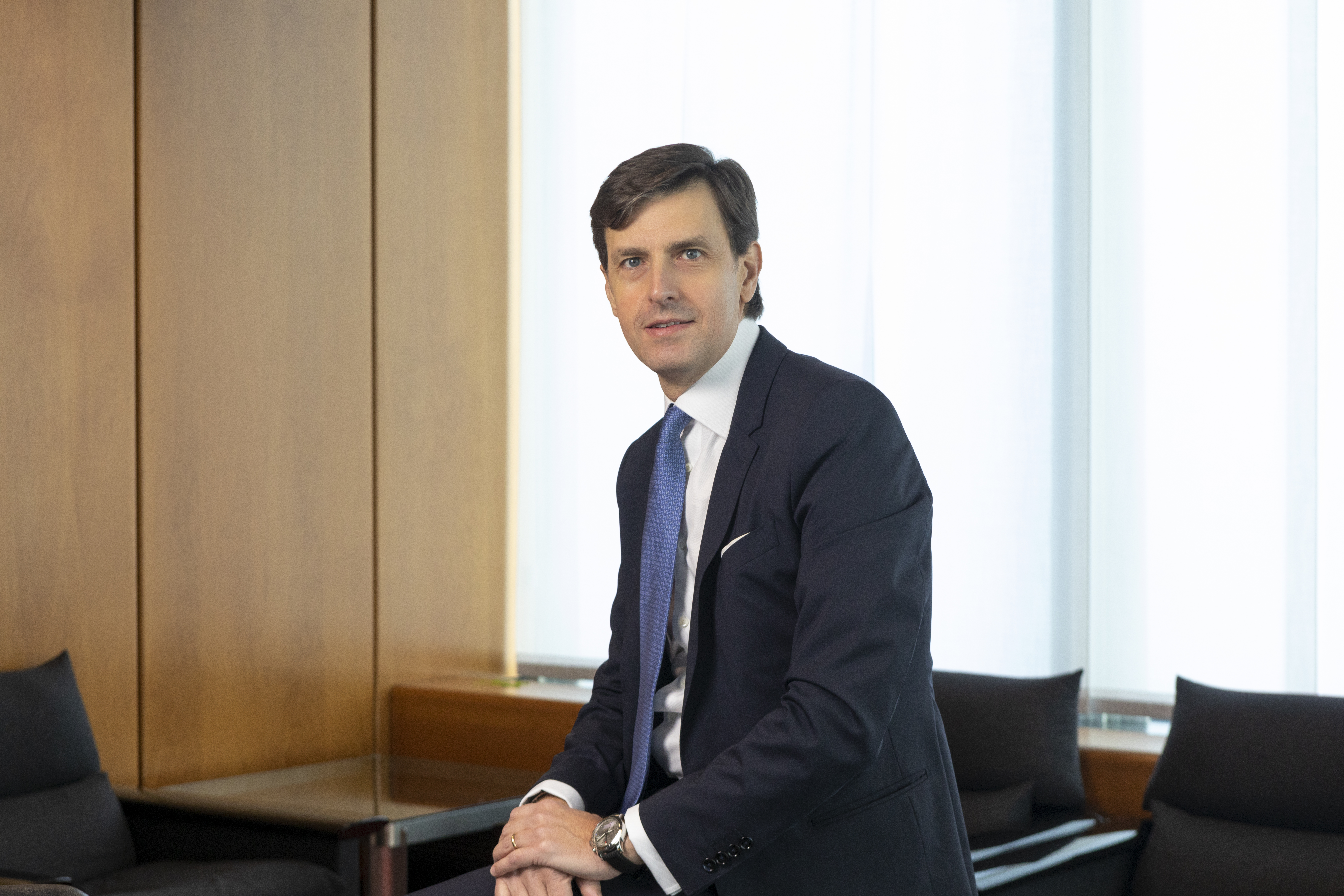
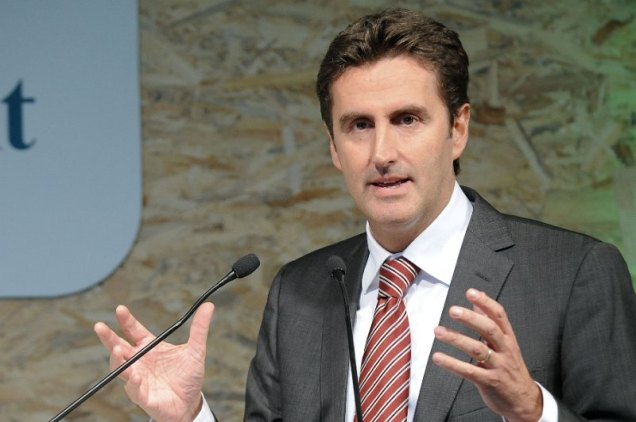
“Another main pillar of our strategy is to drive sustainability through chemistry from renewable sources. We already operate on two technological platforms: Proesa® starting from solid biomasses and Matrìca from vegetable oils.” Adriano Alfani, CEO Versalis – the chemical division of Italian oil company ENI, talks to Il Bioeconomista.
Versalis Sunpower is the name of the broad spectrum herbicide from renewable sources marketed by Versalis that controls annual and perennial weeds in urban and industrial areas. From pelargonic acid produced at the Porto Torres, Sardinia, plant, Versalis, based on the agreement with AlphaBio Control, a research and development company specialized in the creation of natural formulations for crop protection, offers to the market the product derived from vegetable oils which controls weeds by acting in synergy with solar radiation.
Versalis enters the market for bio-based products in the agriculture sector for the protection of crops. Thanks to an agreement with AlphaBio Control, a research and development company with offices in the United Kingdom and Italy specialised in the production of natural formulations for the protection of crops with its products already known in the pesticides market, Eni’s chemical company will develop bio-based and biodegradable herbicides and also biocides for the disinfection of surfaces, using as active ingredient productions from the bio-chemical platform in Porto Torres, Sardinia.
Versalis, Eni’s chemical company, has launched a new line to produce liquid hand disinfectant marketed under the brand name Invix™ at its plant in Crescentino (Vercelli, North-western Italy), to meet the growing demand as a result of the current health situation across the nation.
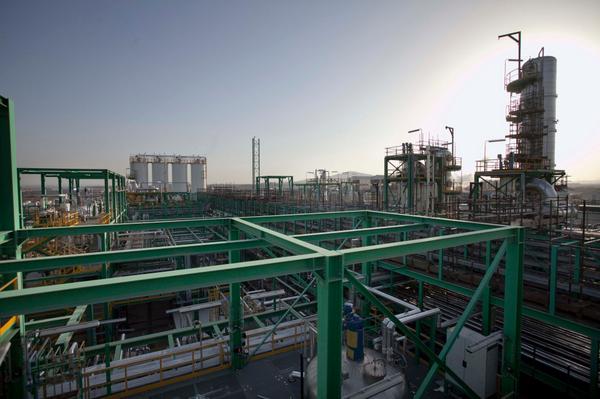
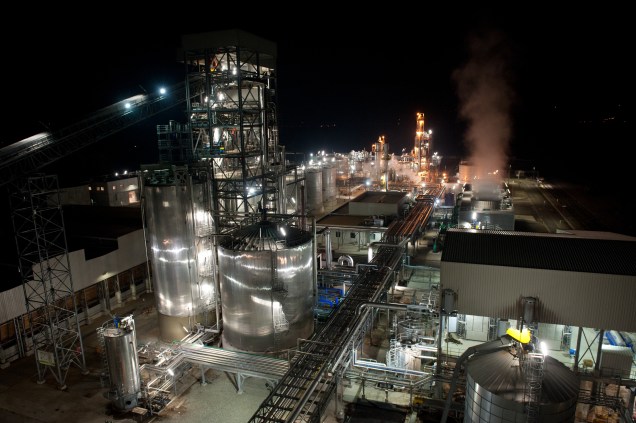
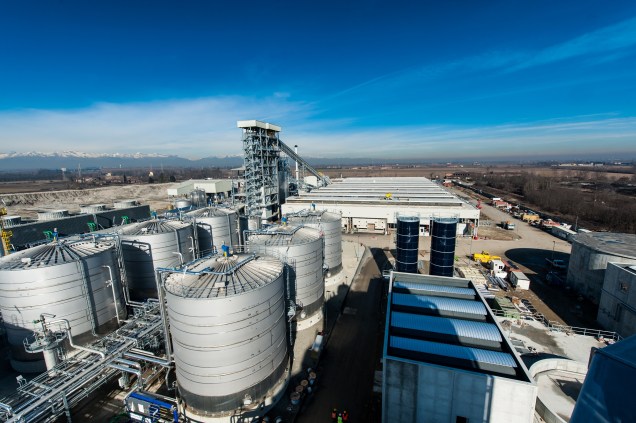
Versalis, the chemical division of the Italian oil company Eni, confirms that it is in the process of implementing an action plan that will lead to a resumption of operations at the former biorefinery of Mossi Ghisolfi Group in Crescentino, which were acquired in November 2018. New 35 hires are expected by the end of the year.
“The bioeconomy offers great opportunities for the European chemical industry to create new products, diversify its raw material base and reduce its dependence on non-renewable resources”. To say it – in this long exclusive interview with Il Bioeconomista – is Daniele Ferrari, CEO Versalis, the Chemical Division of Italian oil giant ENI, and President CEFIC, the European Chemical Industry Council. Ferrari talks with us about the main challenges the European chemical industry is facing, the circular bioeconomy and the next steps of Versalis in the green chemistry field.
“The Ipo (Initial public offering, editor’s note) of Versalis is not yet in Eni’s plans”, Massimo Mondazzi, CFO of the Italian oil giant, said last Friday during a conference call with analysts answering the question about the chemical quotation hypothesis. “We want to maintain and strengthen Versalis, there are no Ipo projects. The option is not in the plans,” he said.
The bio-butadiene (bio-BDE) technology developed by Versalis (Eni) in partnership with Genomatica has been named winner of the Environmental Achievement of the Year within the “Tire Technology International Awards for Excellence and Innovation”, the European independent award program for the tire industry.
Eni, the Italian oil giant, announces that the negotiations with the U.S. investment fund SK Capital over the sale of a majority share in Versalis S.p.A. have been terminated due to an impossibility to reach a resolution on certain issues, including the future governance of the company. Therefore, starting from the second quarter results, Eni will fully consolidate Versalis within the group’s accounts.
The conclusion of the Versalis deal is near. Claudio De Scalzi, Ceo of Eni, told the trade unions the company will decide whether to sell 70% of its chemical division to the US fund SK Capital in late May, early June.
The three main Italian trade unions in the chemical sector have reaffirmed the Ceo of the Italian oil giant their clear opposition to this possibility and asked to seek alternatives; one of these would be the CDP (Cassa Depositi e Prestiti), which is is an Italian bank founded in 1850 and constituted in its current form as a joint-stock company on 12 December 2003: 80.1% of the share capital is owned by the Italian Ministry of Economy and Finance, the 18.4% is held by various banking foundations, while the remaining 1.5% in treasury shares.




 IL BIOECONOMISTA