Carbon recycling pioneer, LanzaTech, continues to make strides in scaling up its alcohol to jet (ATJ) platform. Commercialization of the ATJ process has been years in the making, starting with the partnership between LanzaTech and the U.S Energy Department’s Pacific Northwest National Laboratory. PNNL developed a unique catalytic process to upgrade ethanol to first commercial flight with Virgin Atlantic, sustainable aviation fuel made from captured pollution is ready for full scale demonstration and commercialization.
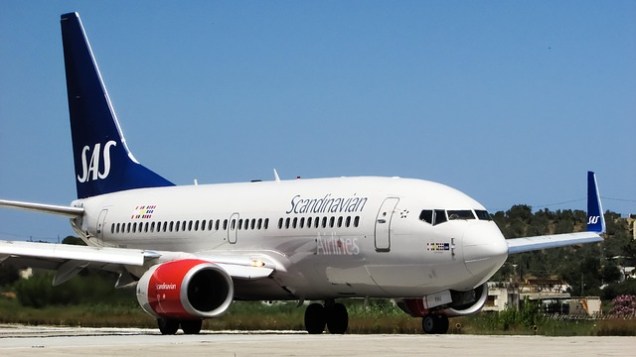 Gevo Inc., a leading renewable fuels and chemicals manufacturer, signed a Fuel Sales Agreement with Scandinavian Airline System (SAS) to produce and supply sustainable aviation fuel (SAF) for use and distribution in low carbon fuel regions of the United States. With the finalization of this new supply contract, Gevo will supply SAF to SAS from Gevo’s expanded Luverne, Minnesota plant, which is expected to be constructed over the next several years.
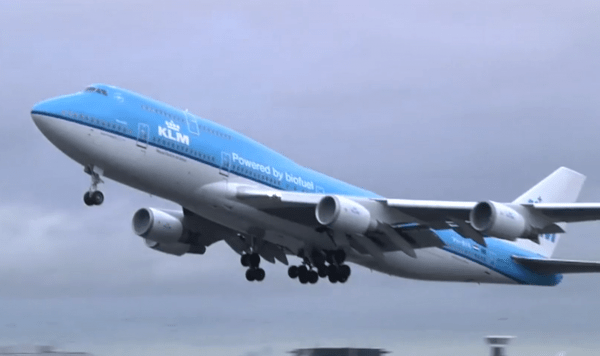 SHV Energy joined the KLM Corporate BioFuel Programme (KCBP). In so doing, SHV Energy will reduce its headquarters’ CO2 emissions by 50%. Additionally, the Delft University of Technology (TU Delft) has extended its participation in KCBP for a further two-year period. TU Delft first joined the programme on 1 July 2017.
 Borealis, a leading provider of innovative polyolefin solutions headquartered in Vienna, and Teste, the world’s leading provider of renewable diesel, renewable jet fuel and an expert in delivering drop-in renewable chemical solutions, entered into strategic co-operation for the production of renewable polypropylene (PP). The co-operation will enable Borealis to start using Neste’s 100% renewable propane produced with Neste’s proprietary NEXBTL™ technology as renewable feedstock at its facilities in Kallo and Beringen, Belgium, starting end of 2019.
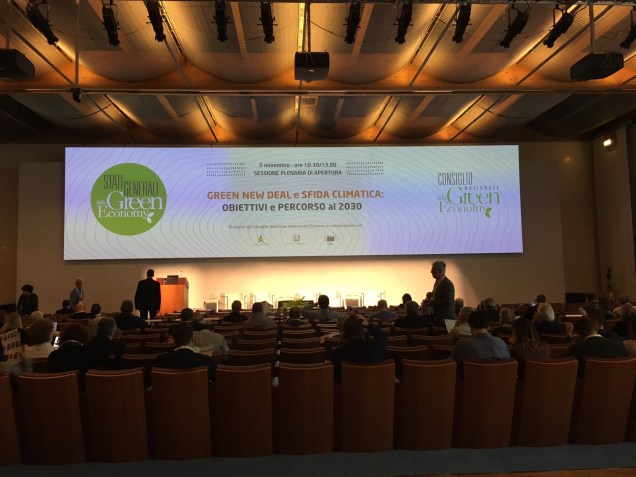 From new models of circular economy development to technological solutions for managing and protecting resources. Ecomondo opened its doors yesterday at Rimini Expo Centre to generate Italian Exhibition Group´s vast international platform aimed at favouring the growth of an innovative entrepreneurial ecosystem, the only one able to lead to building a more sustainable future.

 SABIC, a global leader in the chemical industry, launched a polycarbonate (PC) based on certified renewable feedstock – a first in the industry, providing SABIC and its direct and ultimate customers with a solution that has the potential to reduce both CO2 emissions and the use of fossil feedstock during production.
 Collaboration between Clariant Masterbatches – a recognized global leader in color and additive concentrates and performance solutions for plastics, polymer producer ExxonMobil and Plastivaloire Group, a specialist in automobile interior design, has produced a huge new family of colors that can be expected to change the look of car interiors dramatically in the next few years. The colors are being introduced during a special technical presentation on the ExxonMobil stand at K 2019, the international plastics trade fair being held October 16-23 at Messe Dusseldorf in Germany.
