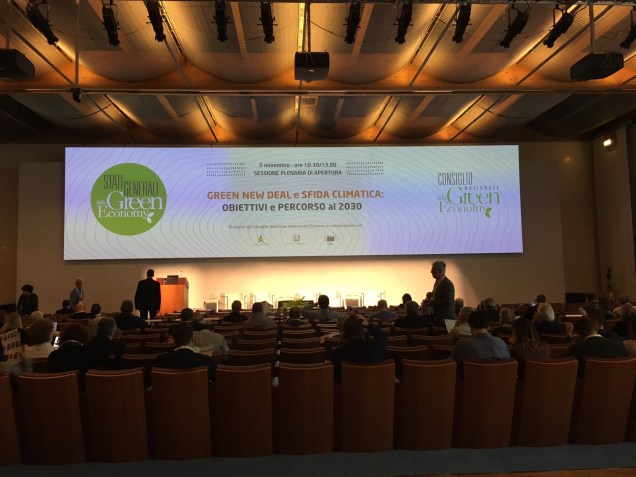
 From new models of circular economy development to technological solutions for managing and protecting resources. Ecomondo opened its doors yesterday at Rimini Expo Centre to generate Italian Exhibition Group´s vast international platform aimed at favouring the growth of an innovative entrepreneurial ecosystem, the only one able to lead to building a more sustainable future.
Continue reading
Politics
Big corn, big oil both blast President Trump biofuel plan at EPA hearing
 According to Thomson Reuters, “corn farmers, ethanol producers, refinery representatives, energy traders and state and local officials from the Midwest all blasted away at the Trump administration’s proposed biofuels plan for next year during a public hearing on Wednesday hosted by the U.S. Environmental Protection Agency (EPA).”
The EIB boosts its support for cities and regions to tackle climate change and foster social inclusion
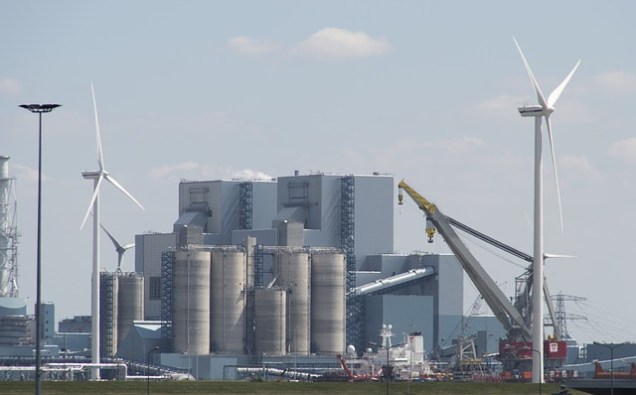
The EIB boosts its support for cities and regions to tackle climate change and foster social inclusion. During the last 5 years (2014-2018), the EU bank dedicated EUR 104 billion to urban lending including health, housing, urban transport or water and wastewater management.
IFIB 2019: the best in the bioeconomy has yet to come!
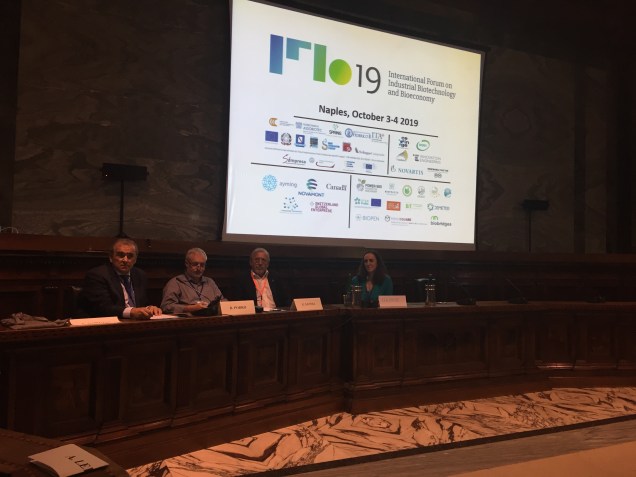 Three days of meetings, debates and presentations in Naples for IFIB from 2nd to 4th October. With around 250 participants from 30 different countries, the International Forum on Industrial Biotechnology and Bioeconomy is confirmed as a leading event of the circular bioeconomy in Europe.
Naples was truly the world capital of the bioeconomy, hosting innovative companies such as LanzaTech, Fater, Novamont, Terravesta, Pirelli and Sulzer, research centers such as National Research Council of Italy, VTT of Finland, Wageningen University and Fiat Automotive Research Center. And then: TEAGASC (Ireland), Frost & Sullivan (UK), European Forest Institute, OECD, Bioeconomy Cluster of Slovakia, Cluster Food+i (Spain), Irish Bioeconomy Foundation and many other world bioeconomy stakeholders.
The bioeconomy revolution is really unstoppable and I strongly believe that the best has yet to come! I would like to thank once again all friends and colleagues who join IFIB in Naples. It was amazing!
See you next year in Rome (stay tuned!)
MB
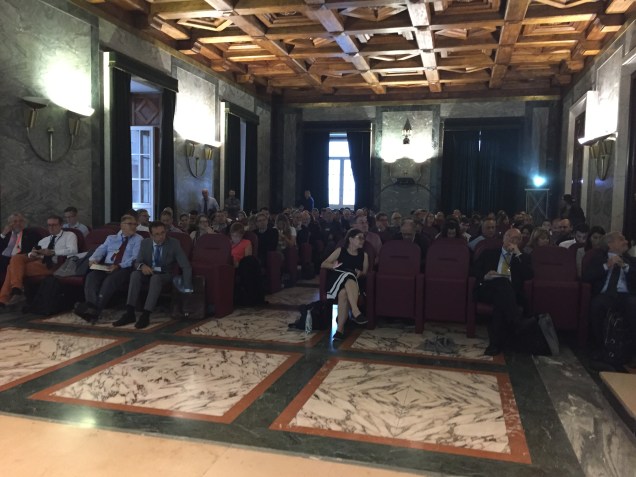


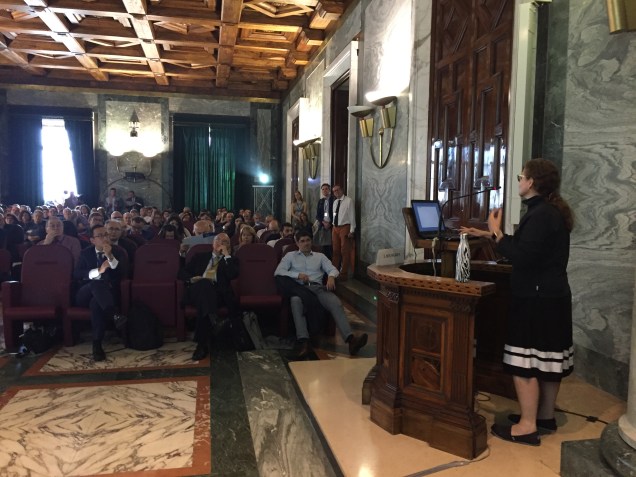

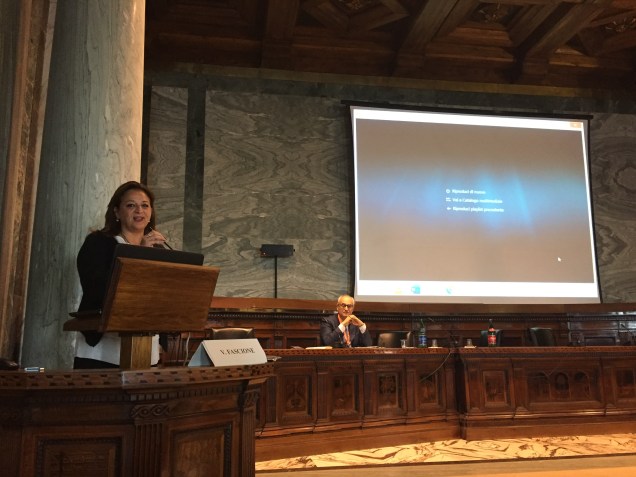


The global bioeconomy community gathers in Naples at IFIB
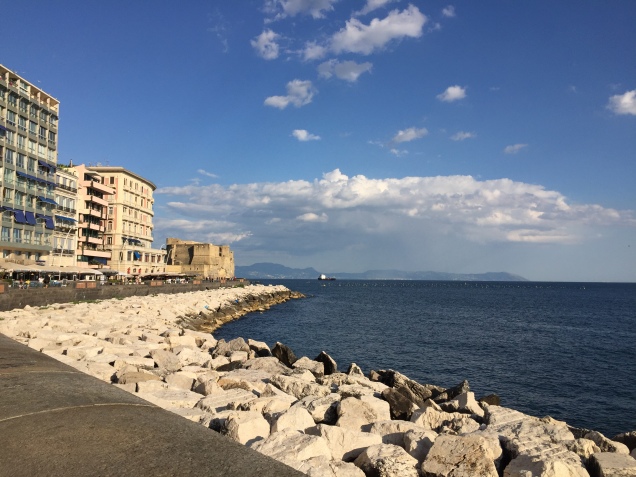
Naples is the world capital of the bioeconomy. The International Forum on Industrial Biotechnology and Bioeconomy (IFIB) is about to start today in the fascinating Italian city at the Congress Center of the University Federico II.
With more than 300 delegates in attendance from approximately 25 different countries from all around the world, the conference truly succeeds one more time in its ambitions aim to be one of the leading bioeconomy event at global level. Continue reading
The White House is seeking information on US bioeconomy
The Office of Science Technology and Policy (OSTP) requests input from all interested parties on the U.S. Bioeconomy. According to OSTP, “the Bioeconomy represents the infrastructure, innovation, products, technology, and data derived from biologically-related processes and science that drive economic growth, promote health, and increase public benefit.”
Ursula von der Leyen presented the new team of the European Commission. Here the list of Commissioners for the bioeconomy

Following are nominees for the next European Commission. Job assignments were announced yesterday by the incoming president, Ursula von der Leyen of Germany.
Il Bioeconomista’s list focuses on commissioners more involved in the Bioeconomy.
An exclusive interview with Daniele Ferrari, CEO Versalis (ENI) and President CEFIC
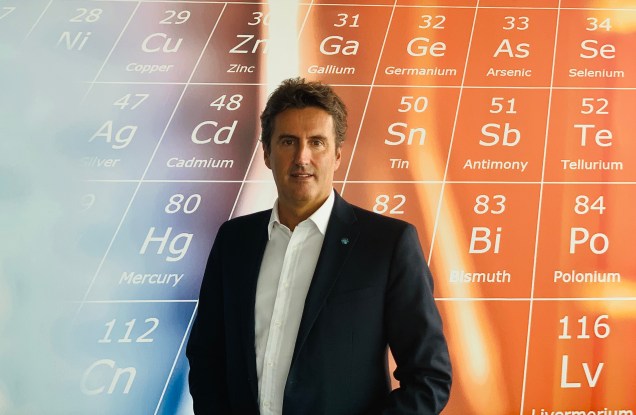
“The bioeconomy offers great opportunities for the European chemical industry to create new products, diversify its raw material base and reduce its dependence on non-renewable resources”. To say it – in this long exclusive interview with Il Bioeconomista – is Daniele Ferrari, CEO Versalis, the Chemical Division of Italian oil giant ENI, and President CEFIC, the European Chemical Industry Council. Ferrari talks with us about the main challenges the European chemical industry is facing, the circular bioeconomy and the next steps of Versalis in the green chemistry field.
Interview by Mario Bonaccorso
We don’t take this planet for granted. A new Manifesto for the circular bioeconomy: BioRev
 A new movement focused on a circular bioeconomy, which brings together all people who strongly believe that a more sustainable world is possible. A movement which takes the leadership at global level to make the circular bioeconomy happen.
Manifesto
We want to launch the BioRev, a movement open to anyone who believes that the bioeconomy and the circular economy need joint forces to reconcile economy, society and the environment.
The two concepts have advanced in parallel but in order to become mainstream they need to mutually reinforce each other to be the basis of a new economic paradigm. We want to promote the spread of a new economic and social model, not only to preserve our environment and protect biodiversity, but also to reduce the social inequalities that the current model has produced. We are convinced that the circular bioeconomy is democracy.
We want to lead a movement that addresses the challenges that this millennium presents us with the awareness that there is no time to lose and that today we have all the knowledge and material conditions to generate wealth and qualified jobs without polluting the planet and compromising the health conditions of workers and citizens. Over fifty countries in the world, from north to south and from east to west, have included the circular bioeconomy in their programs of sustainable development and the fight against climate change. Yet still today there is a huge resistance from those who defend positions no longer defensible, without looking to our future and the one of new generations.
This generation, our generation, has an essential task: to reverse the trend, to create a new development within the limit of the planet that is inclusive for all, men and women, in the North and the South of the world. For this reason we launch this manifesto asking you to join the BioRev.
To join us leave a comment with your name, surname and country.
BioRev is Bioeconomy Revolution and also BIOeconomyREnewableVision
Mario Bonaccorso, Italy
Felice Amori, Italy
Tatjana Schwabe, Germany
Bernardo Silva, Brazil
Peter Flippo, Netherlands
Irene Baños Ruiz, Spain
Simão Soares, Portugal
Gianluca Carenzo, Italy
Marguerite Braudel, France
Emanuele Bompan, Italy
Domenico Centrone, Italy
Vito Carofiglio, Italy
Filippo Martinelli, Ireland
Ulrich Baumann, Germany
In Germany in 2020 the topic of the annual “Year of Science” is Bioeconomy
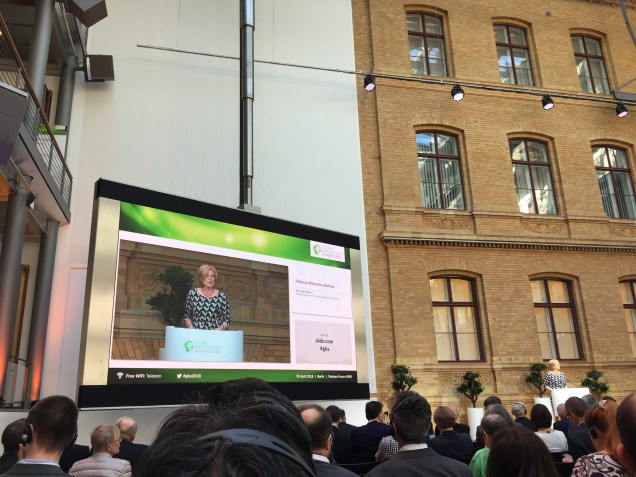
The German Federal Ministry of Education and Science announced that in 2020 the topic of the annual “Year of Science” will be Bioeconomy.

