Waiting for the French national strategy, the bioeconomy moves forward in France. Global Bioenergies, IBN-One, Cristal Union and L’Oréal announced yesterday the launch of a 44-month industrial and commercial project focused on the first bio-isobutene plant.
Forward-thinking businesses are partnering with the World Business Council for Sustainable Development (WBCSD), Roundtable for Sustainable Biomaterials (RSB) and Sustainable Energy for All (SE4ALL) through a new global initiative called below50, to promote the best-of-breed of sustainable fuels that can achieve significant carbon reductions, and scale up their development and use.
Bioeconomy is economic growth and new green jobs. A new evidence comes from Finland. The Research Institute of the Finnish Economy (ETLA) studied the impact of Metsä Group’s bioproduct mill being constructed in Äänekoski in terms of revenue, value added and employment. The impact of the largest investment to date in the history of Finnish forest industry has significant repercussions in the economy during both the construction and the operation of the mill.
According to ETLA’s calculations, the 1.2 billion euro investment in the bioproduct mill will increase the revenue of companies operating in Finland by around 2.4 billion euro at the construction stage, and it will generate value added that will be directly reflected in economic growth in the amount of nearly 1 billion euro during 2015–2018. The annual employment effects arising from construction during 2016 and 2017 total nearly 4,000 person-years when the effects on the value chain and consumption are included in the calculation. This equals 0.16 per cent of the total employed workforce in Finland.
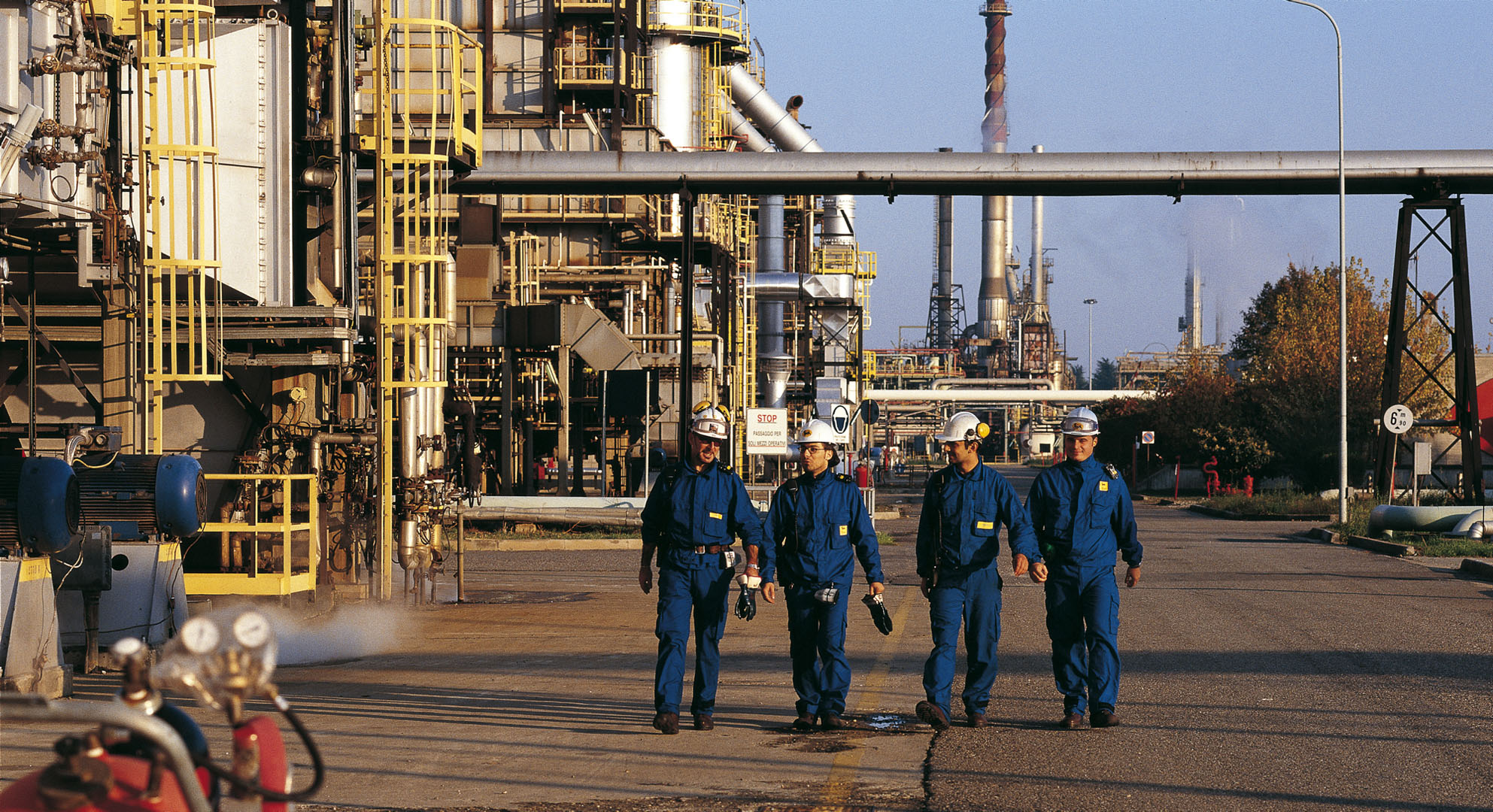
Waiting for the new buyer of Versalis, Eni – the Italian oil giant – has made new and important progress in its commitment to combatting climate change, creating an original model of integration between its traditional business and energy from renewable sources.
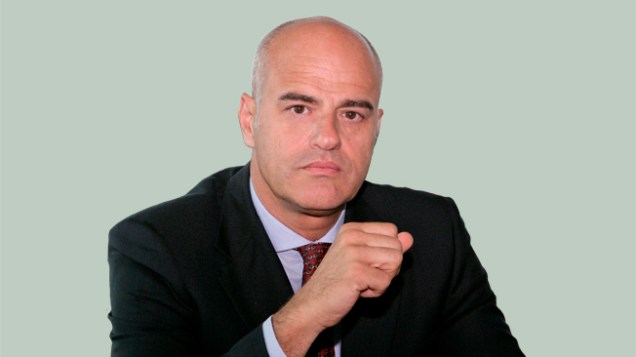
The conclusion of the Versalis deal is near. Claudio De Scalzi, Ceo of Eni, told the trade unions the company will decide whether to sell 70% of its chemical division to the US fund SK Capital in late May, early June.
The three main Italian trade unions in the chemical sector have reaffirmed the Ceo of the Italian oil giant their clear opposition to this possibility and asked to seek alternatives; one of these would be the CDP (Cassa Depositi e Prestiti), which is is an Italian bank founded in 1850 and constituted in its current form as a joint-stock company on 12 December 2003: 80.1% of the share capital is owned by the Italian Ministry of Economy and Finance, the 18.4% is held by various banking foundations, while the remaining 1.5% in treasury shares.
Marlon Brando as don Vito Corleone in The Godfather
During my ten years at Accenture in Rome my boss always made a point of checking that in our bids for client work we were making them offers they couldn’t refuse. He’d been inspired by Marlon Brando in the Godfather, without the gun parts clearly. Our business grew from 300 to 3000 people.
The guys and gals at the European Commission in Brussels are right now putting the finishing touches to a Communication on Transport Decarbonisation, due out this summer. A Commission Communication is the closest thing there is to an EU law without actually being a law. If it’s any good it will set direction on transport decarbonisation for the next twenty years and go a long way to saving the planet from catastrophic climate change.
UPM, the Finnish forest industry company, and the Shanghai-based Tongji University College of Design and Innovation started cooperation in 2015 with a target to create a modern concept for the traditional Chinese tea house by using UPM’s innovative wood-based biomaterials. The project has now reached its goal with the introduction of the Biofore Tea House in the ‘Moi Helsinki’ event in Beijing, China on 13-15 May 2016.
Renewable materials company Stora Enso and specialty chemicals company Rennovia have announced a joint development and license agreement to cooperate on bio-based chemicals development.
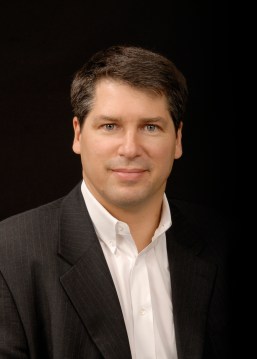
“We believe that we are at the beginning of an evolution in the chemical industry where man has the ability to replace some chemicals that have been produced via the petro route with the same chemicals now using sugar as their source of carbon instead of fossil fuels”. Mike Hartmann, executive vice president of BioAmber, talks to Il Bioeconomista
BioAmber is a sustainable chemicals company, whose proprietary technology platform combines industrial biotechnology and chemical catalysis to convert renewable feedstock into building block chemicals for use in a wide variety of everyday products including plastics, resins, food additives and personal care products. The company, which is one of the main world bioeconomy’s players, has been listed on the New York Stock Exchange since May 2013, under the symbol BIOA. And is also listed on the NYSE Euronext Paris exchange, under the same symbol. BioAmber is a Delaware corporation with a head office in Montreal, Quebec, Canada, a research facility in Plymouth (Minneapolis), Minnesota, and a commercial plant operating in Sarnia, Ontario, Canada. Its investors include Sofinnova Partners (France), Naxos Capital Partners (Luxemburg), Mitsui & Co. (Japan), Lanxess (Germany) and the Cliffton Group (Canada).
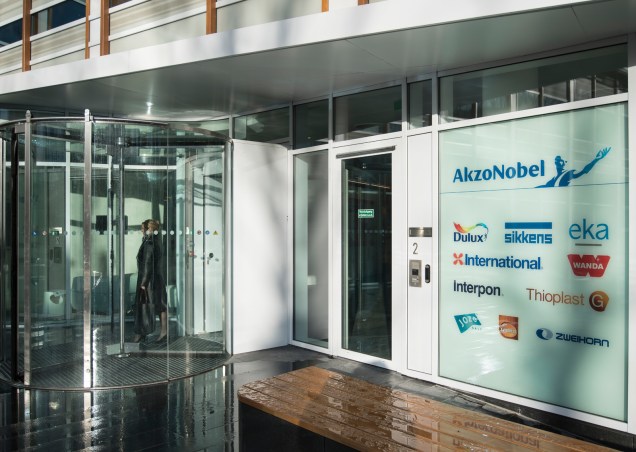
The bioeconomy in the Netherlands takes another step forward, bringing together industry and agriculture. AkzoNobel, Dutch leading global paints and coatings company and a major producer of specialty chemicals, and agro-industrial cooperative Royal Cosun have formed a new partnership to develop novel products from cellulose side streams resulting from sugar beet processing.






 IL BIOECONOMISTA