Carbon recycling pioneer, LanzaTech, continues to make strides in scaling up its alcohol to jet (ATJ) platform. Commercialization of the ATJ process has been years in the making, starting with the partnership between LanzaTech and the U.S Energy Department’s Pacific Northwest National Laboratory. PNNL developed a unique catalytic process to upgrade ethanol to first commercial flight with Virgin Atlantic, sustainable aviation fuel made from captured pollution is ready for full scale demonstration and commercialization.
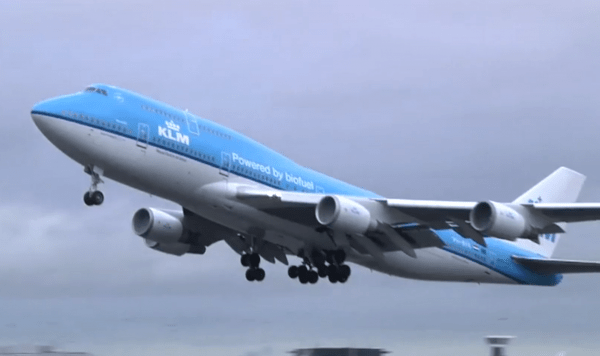 SHV Energy joined the KLM Corporate BioFuel Programme (KCBP). In so doing, SHV Energy will reduce its headquarters’ CO2 emissions by 50%. Additionally, the Delft University of Technology (TU Delft) has extended its participation in KCBP for a further two-year period. TU Delft first joined the programme on 1 July 2017.
 Borealis, a leading provider of innovative polyolefin solutions headquartered in Vienna, and Teste, the world’s leading provider of renewable diesel, renewable jet fuel and an expert in delivering drop-in renewable chemical solutions, entered into strategic co-operation for the production of renewable polypropylene (PP). The co-operation will enable Borealis to start using Neste’s 100% renewable propane produced with Neste’s proprietary NEXBTL™ technology as renewable feedstock at its facilities in Kallo and Beringen, Belgium, starting end of 2019.
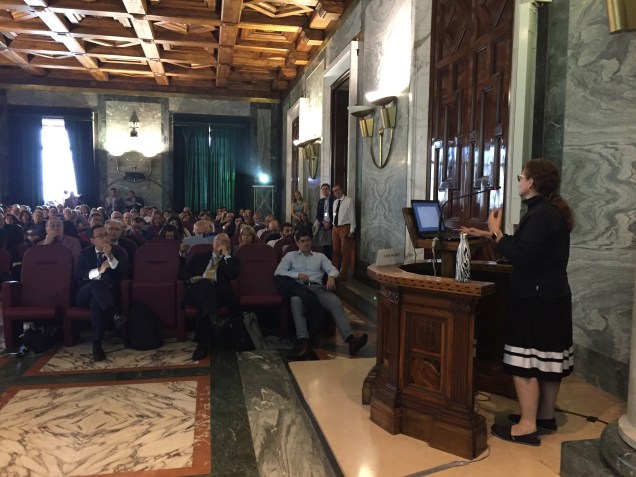
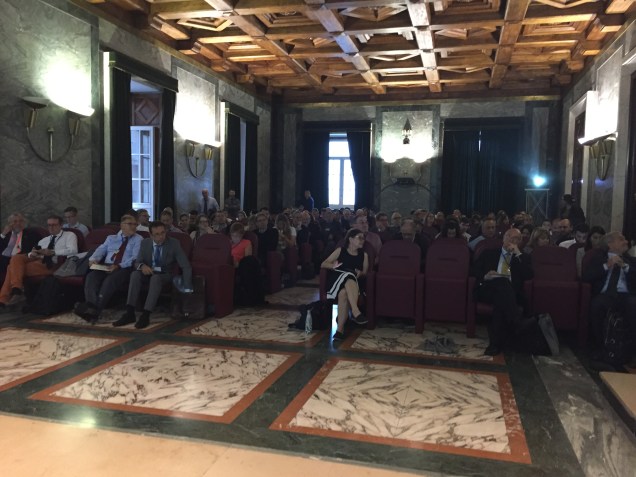
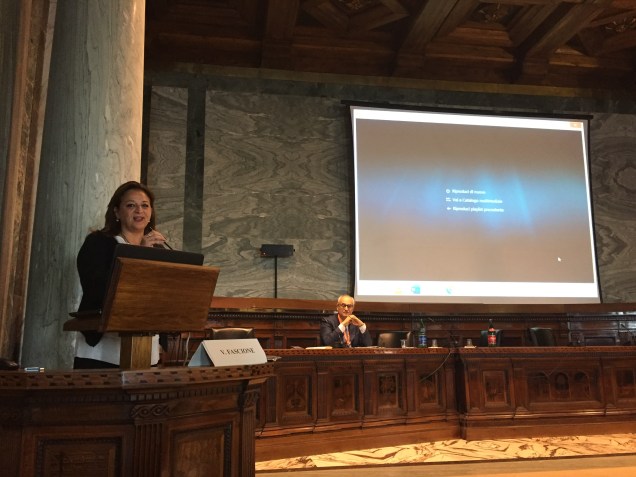
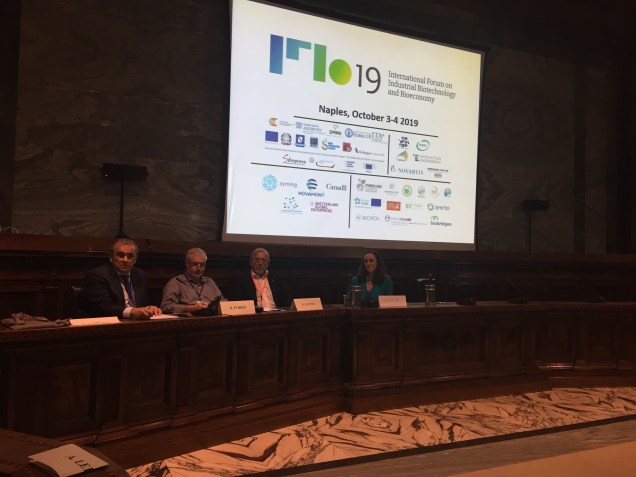 Three days of meetings, debates and presentations in Naples for IFIB from 2nd to 4th October. With around 250 participants from 30 different countries, the International Forum on Industrial Biotechnology and Bioeconomy is confirmed as a leading event of the circular bioeconomy in Europe.






 Travelers flying with SAS can now voluntarily choose to buy biofuel and so help reduce climate-affecting CO2 emissions by up to 80 percent. “The new non-profit service aims to pioneer a large-scale and competitive market for biofuel within aviation, in line with SAS’ sustainability strategy”, stated the Scandinavian airlines company.