The Bio-based Industries Joint Undertaking, a public-private partnership between the EU and the Bio-based Industries Consortium (BIC), has approved the funding of 10 projects totalling €120 million to boost the EU capacity to stimulate growth and jobs via a more circular, low carbon and sustainable bioeconomy.
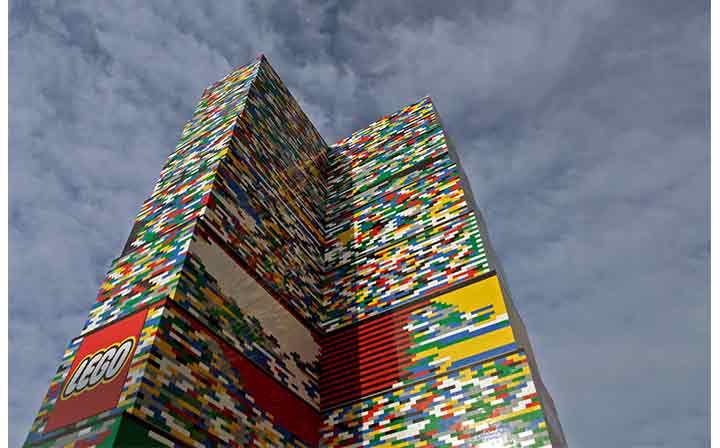
The LEGO Group announced a significant investment of DKK 1 billion (approximately € 135 million) dedicated to research, development and implementation of new, sustainable, raw materials to manufacture LEGO® elements as well as packaging materials. The LEGO Group believes a new sustainable material must have an ever-lighter footprint than the material it replaces across key environmental and social impact areas such as fossil resource use, human rights and climate change.
Adisseo, a world leader in nutritional solutions and additives for animal feed, and Novozymes have entered into a partnership to develop and market probiotics for poultry.
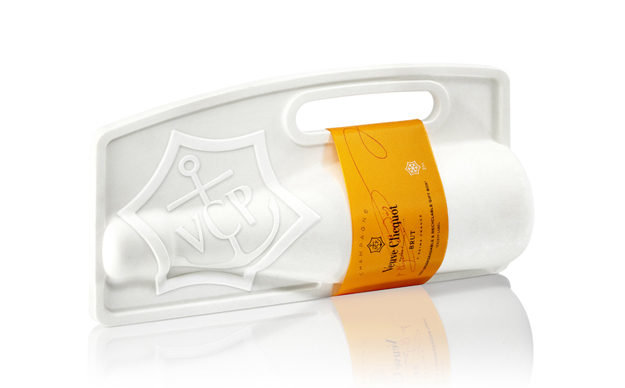
PaperFoam , a young and innovative packaging company based in the Netherlands and specialized in biobased packaging solutions with very low carbon footprint, won the DieLine Sustainable Packaging Award 2015 for its Naturally Clicquot 2, an eco-packaging design solution made from PaperFoam material for champagne producer Veuve Clicquot.
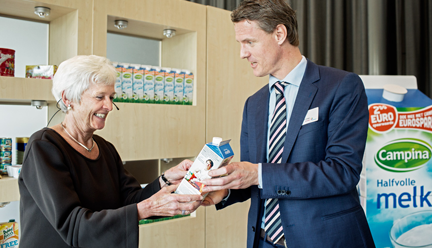
Berndt Kodden hands the first bio-based milk carton to Jacqueline Cramer
FrieslandCampina, one of the world’s five largest dairy companies with annual revenue of 11.3 billion euro, plans to introduce a new bio-based beverage carton over the next 1.5 years, starting with fresh milk and buttermilk from Campina in June 2015. For the production of the cap and the coating certified organic waste material is purchased. The paper in the carton was already renewable and this innovation makes it – Dutch company says – the most sustainable beverage carton ever. The CO2 footprint of this bio-based milk carton is 20% lower than the current carton. This is a scoop on the Dutch market.
Amyris, Inc., a global renewable products company providing sustainable alternatives to a variety of non-renewable resources, and Squalan Natural Health B.V., a privately held, personal care product company based in The Netherlands, have entered into agreements for the production and marketing of Neossance Squalane-based personal care products.
The partnership between Amyris and Squalan accelerates development and market penetration of skin care and personal care products containing Amyris’s Neossance Squalane, which is produced from plant sugars. Under this new relationship, Squalan will market and sell Neossance-based products to retailers and consumers, primarily in the European Union.
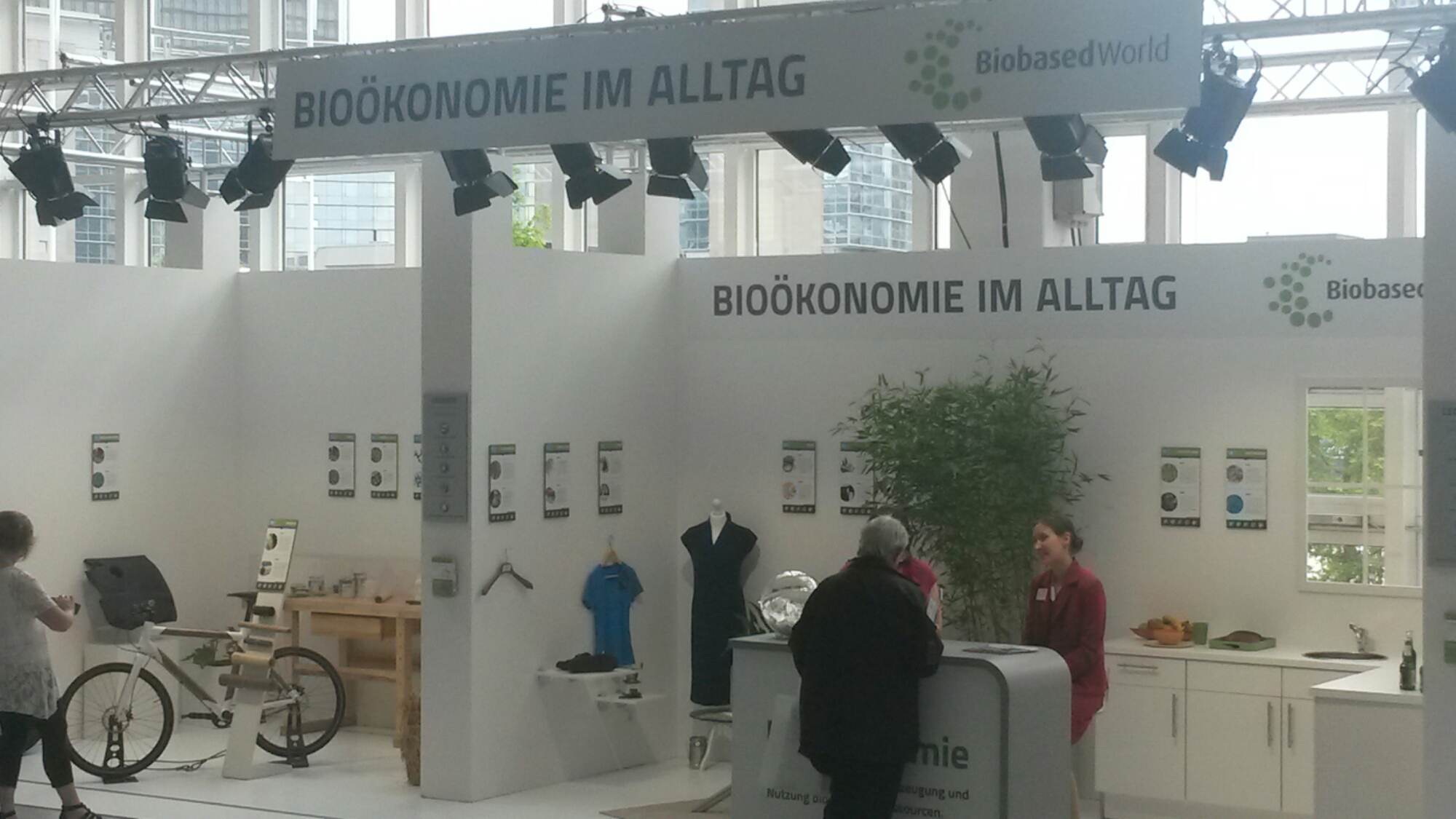
With less than one month to go before the official opening of Milan Expo 2015, almost nine million tickets have already been sold and organizers say the event is set to shine. The food-themed universal exposition runs from May 1 through October 31 with a record 53 single-nation pavilions, along with nine clusters representing about 90 countries and theme-based pavilions. About 140 countries in all will participate in Milan Expo 2015, under the theme: Feeding the Planet, Energy for Life. Some 20 million visitors are expected to join in on events that are based on promoting a sustainable global food system and fighting hunger. All these visitors will support the bioeconomy. Why?
The comfortable and generously-sized Kuskoa Bi is the first chair on the market to be manufactured in bioplastic. Its particularly enveloping shell, cut out in such a way as to optimize back and arm support, is delicately placed on a solid wood trestle. The designer is Jean Louis Iratzoki. The manufacturer is Alki, a French company.
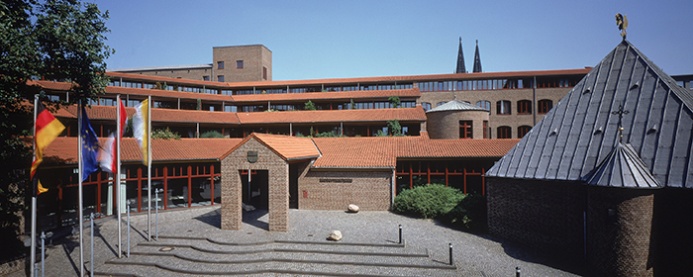
For the eighth year running the Innovation Award “Bio-based Material of the Year” will be awarded to the young, innovative bio-based material industry, finding suitable applications and markets for bio-based products. The competition focuses on new developments in these areas, which have had (or will have) a market launch in 2014 or 2015. The winners will be elected at the International Conference on Bio-based Materials, 13-15 April 2015 in Cologne, Germany, organised by nova-Institut. This year, six bio-based materials and products have been nominated for the Award by the advisory board – out of 24 submitted products. The nominated companies are from the United Kingdom, the United States and Germany.
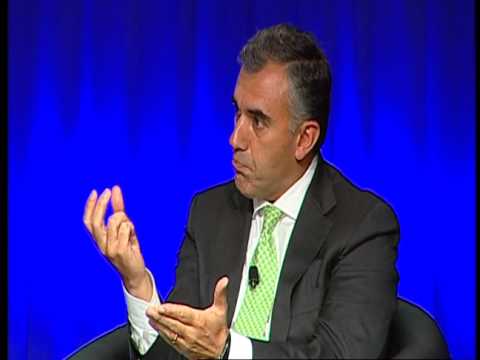
John Bell, Director Bioeconomy Directorate EU Commission
The European bioeconomy and its contribution to the creation of jobs and economic growth. The Juncker agenda and the new plans of the European Commission to foster the development of the bioeconomy . These are just some of the topics addressed by John Bell – Director of Bioeconomy Directorate of the European Commission – in this exclusive interview with Il Bioeconomista.
“The Bioeconomy – Bell says – contributes to generating jobs and growth, whilst increasing Europe’s competitiveness worldwide as well as decreasing the environmental footprint of our economy. It is furthermore closely related with other key priorities of the Juncker Commission, such as the Climate and Energy Union.”