Waiting for a New Global New Deal. Is there a new F.D. Roosevelt in Europe (and in Italy)?

new deal rooseveltI am certain that my fellow Americans expect that on my induction into the Presidency I will address them with a candor and a decision which the present situation of our Nation impels. This is preeminently the time to speak the truth, the whole truth, frankly and boldly. Nor need we shrink from honestly facing conditions in our country today. This great Nation will endure as it has endured, will revive and will prosper. So, first of all, let me assert my firm belief that the only thing we have to fear is fear itself—nameless, unreasoning, unjustified terror which paralyzes needed efforts to convert retreat into advance. In every dark hour of our national life a leadership of frankness and vigor has met with that understanding and support of the people themselves which is essential to victory. I am convinced that you will again give that support to leadership in these critical days.

Continue reading

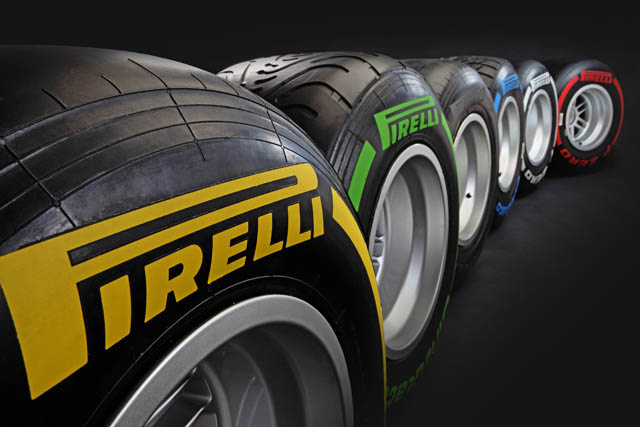
Versalis and Yulex partner to produce guayule-based biorubber

versalis eniVersalis (Italy), a global leader in elastomers and a subsidiary of Eni, and Yulex Corporation (Arizona, USA), an agricultural-based biomaterials company, announced today they are forming a strategic partnership to manufacture guayule-based biorubber materials and will launch an industrial production complex in Southern Europe.

The partnership will cover the entire manufacturing chain from crop science to biorubber extraction to the construction of a biomass power station. Versalis will manufacture materials for various applications: after an initial focus on consumer and medical specialty markets, the target is to optimize the process to reach the tire industry.

The partnership will leverage Yulex’s core competencies including crop science and biorubber extraction technologies, to boost Versalis’ bio-based portfolio. The investment will include an ambitious research project to develop technologies targeting the tire industry.

Continue reading

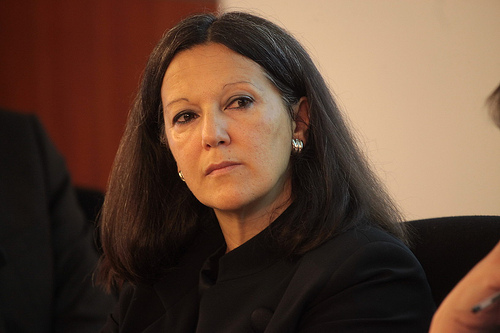
Exclusive interview with European Commissioner Màire Geoghegan-Quinn: “We must prepare ourselves for a post-petroleum society”

european commissioner maire geoghegan-quinn

“Europe and the rest of the world must cope with an expected 70 per cent increase in food demand, and a 100 per cent increase in energy demand, by 2050. Under these circumstances, we must prepare ourselves for a ‘post-petroleum’ society, one in which we use our natural resources more sustainably”. In this exclusive interview European Commissioner for Research, Innovation and Science, Màire Geoghegan-Quinn, talks about bioeconomy and European policies to support it. And tells us that “The Italian government is aware of the benefits of a coordinated bioeconomy strategy and expressed interest in possibly hosting the annual Bioeconomy Stakeholders Conference in Italy in 2014”.

Interview by Mario Bonaccorso

Continue reading

La bioeconomia tra Krugman e il fiscal compact

krugmanIl sostegno alla crescita della bioeconomia in Europa è conciliabile con il fiscal compact? È possibile sostenere la crescita dell’economia con una politica economica vincolata per i prossimi vent’anni  all’obiettivo di riduzione del debito di circa 50 miliardi all’anno (certo, con variazioni a seconda che si avvii o meno la tanto attesa ripresa)?

Queste domande ci piacerebbe potessero fare il proprio ingresso nella campagna elettorale italiana. Per trovare risposte da tutti gli schieramenti. Perché se in tanti oggi corrono (a parole) a (ri)scoprire Paul Krugman, il premio Nobel per l’economia che da sempre è critico con la politica europea di austerità e di mantenimento della stabilità dei prezzi, in quanto politica recessiva, è ancora vivo nella mente il ricordo dell’approvazione da parte del Parlamento lo scorso luglio (360 voti a favore alla Camera) del “Trattato sulla stabilità, sul coordinamento e sulla governance nell’Unione economica e monetaria”. In poche parole: il fiscal compact, che ha reso costituzionali vincoli durissimi per le economie e i bilanci nazionali.

Continue reading

Another brick in the European Bioeconomy’s wall

dublin castleAnother brick towards the European Bioeconomy. The European Commission organises from 14 to 15 February in Dublin the conference “Bioeconomy in the EU: achievements and directions for the future”.

One year on from the launching of the EU’s Bioeconomy Strategy, Brussels in collaboration with the Irish Presidency analyses the achievements and the opportunities ahead in the two-day conference.

Commissioner for Science, Research and Innovation, Máire Geoghegan-Quinn, and the Irish Minister for Agriculture, Food and the Marine , Simon Coveney, will open this high level meeting that takes place in the Dublin Castle.

Continue reading

Il piano irlandese per la bioeconomia punta sulle risorse marine

mare irlandese“Negli oceani esiste un grande potenziale per la scoperta di nuovi organismi, molecole e materiali, che possono essere utilizzati in campo biomedico, alimentare ed energetico, come ad esempio principi terapeutici e nutritivi”. A sostenerlo è Ilaria Nardello, una ricercatrice italiana a cui è stato affidato il coordinamento del Programma nazionale irlandese di ricerca nel campo della biotecnologia marina. Un progetto ambizioso, inserito in un’articolata strategia nazionale – ci dice Nardello – “che ha l’obiettivo di utilizzare le risorse marine per potenziare l’economia irlandese e ha comportato un investimento di circa 120 milioni di euro di fondi pubblici per la ricerca e lo sviluppo in tutte le aree del marino, nel periodo 2007-2010”.

L’Irlanda, presidente di turno dall’Unione europea, è uno dei paesi che si è già dotato di un Piano nazionale per la bioeconomia. In questa intervista ne approfondiamo i punti essenziali, per scoprire come “nonostante un clima di grandi incertezze legate ad una fortissima crisi finanziaria, l’Irlanda continua a scommettere sul sistema innovazione e sulla ricerca come fattori di sviluppo economico”.

di Mario Bonaccorso

Continue reading

Tecnologia made in Germany per i biocombustibili ucraini

avangardSi sa, il business è business. E a questo deve aver pensato la cancelliera tedesca, Angela Merkel, più che al rispetto dei diritti civili in Ucraina e all’ex premier, Julia Timoshenko, che resta in carcere. Ricorderete che partì proprio da Merkel l’idea di boicottare l’Ucraina ai recenti campionati europei di calcio (tenutisi proprio in Polonia e Ucraina). Dicevamo, il business è business e così la Germania, messi da parte gli scrupoli estivi, intende aiutare l’Ucraina a stabilire la propria produzione di biocombustibili nel 2013. È quanto rende noto il ministero ucraino per le Politiche agricole e l’alimentazione (minagro.gov.ua), diffondendo una dichiarazione di Juergen Keinhorst, rappresentante del ministero federale tedesco per l’Ambiente intervenuto a un recente meeting economico ucraino-tedesco. Secondo Keinhorst, la Repubblica federale tedesca è pronta a investire in progetti piloti nel settore in Ucraina.

Continue reading

In Brussels to foster European bioeconomy

La sede della Commissione europea, BruxellesDear Readers,

we would like to draw your attention to the stakeholder event on the planned bio-based industries PPP (Public-Private Partnership) BRIDGE organised by the European Commission DG Research on 09 January 2013 in Brussels.
During this event, the Commission will present the results of the public consultation, which ran until mid-December; and several partners active in the PPP will present the vision and mission of BRIDGE. The stakeholder meeting will be opened by DG Robert-Jan Smits, followed by presentations from Stephan Tanda (DSM), Catia Bastioli (Novamont), Tini Hooymans (TNO) as well as a panel discussion with representatives from the EU Commission, Industry and RTOs moderated by Lars Hansen (Novozymes).

Continue reading

Ecco perché serve un piano nazionale per la bioeconomia

ministero del lavoroDue milioni e 870mila disoccupati in Italia (un tasso dell’11,1%). Un record dal quarto trimestre 1992. La disoccupazione giovanile (età 15-24 anni) ha raggiunto il 36,5%, il massimo storico. Ma la disoccupazione non fotografa con precisione la situazione del mercato del lavoro, perché non include cassintegrati, inoccupati, sotto-occupati e scoraggiati (quelli – sempre di più – che un lavoro hanno smesso di cercarlo). Per questo motivo in Europa si guarda al tasso di occupazione. Consapevole di questo, il ministro allo Sviluppo economico, Corrado Passera, lo scorso 22 novembre ha affermato durante un incontro al Club Canova, che “il numero di persone in difficoltà con il lavoro probabilmente supera i 7 milioni”. Un numero gigantesco, anche perché significherebbe 7 milioni di famiglie. E oggi il ministro Patroni Griffi ha reso noto che i precari nella Pubblica Amministrazione sono 260mila.

Altro dato da sottolineare è l’occupazione femminile: in Italia è al 47,2%, contro una media europea al 58,6%. E pensare che l’Agenda di Lisbona del 2000 aveva fissato l’obiettivo di un’occupazione femminile al 60% entro il 2010. Ma soprattutto che le donne ottengono risultati scolastici e titoli di studio migliori rispetto agli uomini (anche in corsi di studio tradizionalmente a prevalenza maschile).

Ispirandoci a Ennio Flaiano, possiamo dire che la situazione in Italia è grave e in questo caso è anche molto seria.  Con la netta e avvilente sensazione che il nostro paese abbia perso quasi vent’anni a discutere del nulla, a consolidare rendite di posizione, senza investire per innovare e creare nuova occupazione. E senza riformare il sistema di welfare per tutelare i nuovi lavori flessibili che le legislazioni di destra e di sinistra hanno via via introdotto.

Lo scorso marzo a Copenaghen, nel corso della Conferenza sulla bioeconomia promossa dalla Presidenza danese dell’Unione europea, è emerso un messaggio su tutti: una delle chiavi, o forse l’unica chiave, per creare nei prossimi anni in Europa nuova occupazione, in un quadro di crescita economica sostenibile, è la bioeconomia. L’Europa ha chiamato i paesi europei all’azione per dotarsi ciascuno di un proprio piano nazionale per la bioeconomia. Ma mentre paesi come la Germania, l’Olanda, la Danimarca, l’Irlanda e persino la Repubblica Ceca hanno provveduto, e altri come la Francia stanno provvedendo, l’Italia si dimostra latitante. Eppure abbiamo tre imprese prese a modello dalla stessa Europa: Novamont, Mossi & Ghisolfi ed ENI. E altre piccole e medie imprese che dimostrano di essere in crescita, come nel caso di Bio-On, una piccola-media impresa emiliana che è proprietaria del know-how per la produzione di PHAs (polidrossialcanoati) riconosciuti come i migliori biopolimeri del futuro.

Il piano nazionale per la bioeconomia altro non è che una nuova strategia di  politica industriale-ambientale, che ai livelli odierni di disoccupazione è assolutamente urgente, capace di guardare al breve, al medio e al lungo periodo. Un nuovo paradigma che sostenga la ricerca universitaria, l’innovazione pubblica e privata, i processi di internazionalizzazione e le reti di imprese, partendo dal presupposto che la disoccupazione oggi non è più soltanto un effetto collaterale della crisi ma la sua stessa causa.  Proprio così: se non riparte subito l’occupazione è difficile pensare che possa ripartire l’economia nel nostro paese.

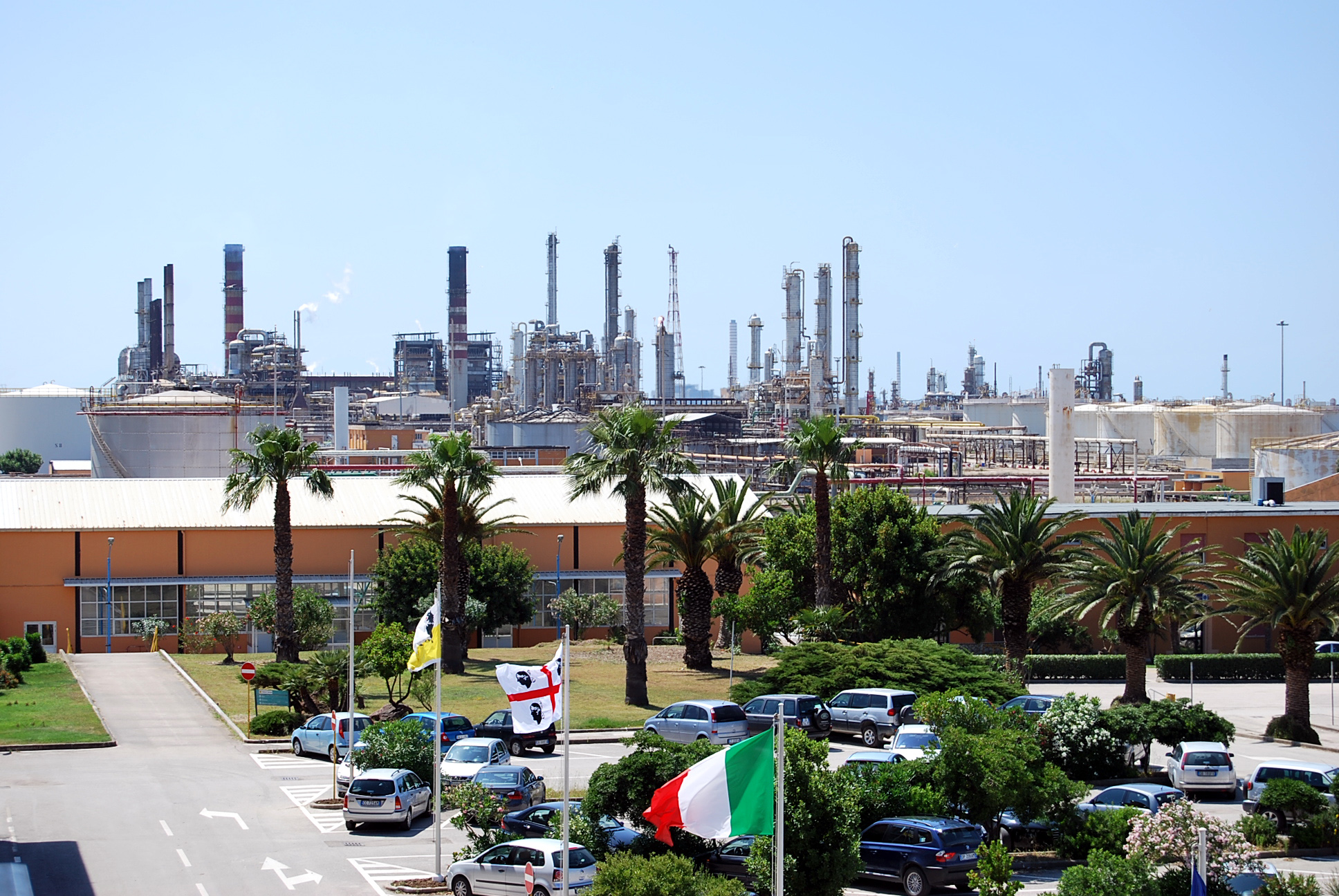
La bioeconomia in Italia offre già esempi virtuosi. Uno di questi è il progetto Novamont a Porto Torres, che prevede la riconversione dei siti industriali dismessi in bioraffinerie di terza generazione e si regge sull’integrazione tra agricoltura, chimica, industria e ricerca. In Sardegna, Matrìca, la joint-venture Novamont-Versalis, è impegnata nella costruzione di sette impianti entro il 2016 attraverso  fasi industriali per la produzione di intermedi chimici quali monomeri, additivi per lubrificanti, elastomeri e polimeri biodegradabili ottenuti da materie prime rinnovabili (oli vegetali e scarti agricoli) derivate da aridocolture autoctone a basso input (senza acqua irrigua, fertilizzanti e pesticidi) su terreni non utilizzabili per produrre alimenti. Un investimento complessivo di oltre 500 milioni di euro che, ripartendo dalla ricchezza delle risorse del territorio e dalla vocazione agricola locale, porterà lavoro e crescita in una delle Regioni italiane più gravemente toccate dalla crisi e dalla disoccupazione.

Qualunque sarà il prossimo governo che si insedierà nel 2013, è evidente che il tema dell’occupazione dovrà essere il primo, più urgente, punto della sua agenda politica.

Mario Bonaccorso

Evonik: the future of Chemical industry is eco-sustainable

“The chemical industry has the potential to play a key role in a sustainable economy. Already in this particular economic phase, the use of alternative feedstock in the chemical industry is gaining importance in light of increasing oil prices and finite fossil resources”. To say it, in this interview with Il Bioeconomista is Achim Marx, top manager of Evonik with the responsibility to follow the business of the Bioeconomy, together with his collegue Henrike Gebhardt, Senior Project manager for bioeconomy. To many people the name Evonik will bring to mind the main sponsor of Borussia Dortmund, the German football team that in its qualifying round of the Champions League has left behind great teams such as Real Madrid, Manchester City and Ajax. The company based in Essen is one of the world’s largest industrial chemical groups: 33 thousand employees around the world with a turnover of about 15 billion euro. His business is in specialty chemicals, real estate and energy.

Interview by Mario Bonaccorso

Evonik is one of the major chemical group in Europe that invests strongly in bioeconomy. What’s the role of biological resources for the sustainability of the chemical industry?

AM: In my opinion the chemical industry will remain primarily petrochemical-based until roughly 2030 to 2050, due primarily to the cost and limited availability of biomass. Nevertheless, using renewable raw materials such as sugar or plant waste reduces producers’ dependence on petrochemical feedstocks, thereby ensuring access to raw materials. Critical here is that biotech and chemical processes both be economical. Sustainability of a given biological process has to be verified as well. Evonik delivers high-performance products to its customers. An important performance attribute is sustainability, and the life cycle assessment characteristics for Evonik’s amino acids and bio-based polyamides are outstanding. Another important benefit to the customer is global supply security. Our customers highly value Evonik’s global amino acid supply network and long tradition of using industrial biotechnology for large-scale production of feed amino acids. The use of alternative feedstock in the chemical industry is gaining importance in light of increasing oil prices and finite fossil resources. Although our industry will remain predominantly petrochemical-based in the coming decades, there is enormous potential for increasing the use of bio-based feedstock—not only for producing specialty chemicals but also as the key building blocks of high-volume chemicals. The ability of all the actors to go the full innovation cycle – from research to market deployment – will be a key factor in determining success.

And for the future of a reality such as Evonik?

AM: Biotechnology is a future-oriented technology and, therefore, an integral part of Evonik’s growth strategy. Evonik has been active in the bioeconomy for decades. Our company’s portfolio comprises amino acids and derivatives, active pharmaceutical ingredients (APIs), (bio)catalysts/products for the production of biofuels and platform chemicals, bio-based polyamides, bio-based polyester polyols for coatings/adhesives, active cosmetic agents, emollients, etc.

How much does Evonik invest in biotech R&D as percentage of the total turnover? What’s your plan on bioeconomy for the next years?

HG: With biotechnology, Evonik continuously improves the Group’s existing products, develops new products, and designs more efficient and sustainable manufacturing processes. Last year Evonik spent €365 million on research and development therefore more than €30 million in biotech R&D. In our Science-to-Business Center Biotechnology at the Marl site, Germany, research in “white biotechnology” focuses on two aspects: developing sustainable production processes such as fermentation and biocatalysis, and synthesizing bio-based materials that possess superior properties or present a significant cost advantage. The Science-to-Business Center Biotechnology is divided into four competence areas: Synthetic Pathways, Bio-Product & Process Development, Portfolio Development, and Networks Industrial Biotechnology. Currently, the Center devotes its research to the development of high-performance plastics, as well as to the manufacture of ingredients for cosmetics, such as anti-aging products. Projects of the Science-to-Business Center Biotechnology have been financially supported by the state of Nordrhein-Westfalen and co-financed by the European Union.

Meanwhile, you have also presented a development plan in the field of Health and Nutrition, right?

AM: Yes, Evonik’s Health & Nutrition business unit is active in biotechnological research and development. The business unit’s strengths are in metabolic engineering and in developing fermentative and enzymatic production processes. The Process Technology & Engineering service unit provides Health & Nutrition with support for designing processes and building facilities and facility components. In addition, Health & Nutrition operates a global network of production facilities of varying size, scope and specialization. They allow us to make specialty products for the pharmaceutical industry as well as high-volume products for nutrition applications. In the Health & Nutrition Business Unit alone Evonik is hoping for sales of €1 billion over the medium term for products made using biotechnology.

Give us some examples…

HG: Evonik will be investing some €350 million by 2014 to expand its Biolys® business. An amino acid used in animal feeds, Biolys® is a source of L-lysine produced via fermentation. Investments include construction of new L-lysine plants in Brazil and Russia capable of producing nearly 200,000 metric tons each year as well as a recently finished production expansion to 280,000 metric tons per year at its Blair site in North America. The new facilities are in line with the health and nutrition megatrends. As the world’s population grows, so does the demand for meat, fish, dairy, and eggs. As a consequence, feed production is increasingly relying on amino acids to supplement feed. Biolys®,a biotechnology product made from renewable resources, is globally known as a highly effective source of L-lysine for animal feed, which helps sustainably reduce costs in feed production and animal breeding. It also benefits the environment: in a life-cycle analysis certified by TÜV Rhineland, Evonik documented that supplementing the protein supply in animal feed with Biolys® is a particularly environmentally sound concept for adequate, healthy animal nutrition.

As far as Evonik’s concerned, is the Bioeconomy, together with Green Economy, the right answer to the challenges of the third Millennium?

AM: Developing a “green economy” was one of the key topics at the Rio+20 Conference, and with good reason. I feel that both issues – sustainability and efficiency – are important concerns for bio-based chemicals and are in no way contradictory. A sustainable economy does indeed need to look at the possibility of increasing bio-based elements. The chemical industry has the potential to play a key role in a sustainable economy. Evonik specialty chemicals activities focus on high-growth megatrends. The megatrends resource efficiency, health and nutrition, and globalization are the translation of the future needs of a growing, ageing, and global population. The Bioeconomy will have a key role in supporting the development of innovative products and technical solutions to answer these challenges.

(the Italian version of this interview is published on affaritaliani.libero.it/green)