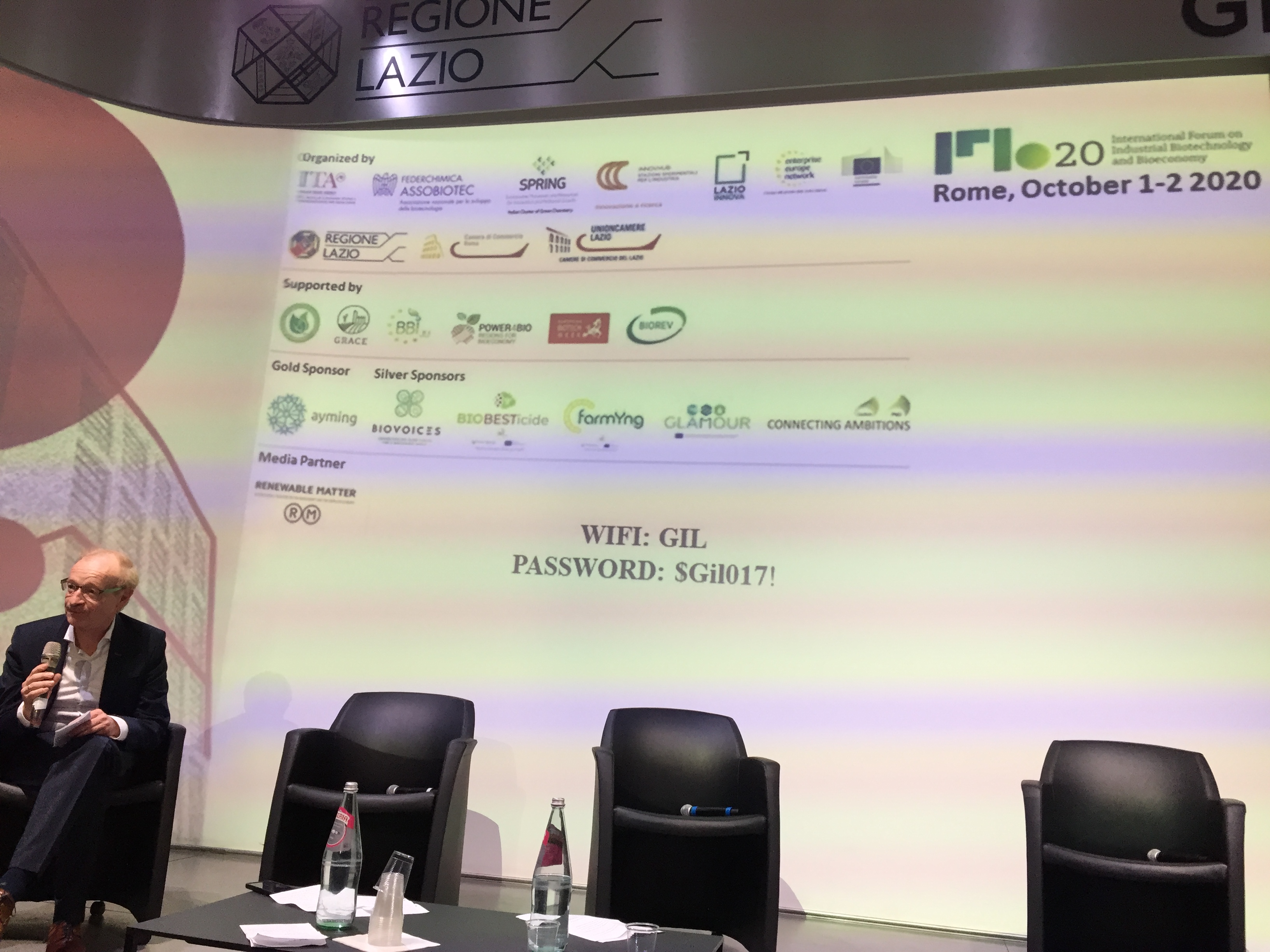
Michael Brandkamp, Head of ECBF at IFIB 2020 in Rome
The European Circular Bioeconomy Fund (ECBF) is oversubscribed with a total of approximately €300 million (targeted initially 250). With the final closing of the subscription, the international team of the ECBF was able to gain the trust of further investors for the implementation of its mission.
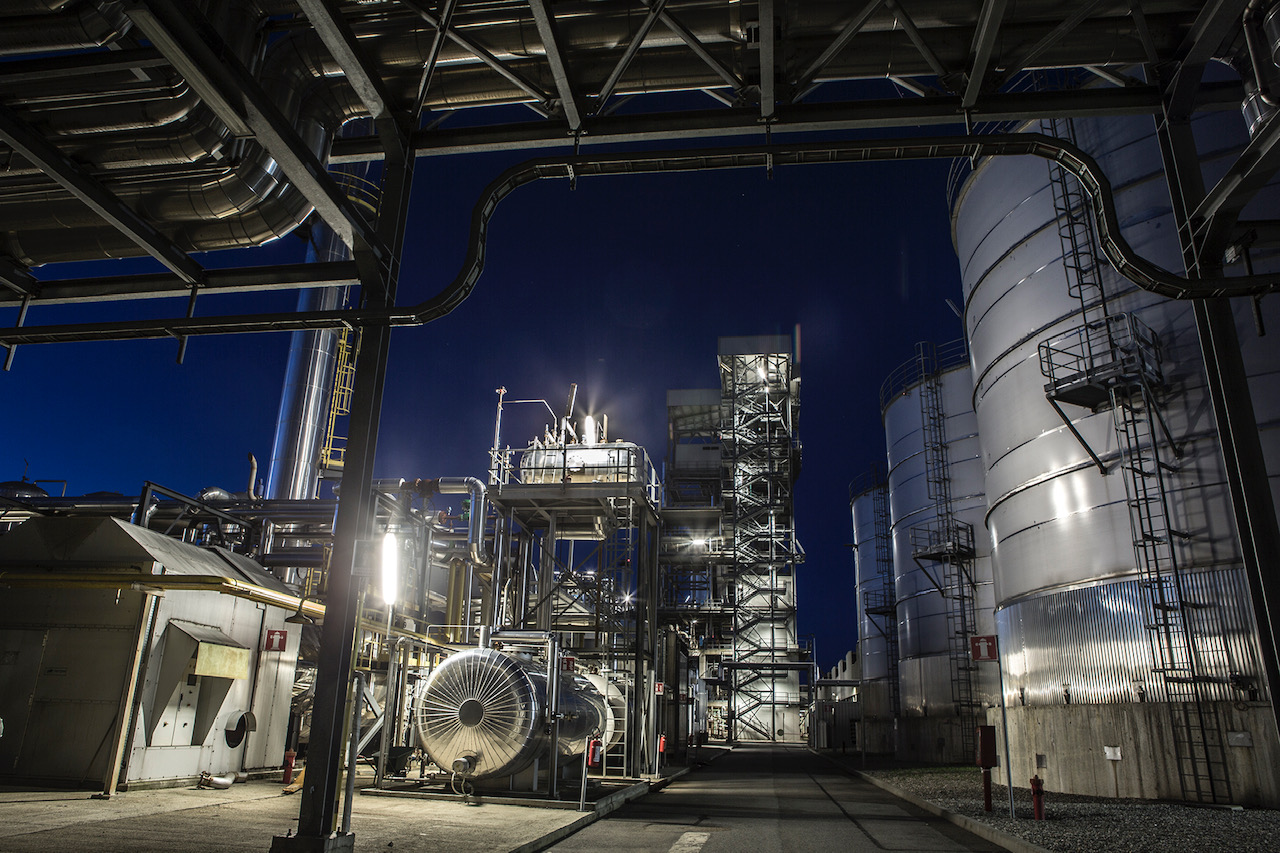
Versalis, Eni’s chemical company, has begun the production of bioethanol from lignocellulosic biomass at Crescentino (Vercelli, North-western Italy). The plant, which was acquired in 2018, has been overhauled thanks to major investments and has started the production of advanced bioethanol, in compliance with the European legislation for the development of renewable energy RED II, as it is derived from raw materials that do not interfere with the food chain.
“The science is very clear that it’s impossible to meet our climate targets without reducing animal agriculture. A study led by Oxford University found that – even if fossil fuel emissions were eliminated immediately – the world cannot meet its Paris Agreement targets without shifting away from conventional animal agriculture. Plant-based and cultivated meat let people keep eating the steaks, sausages and meatballs they love with a fraction of the environmental impact, and they free up space for more sustainable farming practices.” To say it – in this interview with IlBioeconomista – is Alex Holst, senior policy manager at the Good Food Institute Europe. He talks about the role of plant-based and cultivated meat in limiting our impact on climate change.
Marc Delcourt, co-founder and CEO of Global Bioenergies
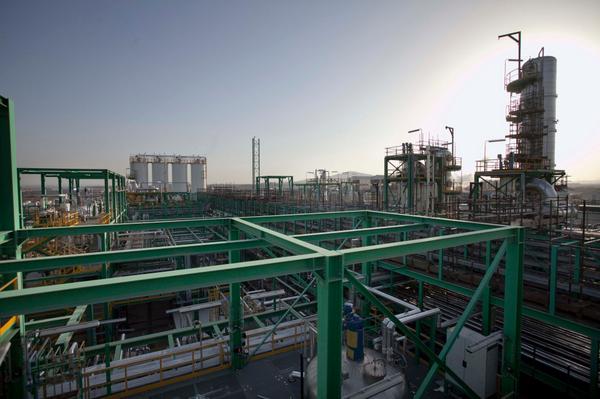
French company Global Bioenergies has developed a process for converting plant resources into isobutene, one of the main building blocks of chemistry, whose derivatives are used in cosmetics, fine chemicals, commodities and fuels. A production unit is currently under construction in Pomacle to serve high value-added markets.
German specialty chemicals company Lanxess, and Matrìca, Italian JV between Versalis (Eni) and Novamont, have partnered to produce sustainable biocide preservatives from renewable raw materials. The Matrìca plant at Porto Torres (Sardinia) will supply Lanxess with bio-based raw materials from vegetable oils, which Lanxess will use to manufacture a new series of industrial preservatives broadening its Preventol range.
Chris Patermann at the first edition of the Bioeconomy Investment Summit, Brussels, 9-10 November 2015
Chris Patermann is considered as the father of the European bioeconomy and is still a central figure in the world bioeconomy community. In this exclusive interview with IlBioeconomista, he talks – 10 years after the first Bioeconomy strategy launched by the European Commission – about the new challenges we are facing to make the new economy based on biological resources happen.
Headquarter of Royal DSM in Heerlen (The Netherlands)
DSM, a global purpose-led science-based company, completed its acquisition of Vestkorn Milling for an enterprise value of €65 million. This acquisition of one of Europe’s leading producers of pea- and bean-derived ingredients for plant-based protein products was first announced on 29 November 2021.
Anellotech and South Hampton Resources, Inc., a subsidiary of Trecora Resources, renewed their agreement for SHR to serve as site host and provide operations services for Anellotech’s TCat-8TM process development pilot plant, which is located inside of SHR’s Silsbee, Texas production plant. SHR owns and operates a 128-acre specialty petrochemicals facility at the Silsbee site, specializing in high purity hydrocarbons. The company originally began its site hosting relationship with Anellotech in 2016 with Anellotech’s development of its Bio-TCat process for producing petrochemicals from wood. The original services agreement between Anellotech and SHR allowed Anellotech to install and then operate the TCat-8 unit inside the SHR plant.
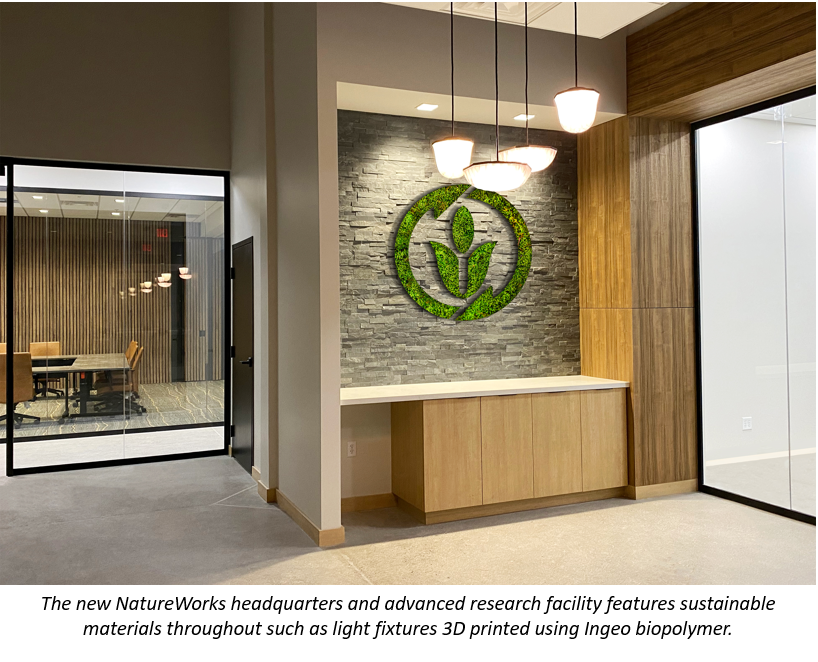
In response to rapid growth in the market for sustainable biomaterials, NatureWorks is going to open a new headquarters and advanced biopolymer research facility in Plymouth, Minnesota. Expanded laboratory capabilities will support research into the full circular lifecyle of Ingeo biopolymers from next generation fermentation technology to new applications, to increased functionality.
British biotechnology company Ingenza has concluded its recent six-month project with Johnson Matthey, a speciality chemicals and sustainable technologies supplier. Together, the companies have developed new, efficient approaches for the production of industrially-relevant enzymes – including cytochrome P450 – through judicious selection of suitable microbial hosts.





 IL BIOECONOMISTA