PoliKompleks invests 30 million euros to construct a bioplastics plant in Russia

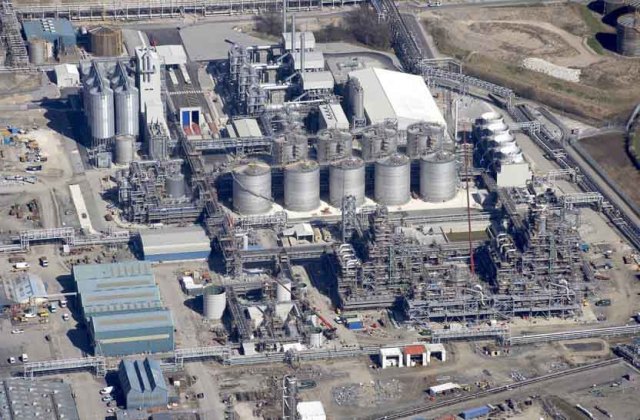
moscowPoliKompleks, a Russian industrial biotechnology company, plans to invest around 1,2 billion rubles, 30 million euros, to construct a bioplastics production complex in Russia’s far western enclave of Kaliningrad. To say it is Nikolai Tsukanov, governor of the Kaliningrad Region.

PoliKompleks has reached agreement to establish plants for products based on lactic acid and polylactides (PLA) for the manufacture of some 50,000 tpa of biocomposites. The complex will also have a biodegradable de-icing reagents plant with a capacity of around 12,000 tpa. The Russian company expected to reach an annual turnover of 1,4 billion rubles, approximately 34 million euros.

Continue reading

US and Israel collaborate on advanced biofuels development

biofuels roadshow USMore than a dozen of Israel’s top academic and industrial biofuels research scientists and innovators are in Washington to begin a week-long dialogue with their American counterparts at the U.S. Departments of Energy and Agriculture, and the Navy, FAA and the private sector. They will be meeting with White House officials and with top government energy program managers and scientists in Washington, DC and at DOE labs in Oak Ridge Tennessee and in California. The scientific exchange, April 17th – 25th, has been designed to help build U.S.-Israel collaboration mechanisms for research and innovation to produce alternative fuels (“advanced biofuels”) that can substitute for petroleum-based gasoline, diesel oil and aviation fuel currently produced from imported oil.

Continue reading

Chatham House: UK biofuel policy may need to be modified

biodieselUK biofuel policy may need to be modified. To say it is a report published by Chatham House, a british think tank focused on “Costs and Consequences of Expanding Biofuel Use in the United Kingdom”. According to Rob Bailey, author of the report, “in its present form the RTFO (Renewable Transport Fuel Obligation, editor’s note) may not be an appropriate instrument for achieving the RED (Renewable Energy Directive, editor’s note) target economically. Its volumetric target incentivizes suppliers to minimize cost per litre by supplying ethanol, thereby also minimizing the amount of energy supplied by biofuels. This runs counter to the objective of the RED to increase the share of energy from biofuels.

Continue reading

Un governo che guarda al futuro. Puntando sulla bioeconomia

palazzo chigiRiuscirà l’Italia ad avere un governo? La missione sembra impossibile. Prima delle elezioni, paventando quanto poi si è avverato, ovvero l’ingovernabilità del paese, abbiamo anche espresso il sogno di avere come ministro dello Sviluppo economico, Catia Bastioli, Ceo di Novamont. Subito dopo la stessa Bastioli è stata inserita da Michele Santoro (questo ovviamente ci fa piacere) in un suo ipotetico governo di alto profilo. Il ministero che Santoro ha assegnato a Bastioli è quello dell’Ambiente. Il che fa emergere bene come la nostra visione dell’ambiente e della bioeconomia sia di traino dello sviluppo economico ma anche sociale del paese. Nel giochino del nuovo possibile governo si stanno cimentando un po’ tutti gli organi d’informazione.

Proviamo così anche noi de Il Bioeconomista a proporre un governo di alto profilo per il paese, che abbia nella propria agenda politica tra le priorità lo sviluppo della bioeconomia e dell’occupazione.
Continue reading

Bioplastics: the Italian holistic approach to bioeconomy

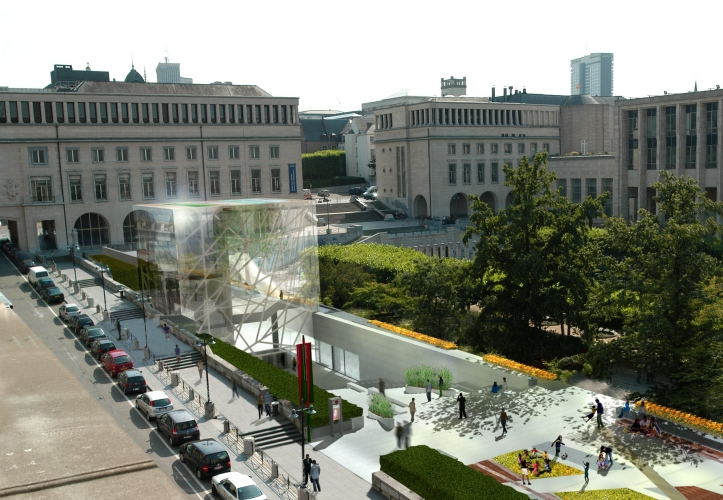
EU ParliamentBrussels spoke Italian last Wednesday. On the eve of the official presentation of the “Green paper on plastic waste” by the European Commissioner for the Environment Janez Potočnik, Kyoto Club presented on 6 March the European Parliament with “Bioplastics: A case study of Bioeconomy in Italy. A smart chemistry for a smarter life in a smarter planet”, a book – edited by Walter Ganapini – on the Italian experience of regulating the distribution of disposable plastic bags, in order to reduce environmental pollution.

The book presents the “Italian case” of bioeconomy, whose roots lie in the evolution of research and innovation in the biodegradable bioplastics sector on the one hand, and the virtuous development of the quality compost industry and separated municipal waste collection on the other. The connections between these two developments over the years have set in motion a whole series of virtuous modes of action and collaboration initiatives between various stakeholders (enterprises, institutions, research bodies, trade associations, consultancy companies and regional authorities) generating a connective tissue that is ideal to promote a change in the development model, putting the efficient use of resources at the centre.

Continue reading

Waiting for the elections, dreaming Bastioli as the next Minister of Economic Development

Ministero dello Sviluppo economicoIt’s not just because she shows great vision and strategic economic sense (read the interview with our journal in this regard). It’s not just because she knows how to reconcile economic growth, creation of new skilled jobs and environmental sustainability. It’s certainly not just because she is a woman in a country, Italy, where women find thousand obstacles to occupy top positions in the economy, academia and politics. It’s not only for these reasons but for sure these are enough to dream Catia Bastioli, the current Ceo of Novamont and chairwoman of the Kyoto Club Italy, as the next Italian Minister of Economic Development.

Continue reading

Geoghegan-Quinn da Dublino: ”Voglio una Europa alla guida non al seguito nella bioeconomia”

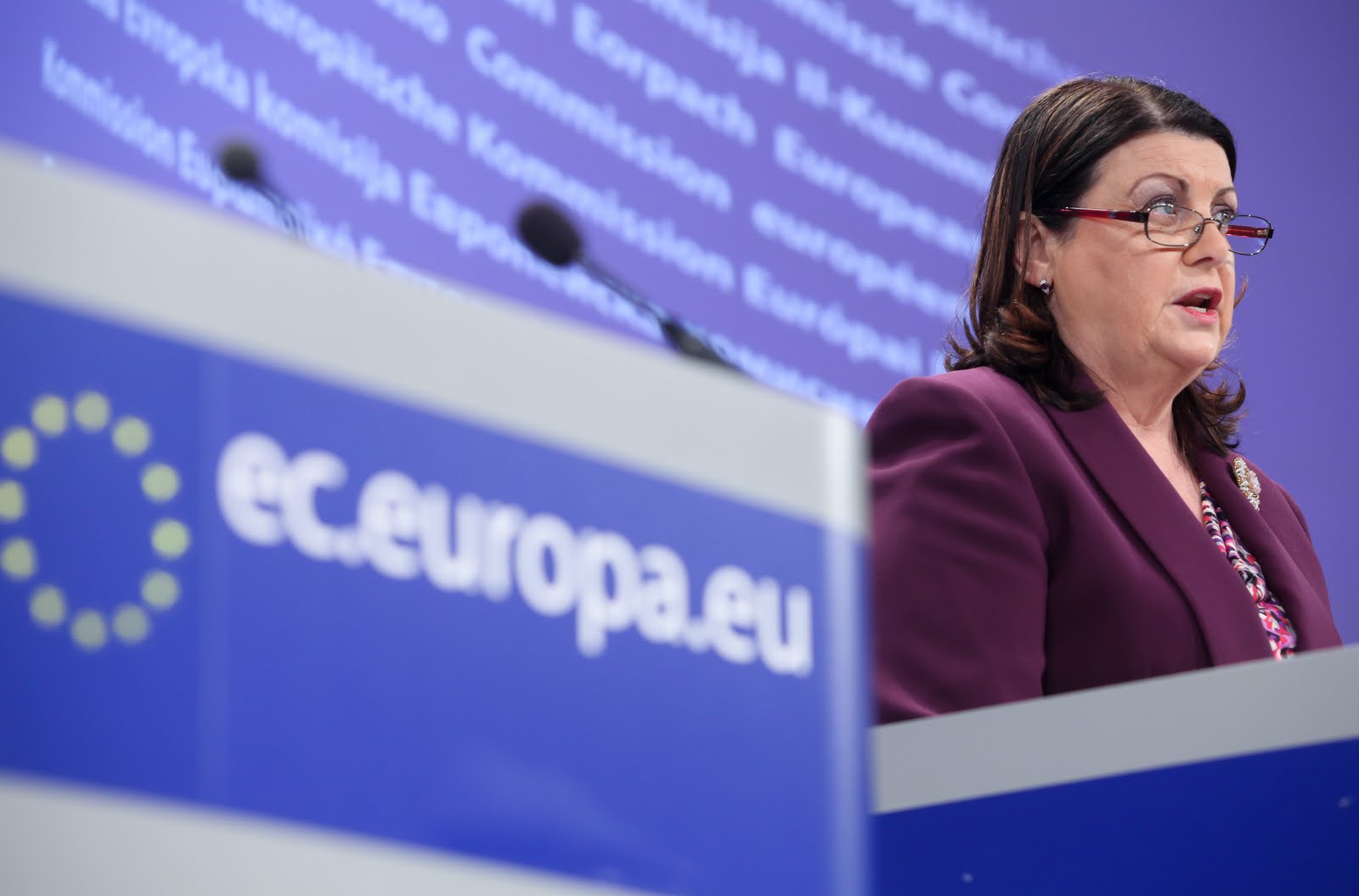
geoghegan-quinn.jpg“Voglio una Europa alla guida e non al seguito nella bioeconomia”. Questo il messaggio che lancia da Dublino Màire Geoghegan-Quinn, la commissaria europea alla Ricerca, all’Innovazione e alla Scienza. In veste di padrona di casa nella sua Irlanda, Geoghegan-Quinn ha voluto sottolineare l’impegno della Commissione Barroso a sostenere in ogni ambito la realizzazione della bioeconomia, definita tout court “l’economia del ventunesimo secolo”, supportando l’implementazione di strategie a livello regionale e nazionale in tutto il Continente, ma soprattutto impegnandosi per un coordinamento e una maggiore coerenza delle politiche europee. In questo senso la conferenza sulla Bioeconomia di Dublino ha offerto l’occasione per lanciare l’Osservatorio sulla Bioeconomia, a cui verrà affidato il compito di monitorare quanto viene realizzato nei singoli paesi, oltre che di raccogliere dati sull’evoluzione dei diversi mercati di riferimento.

 
Continue reading

A Dublino si discute il futuro della Bioeconomia in Europa

parlamento irlandeseÈ tutto pronto a Dublino per il via alla Conferenza degli stakeholders europei della bioeconomia (Bioeconomy in the EU: achievements and directions for the future – potete seguirla in diretta su Twitter @bioeconomista). Nella splendida cornice offerta dal castello che domina la capitale d’Irlanda, Istituzioni, imprese e centri di ricerca provenienti da ogni angolo del Vecchio Continente si confronteranno giovedì 14 e venerdì 15 febbraio sui prossimi passi da realizzare per mettere in atto la strategia per la bioeconomia lanciata lo scorso anno dalla Commissione europea.

Proprio a Dublino si festeggerà il primo anniversario della strategia, di cui principale protagonista è la commissaria alla Ricerca, Innovazione e Scienza,  Máire Geoghegan-Quinn, chiamata a fare da padrona di casa in coincidenza con la Presidenza irlandese dell’Unione europea.

Continue reading

Nasce il gruppo europeo dei leader dei carburanti sostenibili

canna da zucchero

Gli amministratori delegati di sette grandi aziende, tra produttori europei di biocarburanti e linee aeree, hanno lanciato oggi a Bruxelles una nuova iniziativa industriale per accelerare lo sviluppo in Europa dei biocarburanti sostenibili.

Continue reading

David Cameron pushes green energy

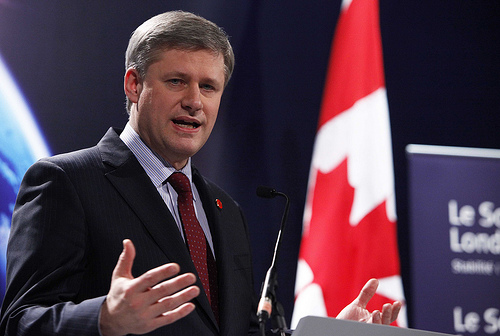
david cameronThis is part of the text of David Cameron (UK’s Prime Minister)’s speech at the launch of DECC (Department of Energy and Climate Change)’s energy efficiency mission

I want to tell you why I believe energy efficiency is so important. Yes of course it is a vital part of how we cut carbon emissions and continue to meet the ambitious targets set out in the Climate Change Act, which will allow us to meet growing energy demand in a way that protects the environment for our children, grandchildren and generations to come. Of course that is important, but my argument today is not just about doing what is right for our planet, but doing what is right for our economy too.

Continue reading