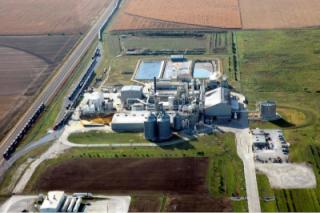
Abengoa starts operations at the plant that uses waste-to-biofuel technology

abengoa-york.jpgAbengoa, the Spanish sustainable technologies company, has started operations at the demonstration plant that uses waste-to-biofuels (W2B) technology. The plant has a capacity to treat 25,000 tons of municipal solid waste (MSW), from which up to 1.5 million liters of bioethanol will be produced for use as fuel.

The demonstration plant in Babilafuente (Salamanca, Spain) uses W2B technology developed by Abengoa (7,089 million euros sales in 2012 and 90.6 million euros/year of investment in R&D) to produce second generation biofuels from MSW using a fermentation treatment and enzymatic hydrolysis. During the transformation process, the organic matter is subjected to various treatments to produce organic fiber that is rich in cellulose and hemicellulose, which can subsequently be converted into bio-ethanol.
Continue reading

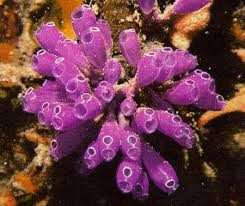
Marine animal tunicates as a renewable source of biofuel

tunicatesA group of researchers at the University of Bergen (UiB) and Uni Research (Norway) – engaged in research and development in the fields of marine biology, the environment, climate, petroleum, culture and the social sciences – have found that a certain type of tunicate – ascidiacea – can be used as a renewable source of biofuel and fish food. This is particularly good news for the growing aquaculture industry, which for years has struggled to find enough quality feed for its fish. There also is the prospect of reducing emissions from traffic.

It is the cellulose, the protein, and the Omega-3 fatty acids in the ascidiacea that is the cause for its many uses. Its mantle consists of cellulose, which is a collection of sugars. When cellulose is cleaved, one can obtain ethanol. And ethanol can be used for biofuel in cars. The animal’s body consists of large amounts of protein and Omega-3. This can be used for fish feed, says professor Eric Thompson at UiB’s Department of Biology.

Continue reading

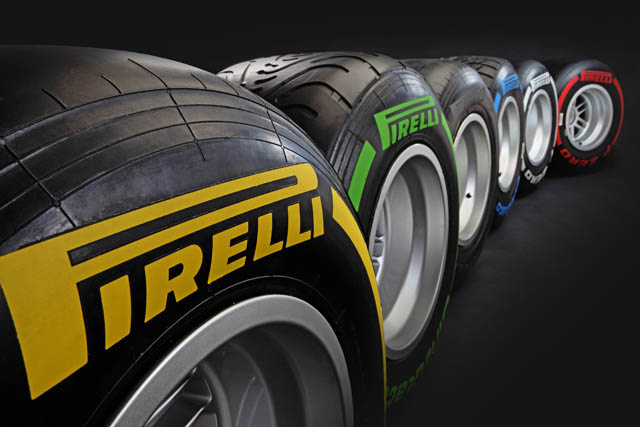
Guayule-based natural rubber materials for Pirelli’s tire production

pirelliVersalis (Eni) and Pirelli have entered into a Memorandum of Understanding (MoU) to kick off a joint research project for the use of guayule-based natural rubber in tire production.

The research project will run over a period of three years. On an exclusivity basis, Versalis will provide an innovative range of guayule-based natural rubber materials, while Pirelli will carry out trial tests to validate the performance of the materials for tire production.

As soon as new industrial quantities become available, Versalis will supply Pirelli with guayule-based natural rubber to complement the current set of synthetic rubber that Versalis is already supplying to Pirelli for the production of conventional tires.


Continue reading

KLM: first flight on biofuels to New York City

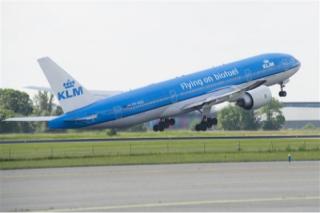
klm-biofuel-flight.jpgAfter a series of flights between Schiphol and Paris, Dutch airlines KLM operated its first transatlantic flight on used cooking oil to New York City. The company announced late last week that Thursday’s Flight KL642 flight from John F. Kennedy Airport to Schiphol was made using biofuel, and confirmed the weekly flight will now continue to use the biofuel. The flight between Amsterdam and New York is scheduled to fly every Thursday in the coming 25 weeks.

The Dutch company began to test flights using biofuels in 2009. KLM started with 200 flights between Amsterdam and Paris. Last year, KLM operated its first intercontinental flight on used cooking oil to Rio de Janeiro. On 23 November 2009, KLM operated the world’s first demonstration flight with passengers on board using biofuel. On this flight, one engine ran on a mix of 50% biofuel made from camelina (huttentut). On 29 June 2011, this was followed by the first commercial flight on biokerosene from Amsterdam to Paris with 171 passengers on board. The biokerosene used on this flight was made from recycled cooking oil supplied by SkyNRG. In September a series of flights were operated on this route. With these flights KLM is demonstrating more sustainable operations really are possible.

Continue reading

Bioplastics: the Italian holistic approach to bioeconomy

EU ParliamentBrussels spoke Italian last Wednesday. On the eve of the official presentation of the “Green paper on plastic waste” by the European Commissioner for the Environment Janez Potočnik, Kyoto Club presented on 6 March the European Parliament with “Bioplastics: A case study of Bioeconomy in Italy. A smart chemistry for a smarter life in a smarter planet”, a book – edited by Walter Ganapini – on the Italian experience of regulating the distribution of disposable plastic bags, in order to reduce environmental pollution.

The book presents the “Italian case” of bioeconomy, whose roots lie in the evolution of research and innovation in the biodegradable bioplastics sector on the one hand, and the virtuous development of the quality compost industry and separated municipal waste collection on the other. The connections between these two developments over the years have set in motion a whole series of virtuous modes of action and collaboration initiatives between various stakeholders (enterprises, institutions, research bodies, trade associations, consultancy companies and regional authorities) generating a connective tissue that is ideal to promote a change in the development model, putting the efficient use of resources at the centre.

Continue reading

È il giorno della bioeconomia italiana a Bruxelles

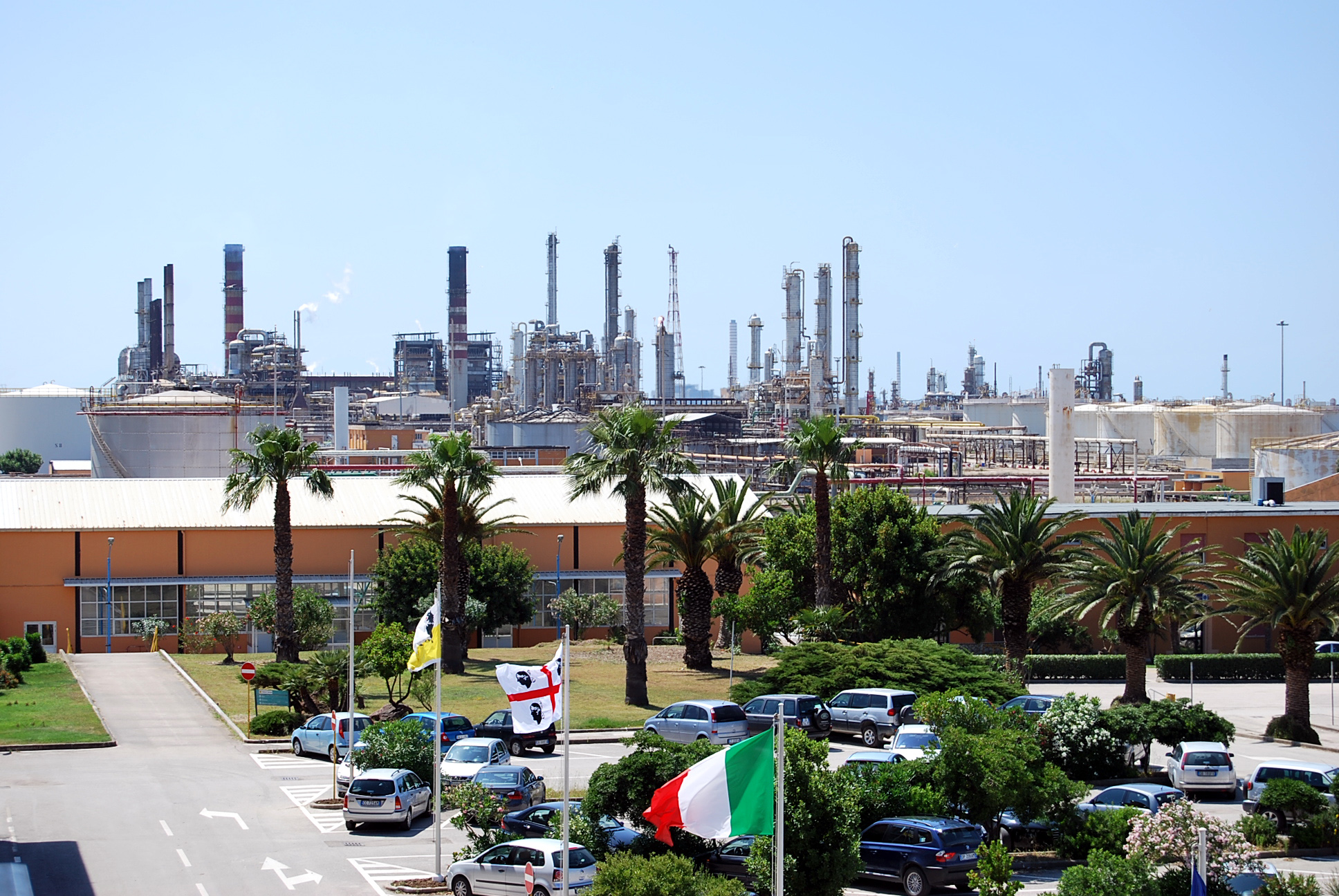
porto torres bioraffineria matrìcaÈ il giorno della bioeconomia italiana a Bruxelles. Nella sede del Parlamento europeo si terrà oggi il convegno “BioPlastics: A case study of Bioeconomy in Italy in the light of Horizon 2020”, promosso dal Kyoto club con il patrocinio del nostro ministero dell’Ambiente.

Obiettivo: illustrare come l’Italia stia delineando una strategia capace di dare un nuovo impulso al potenziale di innovazione del paese e di sviluppare il settore della bioeconomia.

L’adozione di misure ”market pull” che incentivano la produzione e l’utilizzo di prodotti biodegradabili da materie prime rinnovabili ha dato vita ad importanti investimenti in tecnologie innovative e bioraffinerie (come quella di Porto Torres gestita da Matrìca, la joint venture tra Versalis-Eni e Novamont attiva nel campo della chimica verde, nella foto) e sta generando ricadute positive per l’intera società in termini di riduzione dei rifiuti e di introduzione di criteri di sostenibilità nelle scelte di consumo dei cittadini. Attraverso la presentazione dell’esempio italiano, la conferenza intende dimostrare che l’efficienza delle risorse non rappresenta soltanto un’esigenza strategica per l’Europa, ma anche una vera e propria opportunità dal punto di vista economico, capace di rilanciare la crescita in aree affette da profonda crisi.

Continue reading

Bioplastics made from algae: Cereplast incorporates Algaeplast

cereplastNew transaction in the field of bioplastics. Cereplast, a leading US manufacturer of proprietary biobased, compostable and sustainable bioplastics, that since 1996 has the exclusive North American distribution rights to Novamont’s Mater-Bi resins, has announced the incorporation of a new wholly owned subsidiary, Algaeplast, Inc.

Algaeplast’ s focus will be the development and manufacture of algae-based bioplastics. Cereplast has been a pioneer in algae-based plastics, helping to bring the first products made from Cereplast Algae Bioplastics grades to market in 2011, and with the recent commercialization of Biopropylene 109D in December of 2012.

Cereplast introduced the concept in late 2009, with a target of reaching a bioplastic made from 50% algae bio-content. Algaeplast’s ultimate goal is to bring to market new polymers made from 100% algae content. Recently, the Company commercialized small quantities of Biopropylene 109D, a compound with 20% post-industrial algae biomatter. The research and development team is currently developing a grade with a higher percentage of algae bio-content. Based on customer interest, the company has determined that the demand for bioplastics made from algae is significant, and therefore has created Algaeplast, which will focus on this new sector. Algaeplast has been created to develop a new monomer and polymers made from algae.

Continue reading

Exclusive interview with Catia Bastioli, Ceo of Novamont: “The Bioeconomy needs to start from local areas”

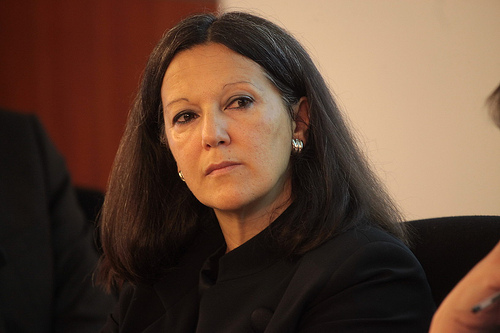
catia bastioli novamont“The Bioeconomy needs to start from local areas and act in synergy with ecosystems and biodiversity. In this respect the Italian case is a cutting edge demonstrative example ”. To say it is Catia Bastioli, Ceo of Novamont, the company of Novara, in Italy, world leader in the field of biodegradable products, thanks to the use of plant materials and renewable energy sources with low environmental impact. In this long exclusive interview, the entrepreneur of Umbrian origin, who, among other things, awarded the “2007 European Inventor of the year Award” for her patents for Mater-Bi the bioplastics commercialized by Novamont, talks about bioeconomy and green economy, the emerging cluster of green chemistry, but above all she gives us a vision and a strategy. “We need – tells us Bastioli – to encourage the creation of a bioeconomy not based on subsidies but based on cutting edge applications which respect stringent standards and which can contribute to lower pressure on the planet limited resources”.

Interview by Mario Bonaccorso

Continue reading

Geoghegan-Quinn da Dublino: ”Voglio una Europa alla guida non al seguito nella bioeconomia”

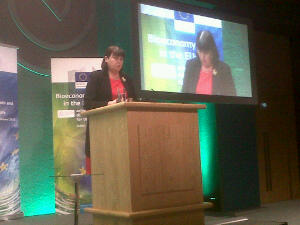
geoghegan-quinn.jpg“Voglio una Europa alla guida e non al seguito nella bioeconomia”. Questo il messaggio che lancia da Dublino Màire Geoghegan-Quinn, la commissaria europea alla Ricerca, all’Innovazione e alla Scienza. In veste di padrona di casa nella sua Irlanda, Geoghegan-Quinn ha voluto sottolineare l’impegno della Commissione Barroso a sostenere in ogni ambito la realizzazione della bioeconomia, definita tout court “l’economia del ventunesimo secolo”, supportando l’implementazione di strategie a livello regionale e nazionale in tutto il Continente, ma soprattutto impegnandosi per un coordinamento e una maggiore coerenza delle politiche europee. In questo senso la conferenza sulla Bioeconomia di Dublino ha offerto l’occasione per lanciare l’Osservatorio sulla Bioeconomia, a cui verrà affidato il compito di monitorare quanto viene realizzato nei singoli paesi, oltre che di raccogliere dati sull’evoluzione dei diversi mercati di riferimento.

 
Continue reading

A Dublino si discute il futuro della Bioeconomia in Europa

parlamento irlandeseÈ tutto pronto a Dublino per il via alla Conferenza degli stakeholders europei della bioeconomia (Bioeconomy in the EU: achievements and directions for the future – potete seguirla in diretta su Twitter @bioeconomista). Nella splendida cornice offerta dal castello che domina la capitale d’Irlanda, Istituzioni, imprese e centri di ricerca provenienti da ogni angolo del Vecchio Continente si confronteranno giovedì 14 e venerdì 15 febbraio sui prossimi passi da realizzare per mettere in atto la strategia per la bioeconomia lanciata lo scorso anno dalla Commissione europea.

Proprio a Dublino si festeggerà il primo anniversario della strategia, di cui principale protagonista è la commissaria alla Ricerca, Innovazione e Scienza,  Máire Geoghegan-Quinn, chiamata a fare da padrona di casa in coincidenza con la Presidenza irlandese dell’Unione europea.

Continue reading